Dortmund - Zeche Zollern
Dortmund - Zeche Zollern
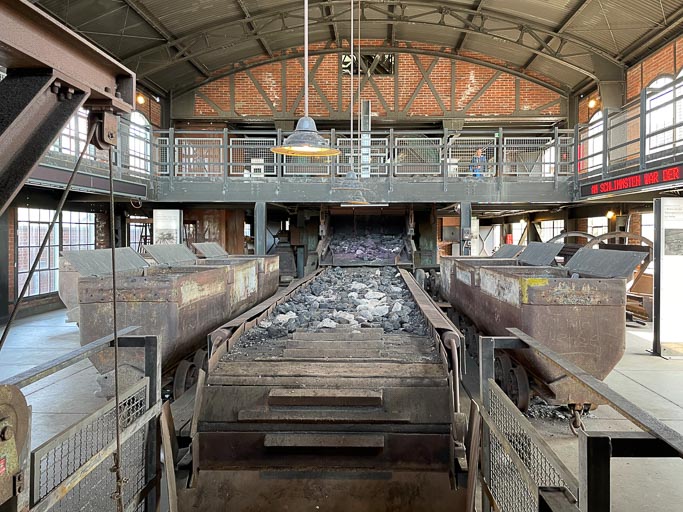
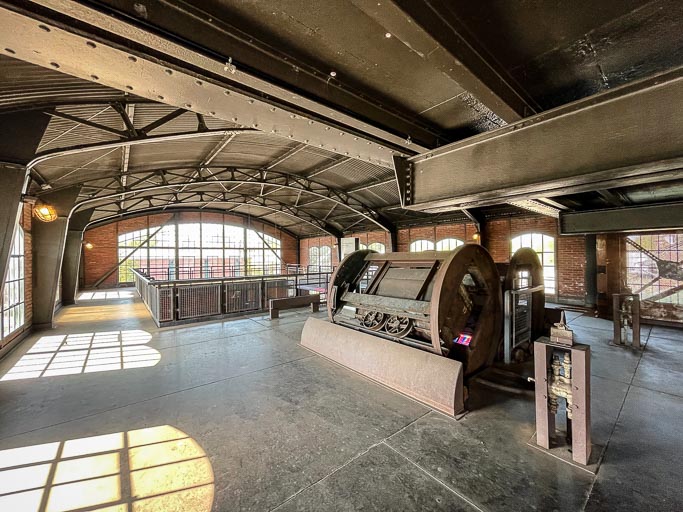
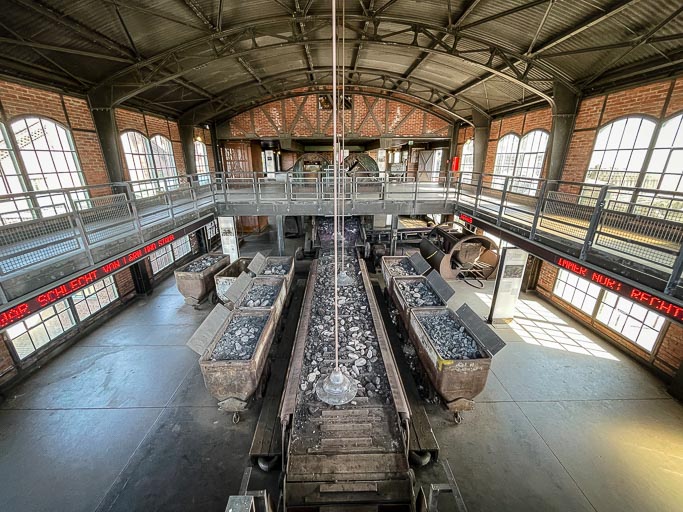
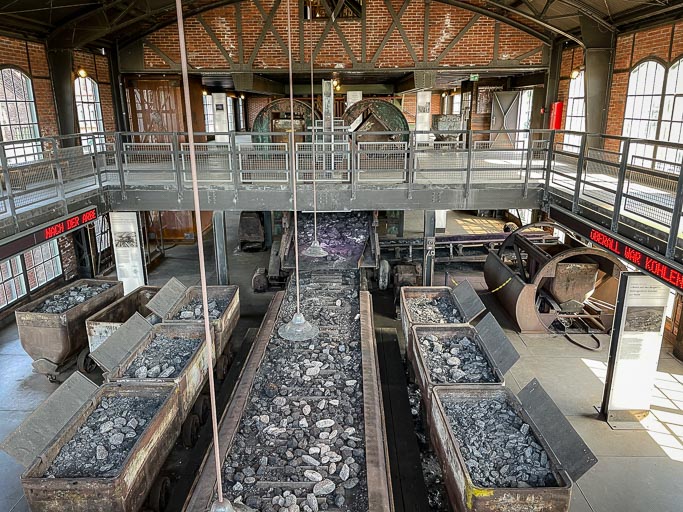
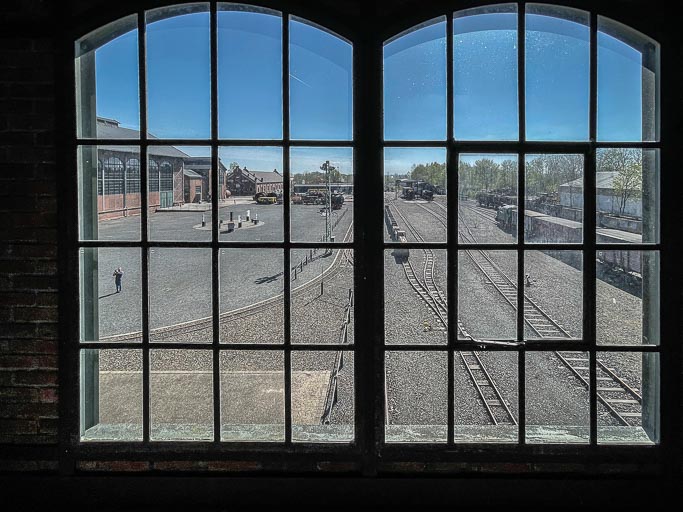
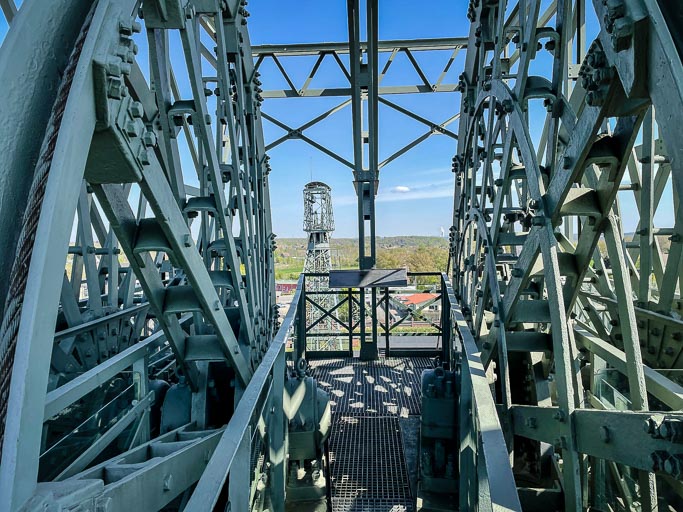
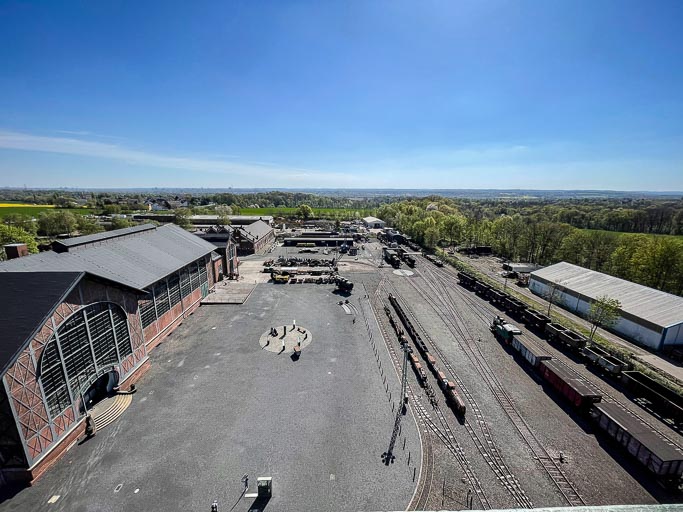
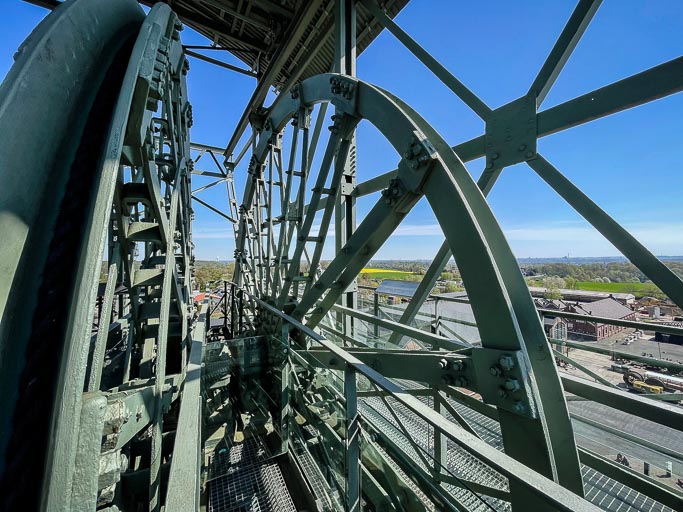
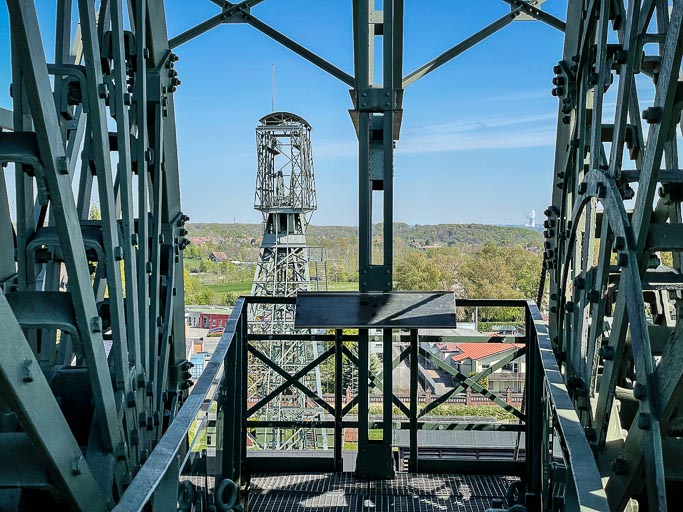
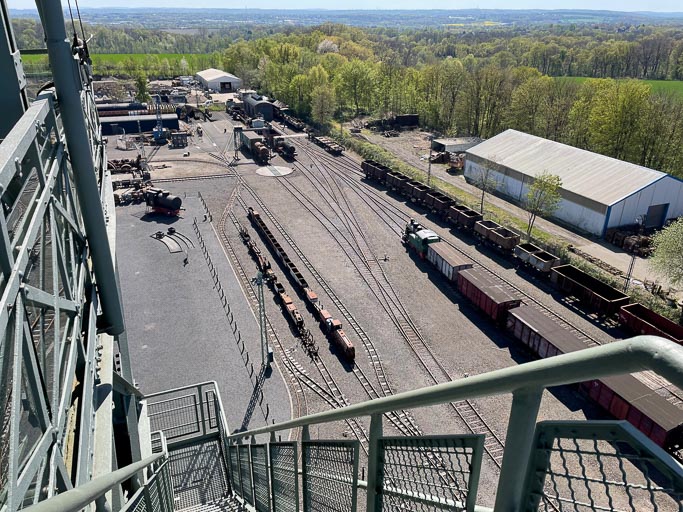
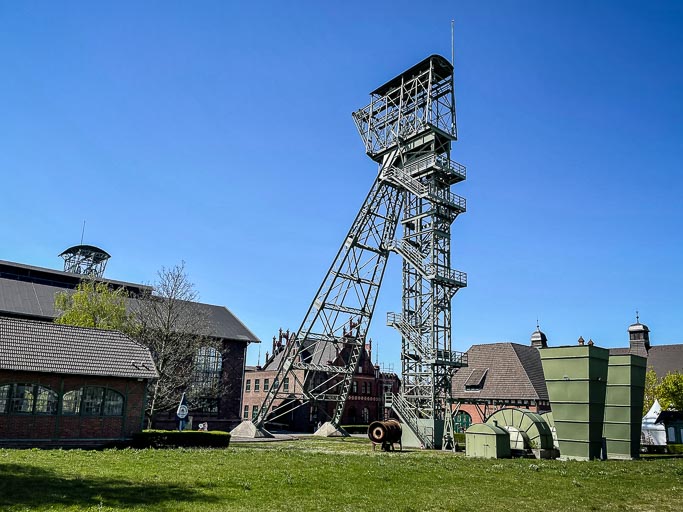
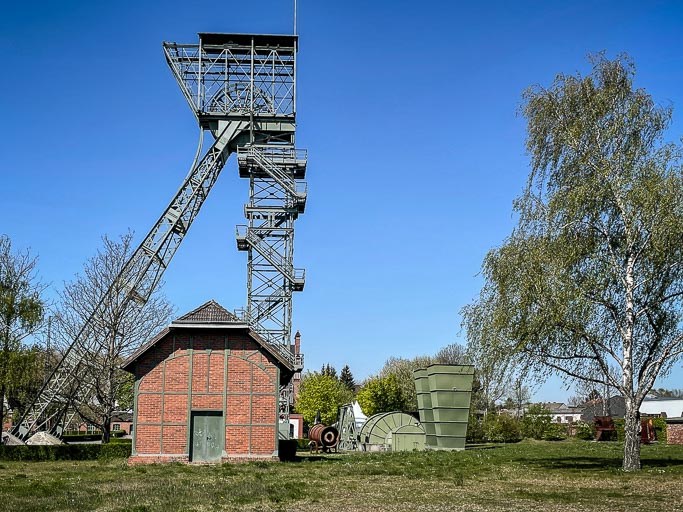
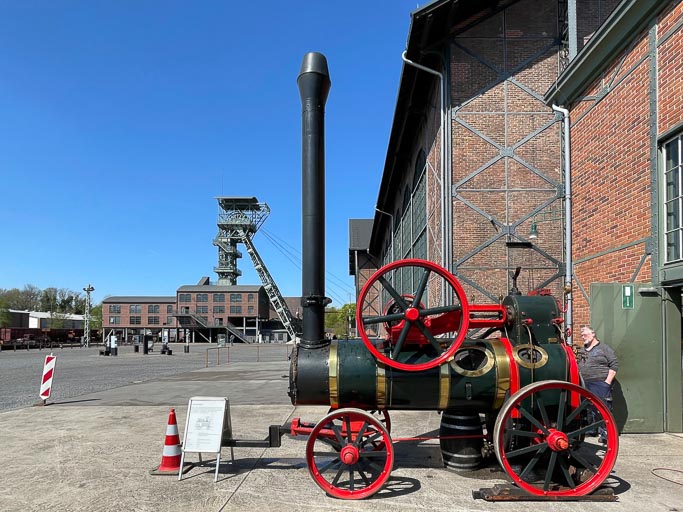
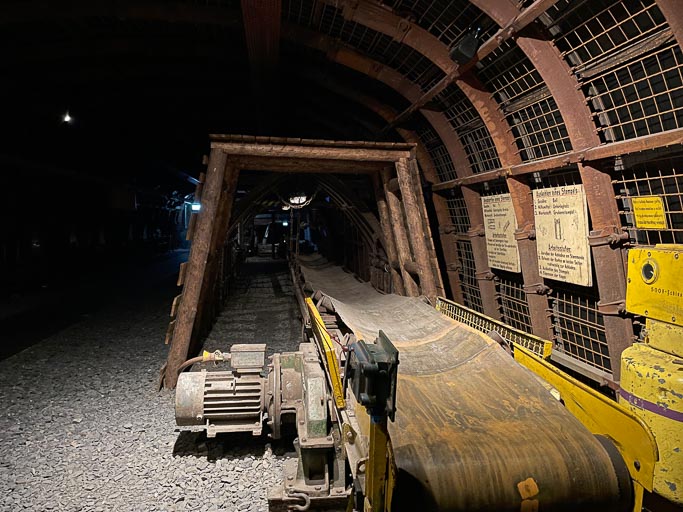
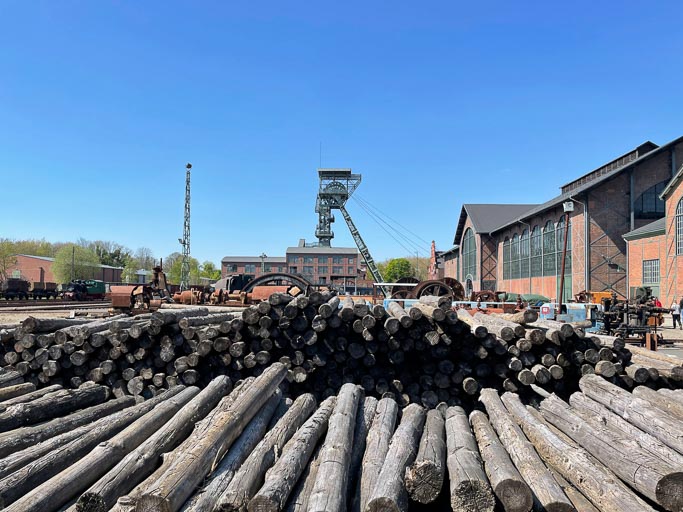
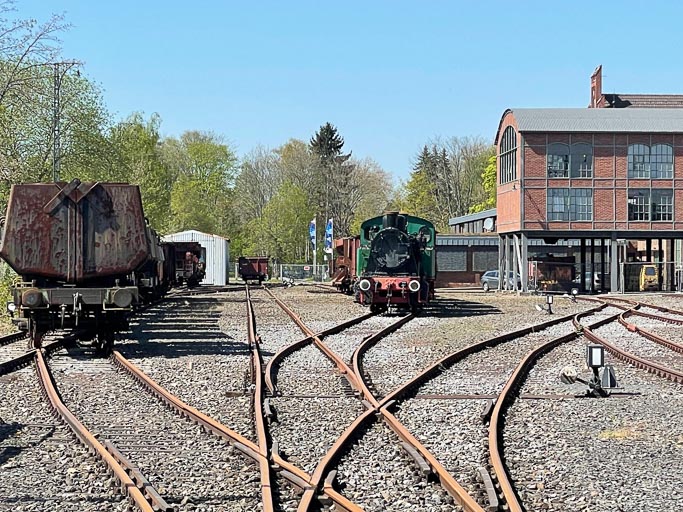
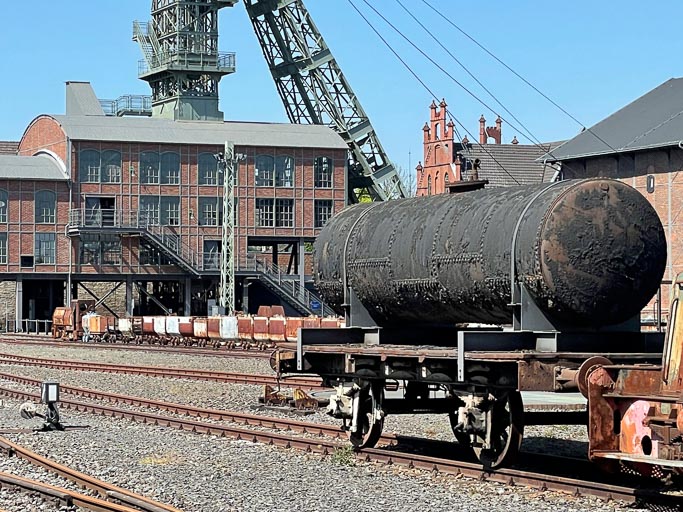
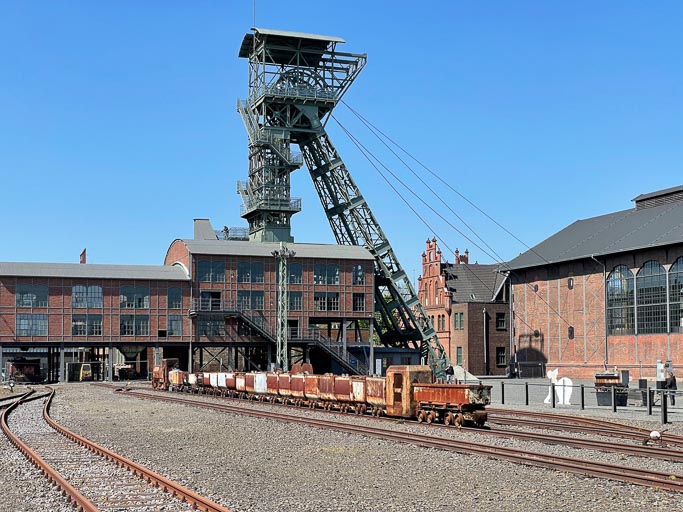
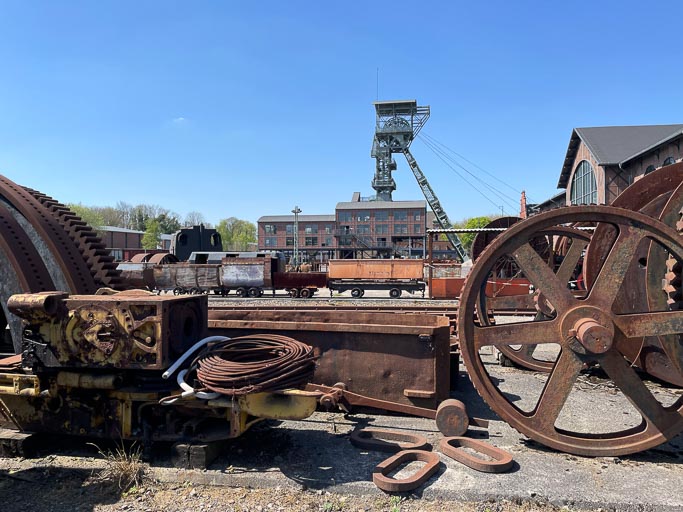
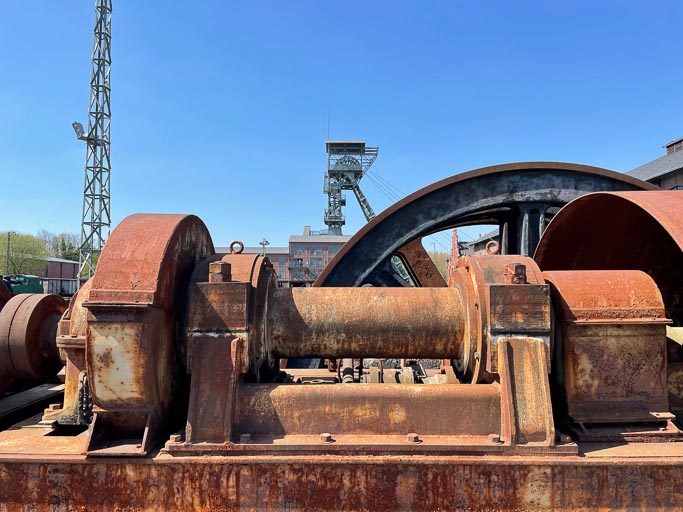
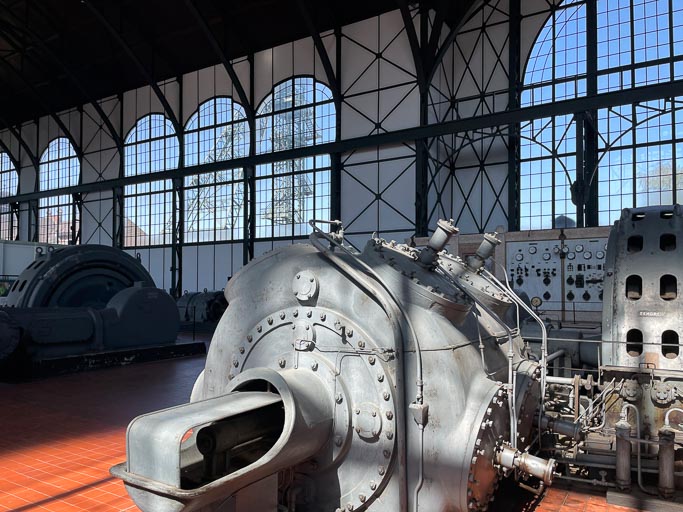
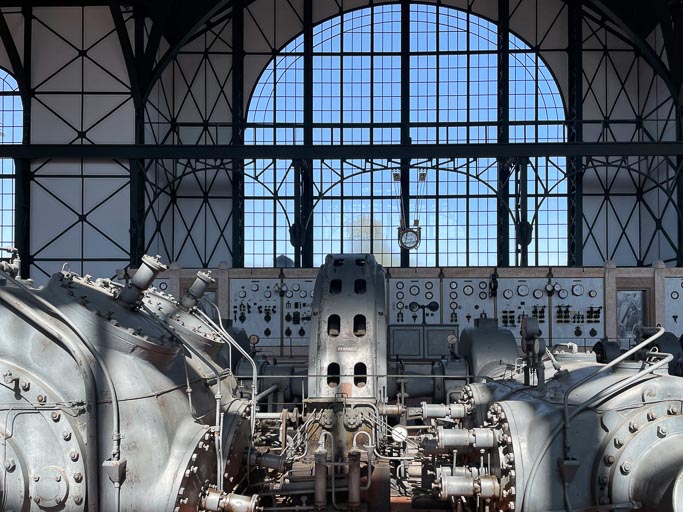
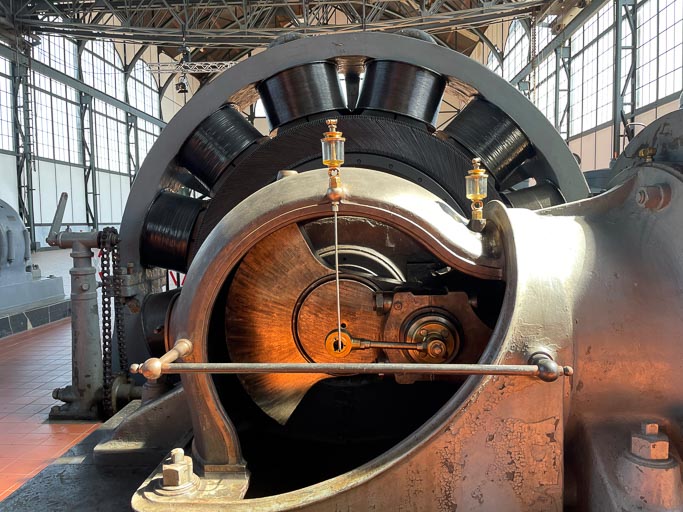
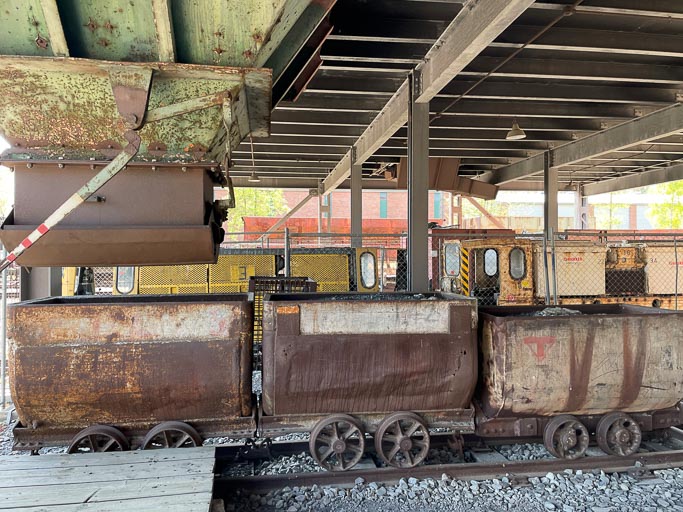
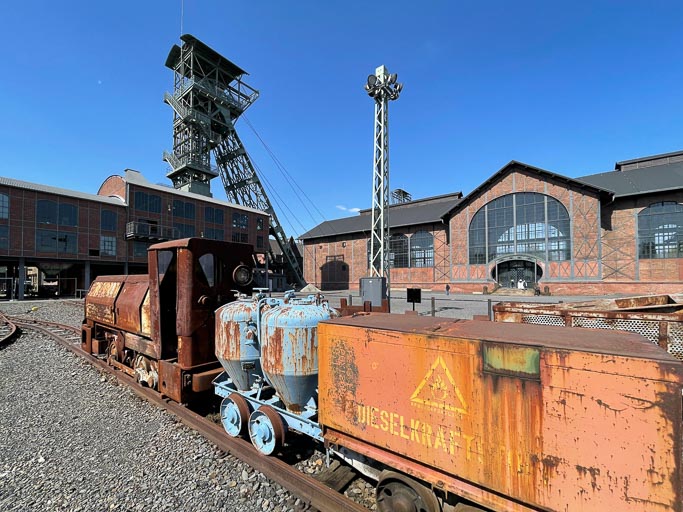
Die Zeche Zollern ist ein stillgelegtes Steinkohlebergwerk im Nordwesten der Stadt Dortmund, im Stadtteil Bövinghausen. Es besteht aus zwei Schachtanlagen, die unter Tage zusammenhingen: Die Schachtanlage I/III (das heißt: die Schächte I und III) in Kirchlinde und die Schachtanlage II/IV in Bövinghausen.
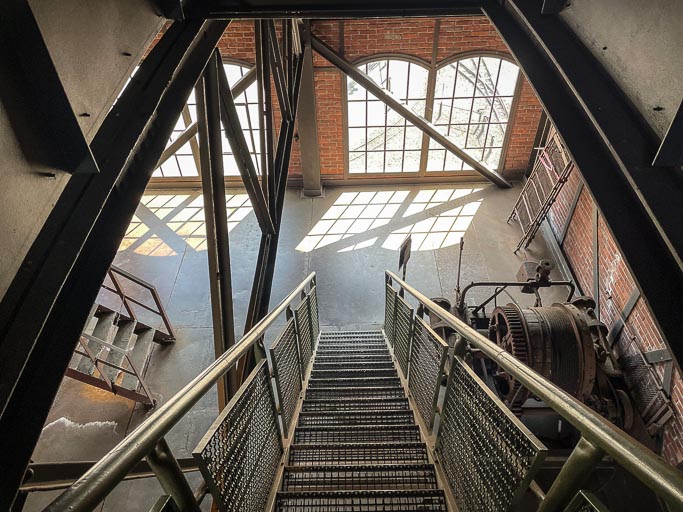
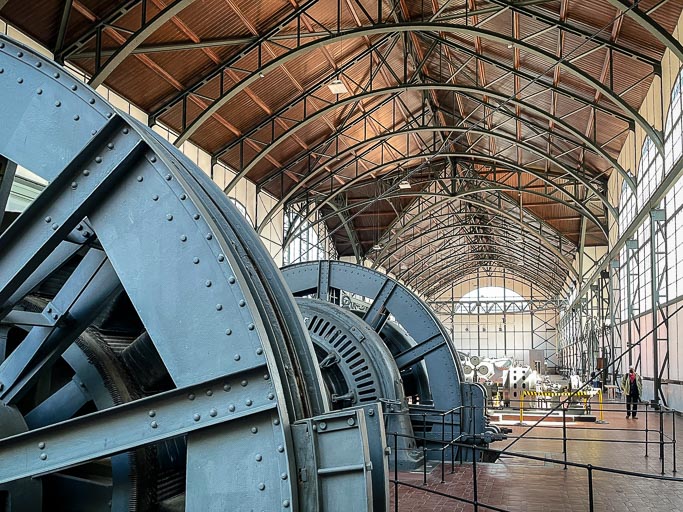
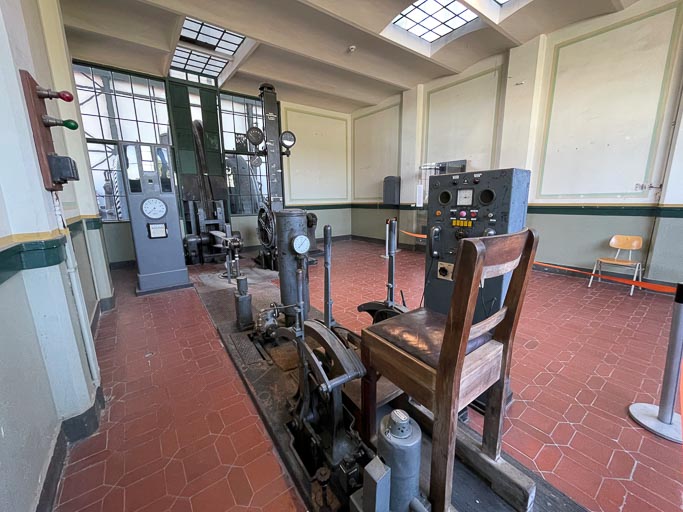
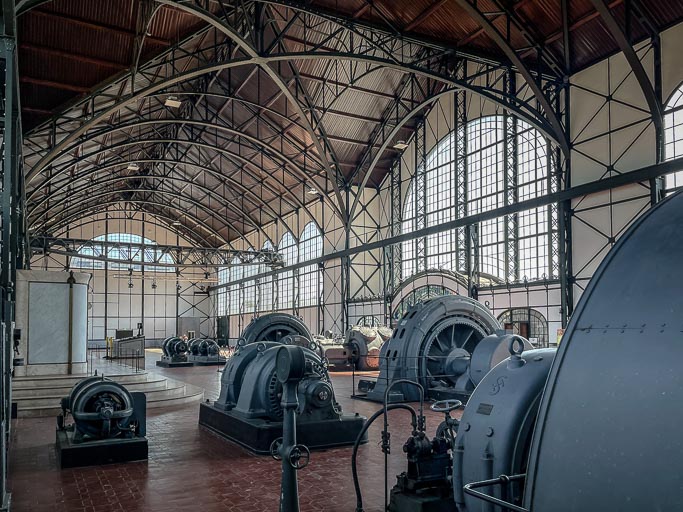
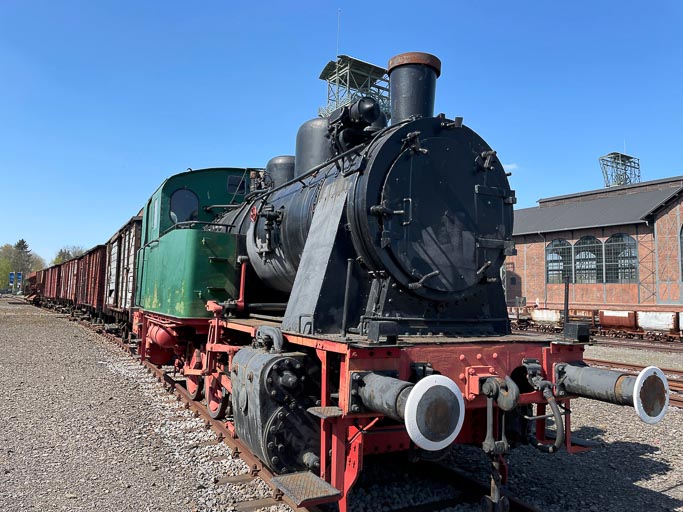
Die Zeche Zollern II/IV ist heute einer von acht Museumsstandorten des dezentral angelegten LWL Industriemuseums, das zugleich hier seinen Sitz hat. Die Zechenanlage ist ein Ankerpunkt der Route der Industriekultur im Ruhrgebiet und der Europäischen Route der Industriekultur (ERIH).
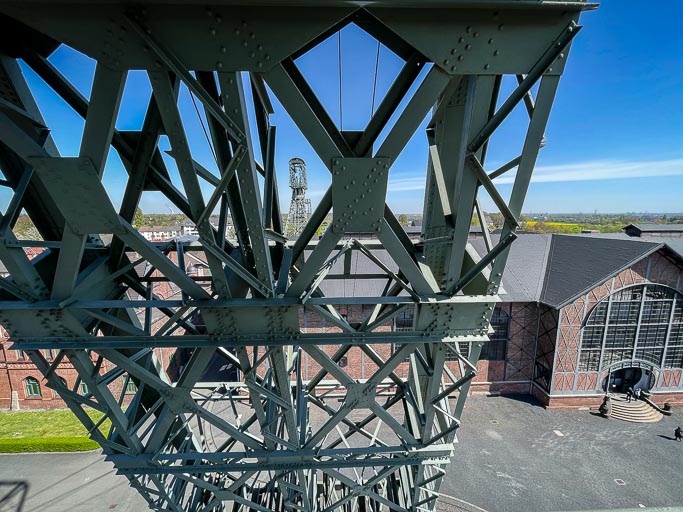
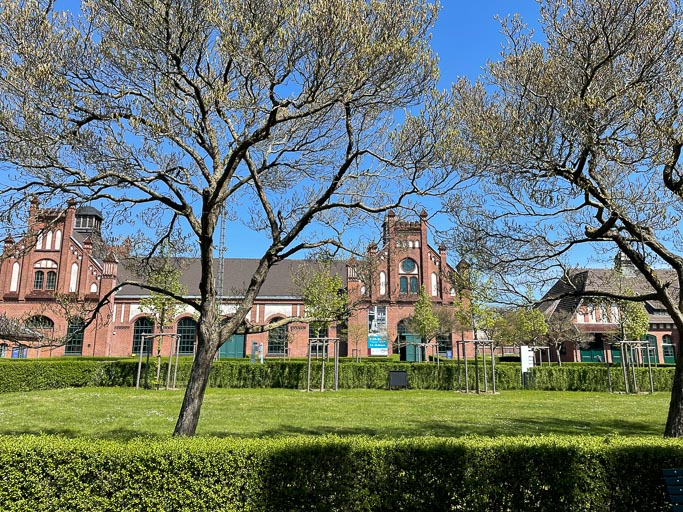
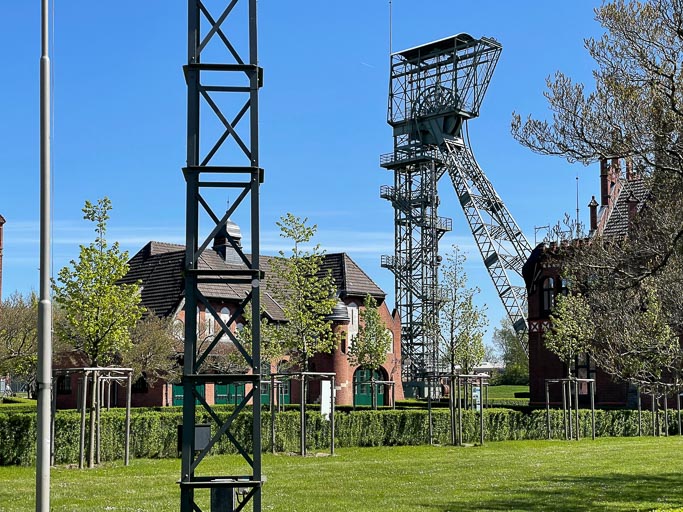
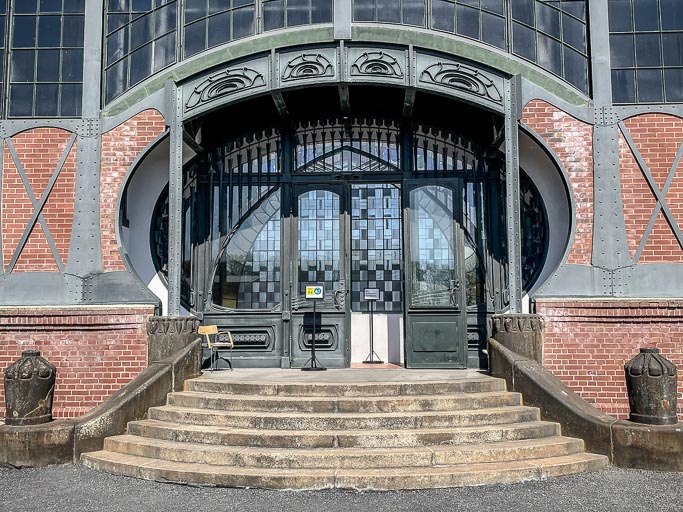
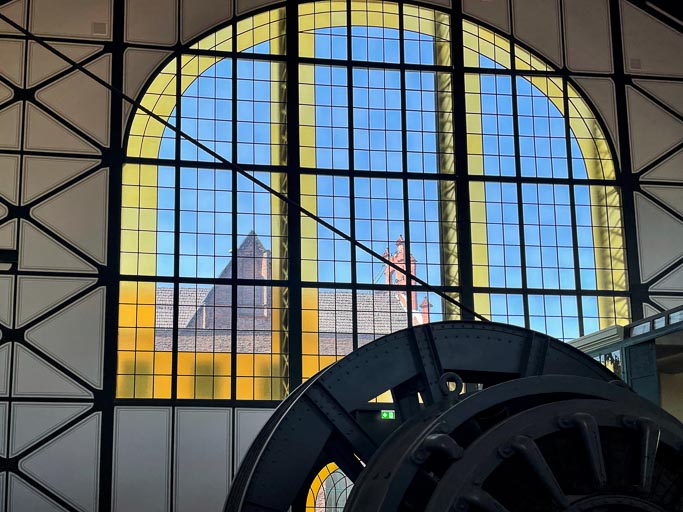
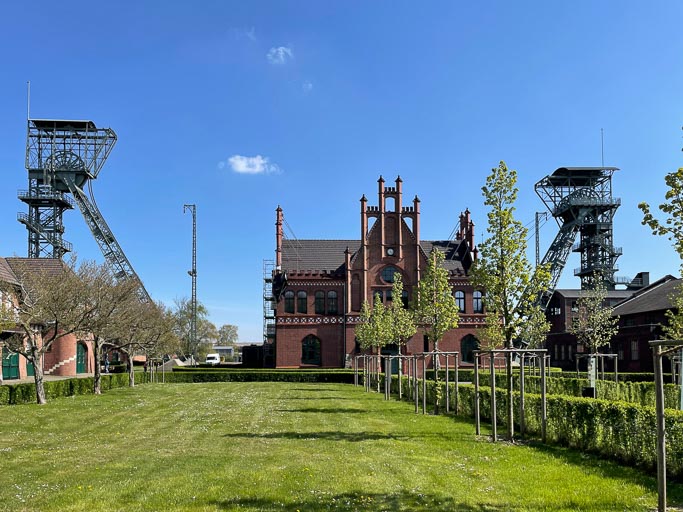
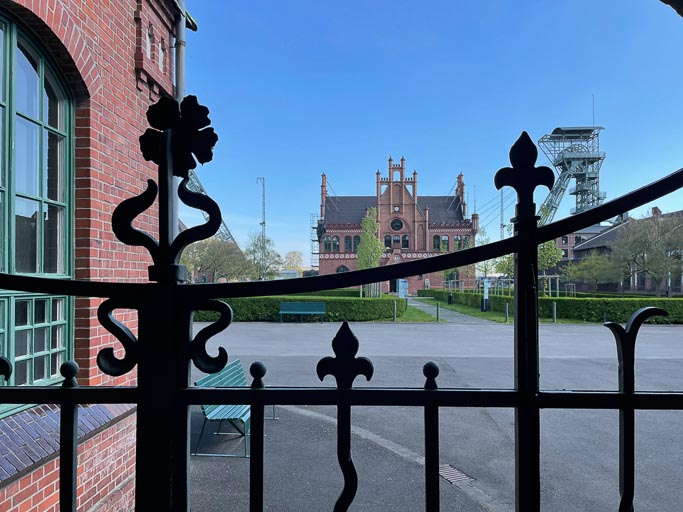
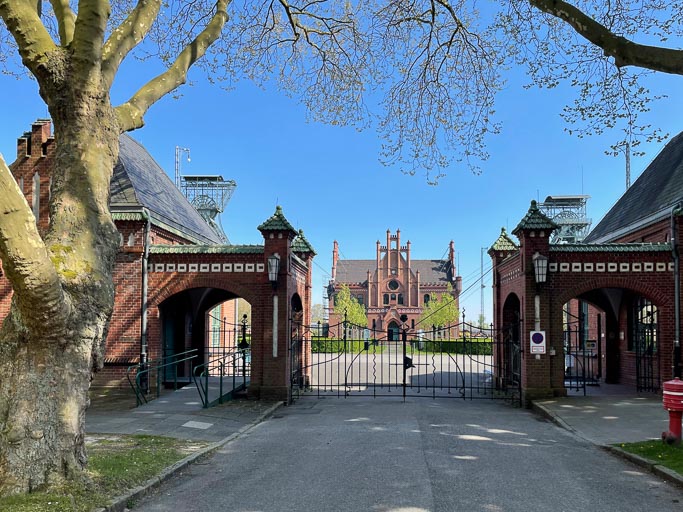
Zollern gehört zu den architektonisch bemerkenswertesten Bergwerksanlagen des Ruhrgebietes. Hinter dem Zechentor erstreckt sich ein großer baumbestandener Platz. Der vordere Bereich der Tagesanlagen erinnert an eine dreiflügelige barocke Schlossanlage im Stil des Historismus der Jahrhundertwende. Die Architektur orientiert sich an dem Idealbild der norddeutschen Backsteingotik, das rote Ziegelmauerwerk wird durch Formsteine, Zierverbände und helle Putzfelder aufgelockert.
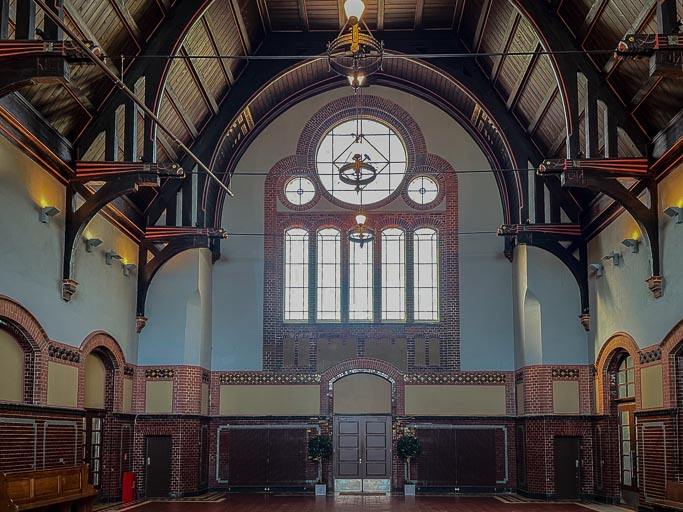
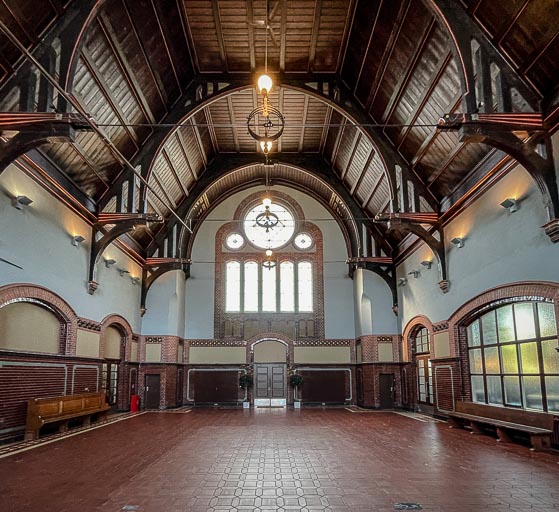
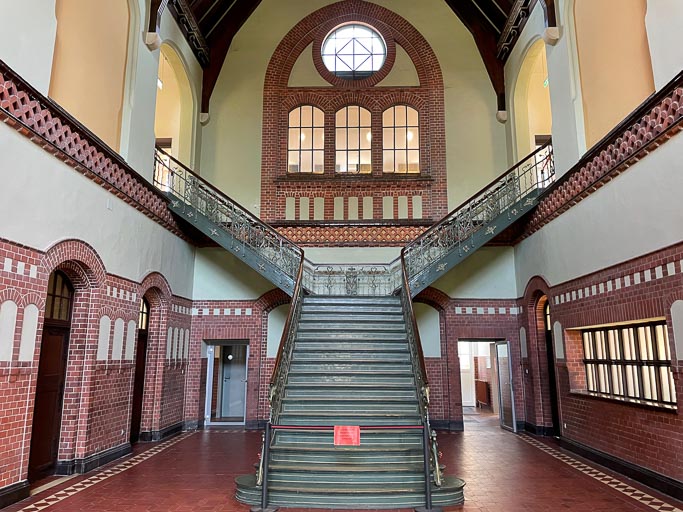
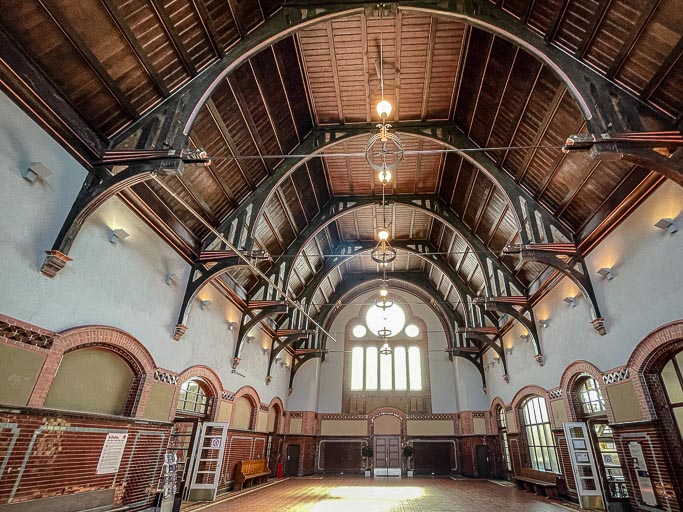
Diese Gebäude entwarf der Architekt Paul Knobbe (1867–1956), der in jener Zeit einen großen Teil aller Neubauten der GBAG plante. Aufwändig ist auch das Innere der Lohnhalle gestaltet, das nach einer langen Zeit der Zweckentfremdung erst vor wenigen Jahren – wie alle Gebäude – sorgfältig restauriert wurde. (Quelle: Wikipedia)
The Zollern Colliery is a decommissioned coal mine in the northwest of Dortmund, in the Bövinghausen district. It consists of two shaft systems that were connected underground: Shaft system I/III (i.e., shafts I and III) in Kirchlinde and shaft system II/IV in Bövinghausen.
Today, Zollern II/IV is one of eight museum locations of the decentralized LWL Industrial Museum, which also has its headquarters here. The colliery is a key site on the Route of Industrial Heritage in the Ruhr area and part of the European Route of Industrial Heritage (ERIH).
Zollern is among the most architecturally remarkable mining sites in the Ruhr area. Behind the colliery gate lies a large tree-lined square. The front area of the surface facilities resembles a three-winged Baroque palace complex in the historicist style of the turn of the century. The architecture follows the ideal of North German brick Gothic, with red brickwork complemented by shaped stones, decorative patterns, and light plastered areas.
The buildings were designed by architect Paul Knobbe (1867–1956), who at that time planned a large portion of all GBAG new constructions. The interior of the wage hall is also elaborately designed and, after a long period of misuse, was carefully restored a few years ago along with all the other buildings. (Source: Wikipedia)