Beechy Island
Beechy Island
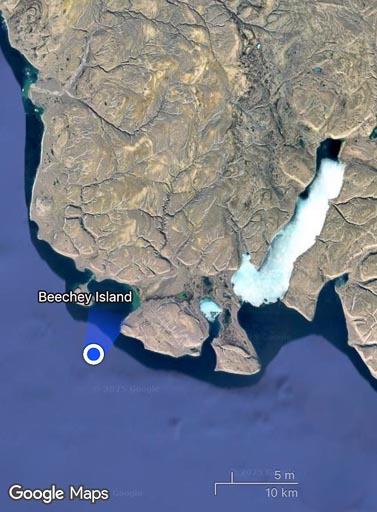
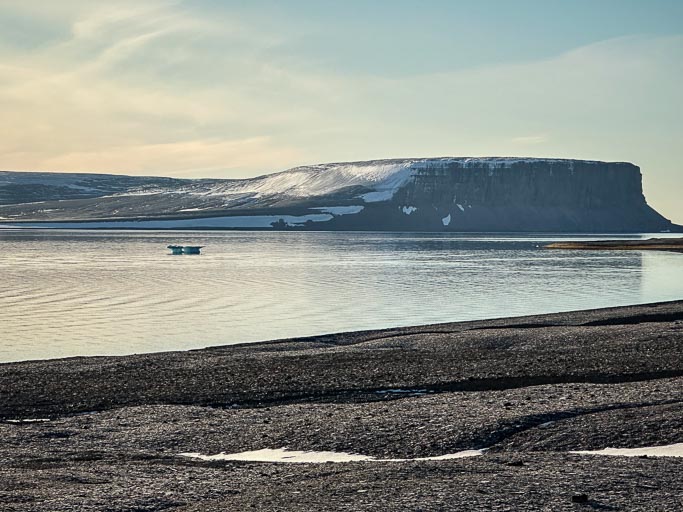
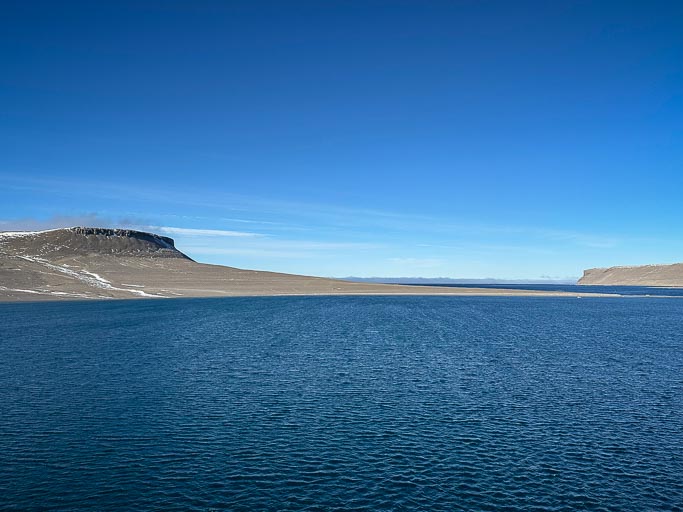
Beechey Island liegt im kanadischen Territorium Nunavut, an der Südwestküste von Devon Island, nahe der Einfahrt zur Lancaster-Straße. Obwohl die Insel klein und karg ist, spielt sie eine zentrale Rolle in der Geschichte der arktischen Entdeckungsreisen – insbesondere in Zusammenhang mit der Franklin-Expedition.
Die Franklin-ExpeditionIm Jahr 1845 brach Sir John Franklin mit zwei Schiffen, der HMS Erebus und der HMS Terror, von England auf. Sein Ziel war es, die letzte unbekannte Passage der Nordwestpassage zu kartieren – den Seeweg, der den Atlantik mit dem Pazifik durch die arktischen Gewässer Kanadas verbindet.
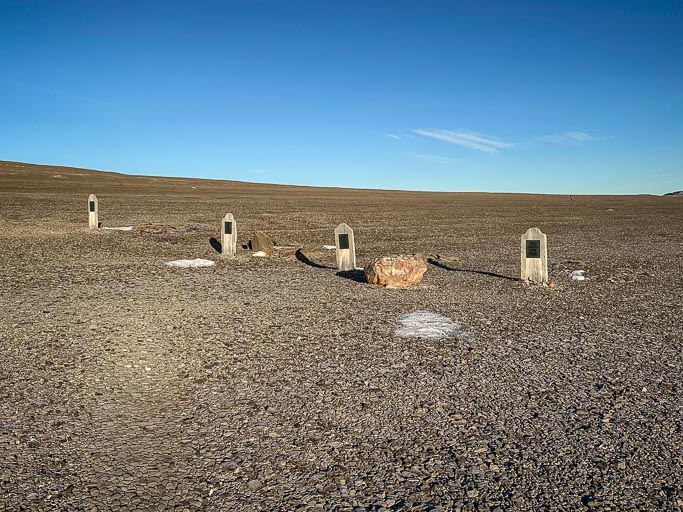
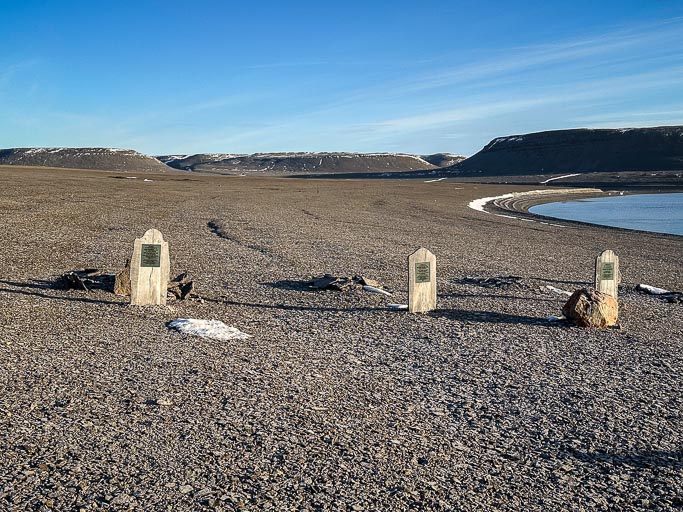
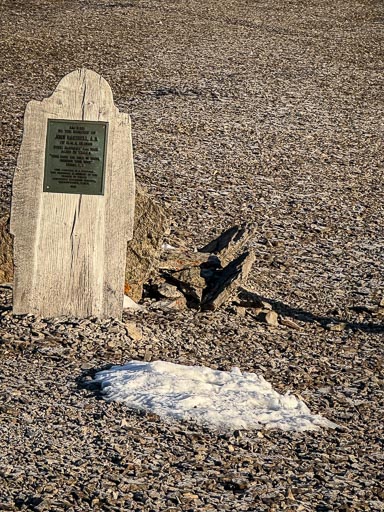
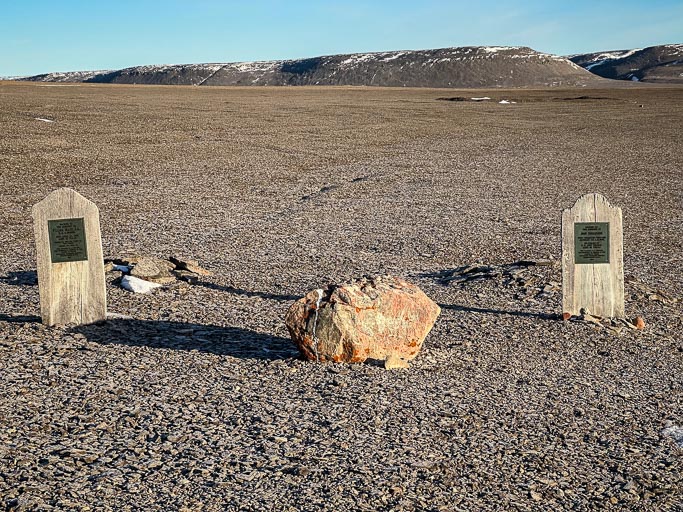
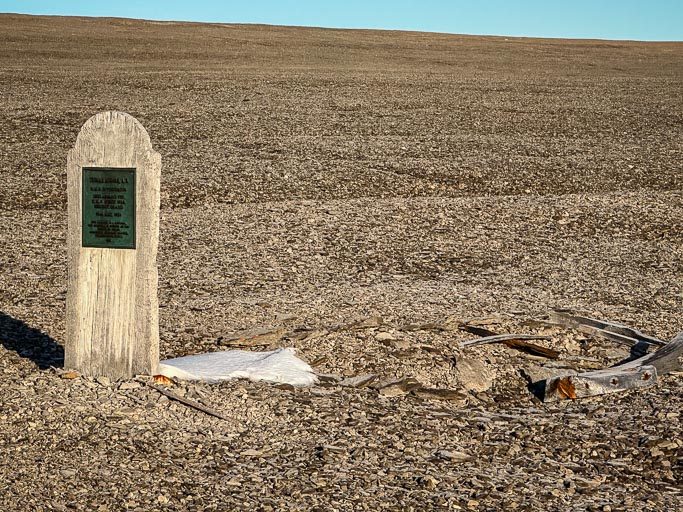
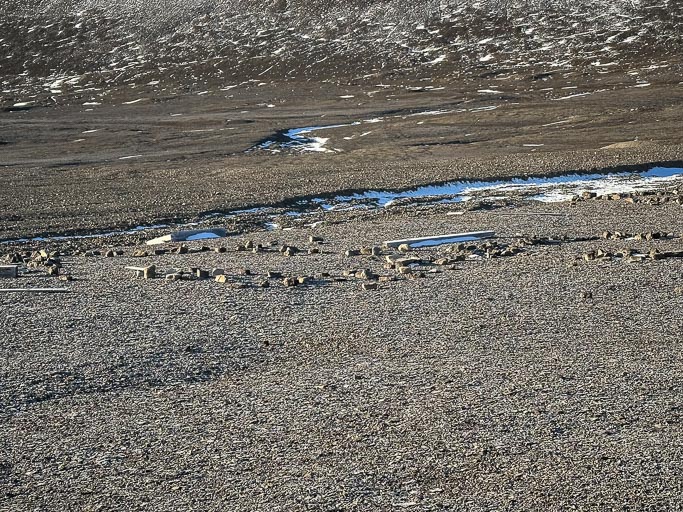
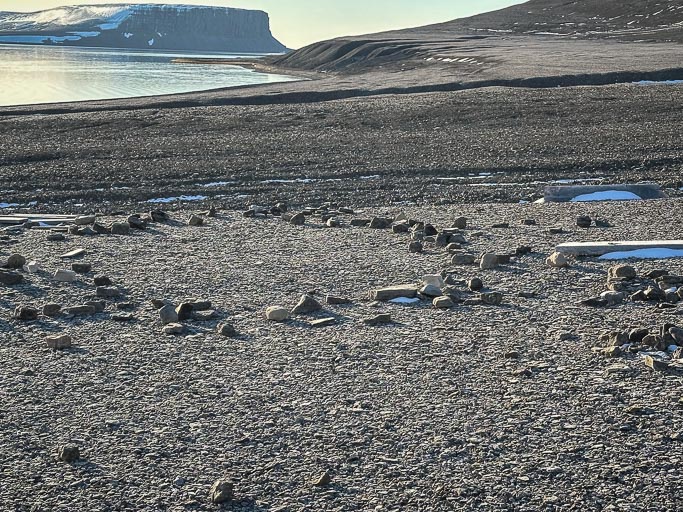
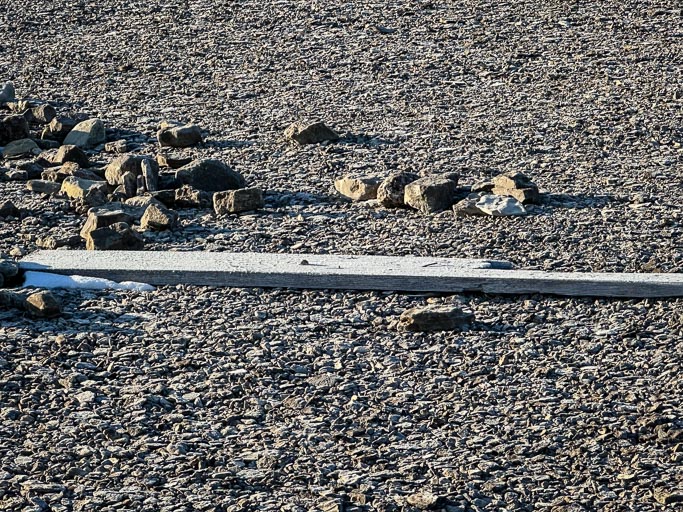
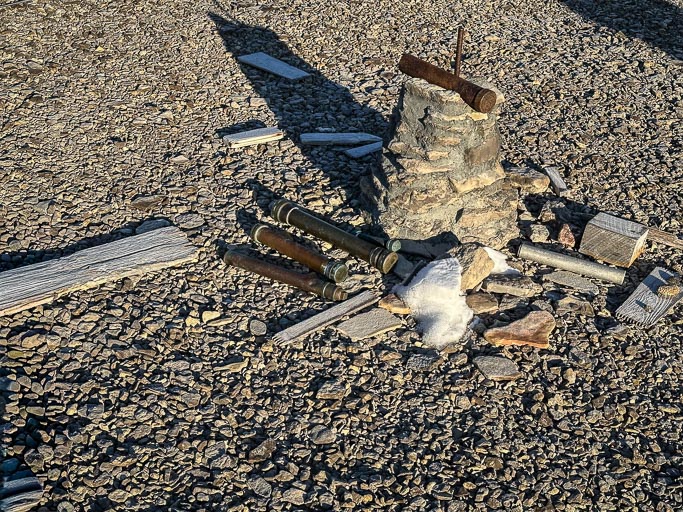
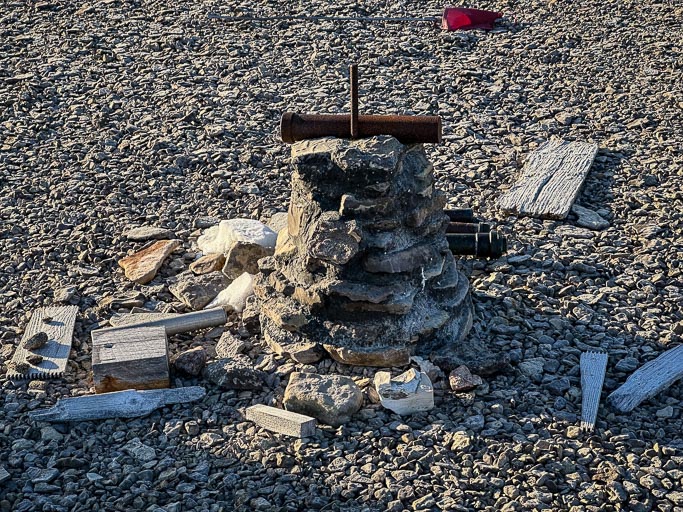
Beechey Island diente der Expedition im Winter 1845–1846 als Überwinterungsplatz. Dort starben die ersten drei Besatzungsmitglieder, deren Gräber heute noch erhalten sind und als ergreifendes Mahnmal der arktischen Entdeckerzeit gelten.
Die Expedition setzte im Sommer 1846 ihre Reise fort – und verschwand spurlos. Erst viele Jahre später wurden Teile der Schiffe und Ausrüstungsgegenstände gefunden, was das tragische Schicksal der Männer langsam aufklärte.
Archäologische BedeutungDie Gräber und Überreste der Franklin-Expedition auf Beechey Island gehören zu den bedeutendsten historischen Stätten der Arktis. Sie wurden 1992 als National Historic Site of Canada anerkannt.
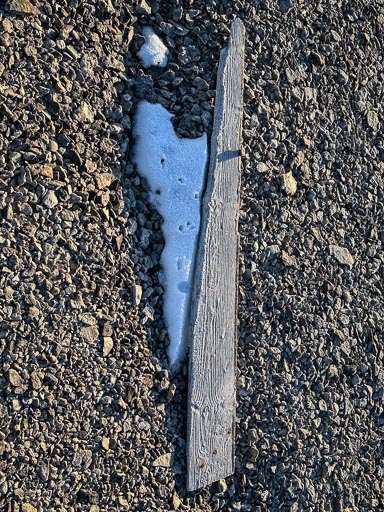
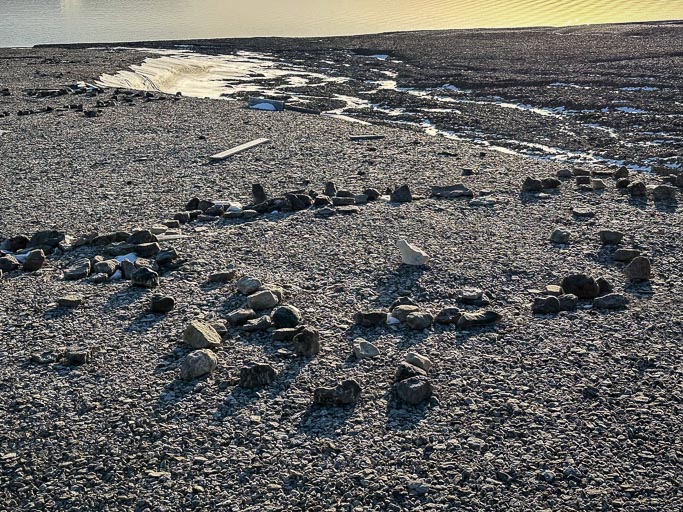
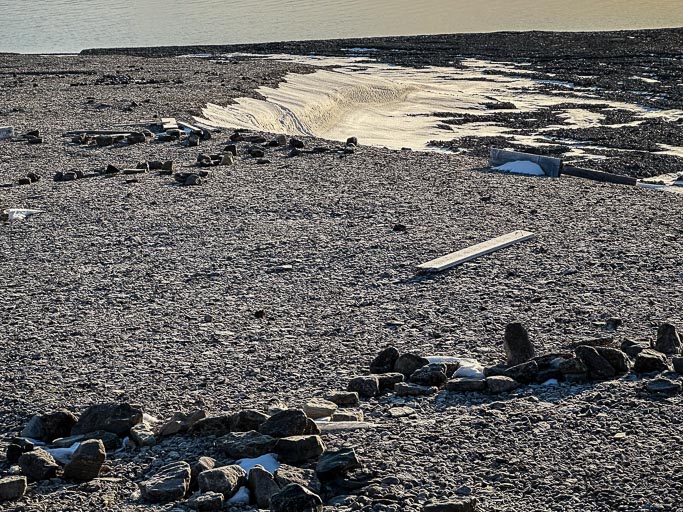
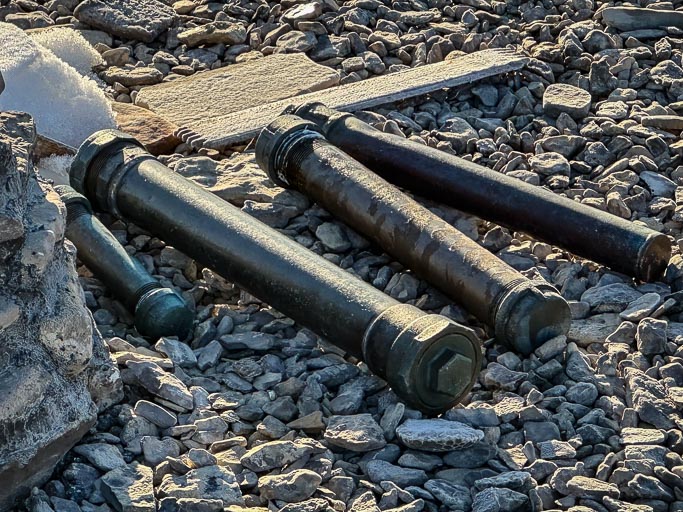
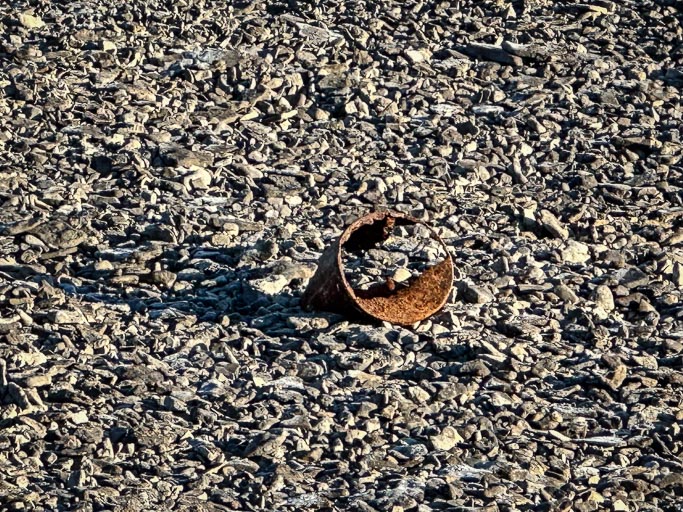
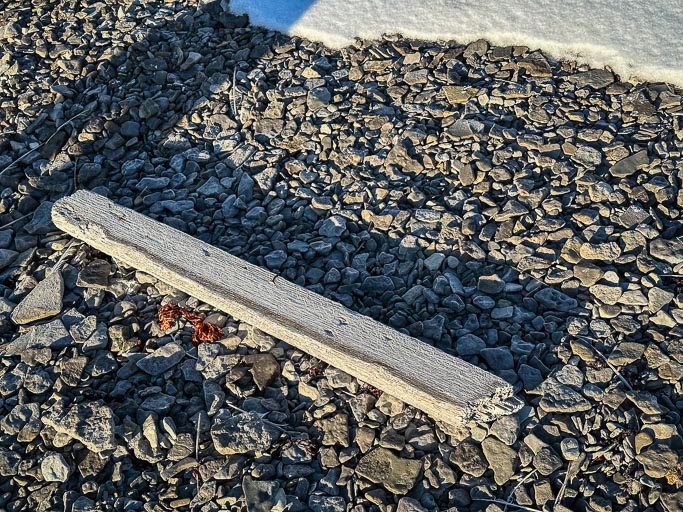
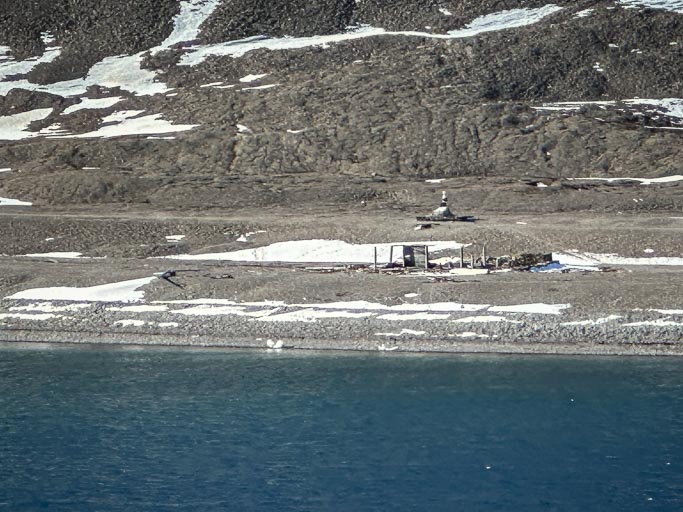
Neben den drei Gräbern von 1846 wurden später auch Spuren anderer Expeditionen entdeckt, die in der Suche nach Franklin folgten – darunter britische und kanadische Lagerplätze aus den 1850er-Jahren.
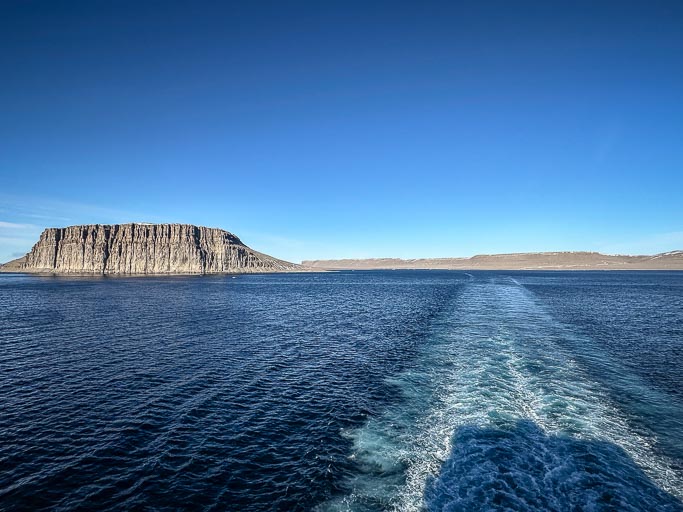
Heute führen viele arktische Kreuzfahrten und Forschungsreisen an Beechey Island vorbei, um die historischen Stätten zu besuchen. Trotz der rauen Witterung und des ewigen Eises bleibt der Ort erstaunlich gut erhalten – die Kälte hat die Gräber und Relikte fast konserviert.
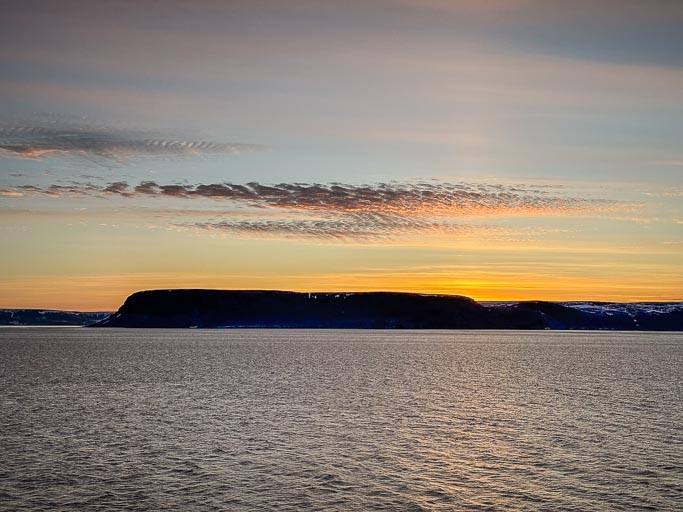
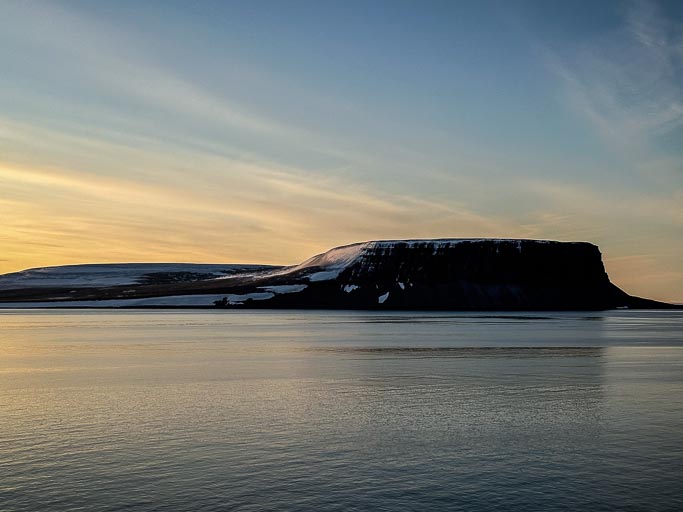
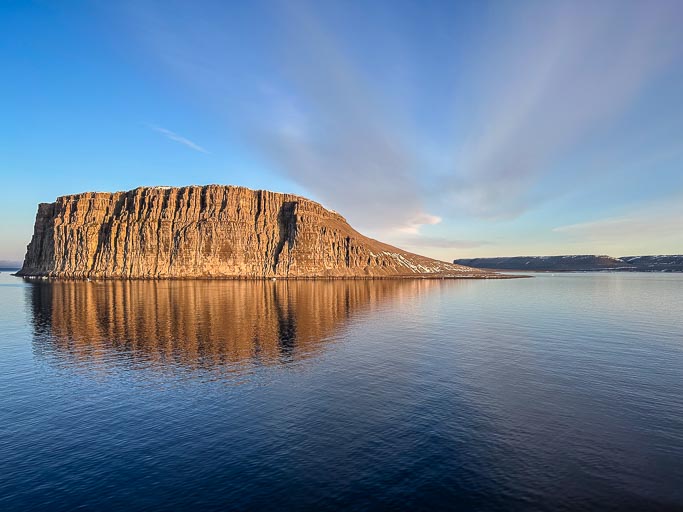
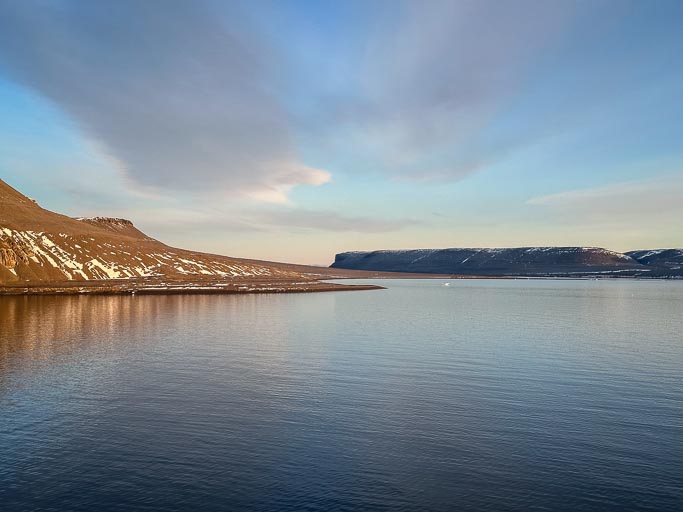
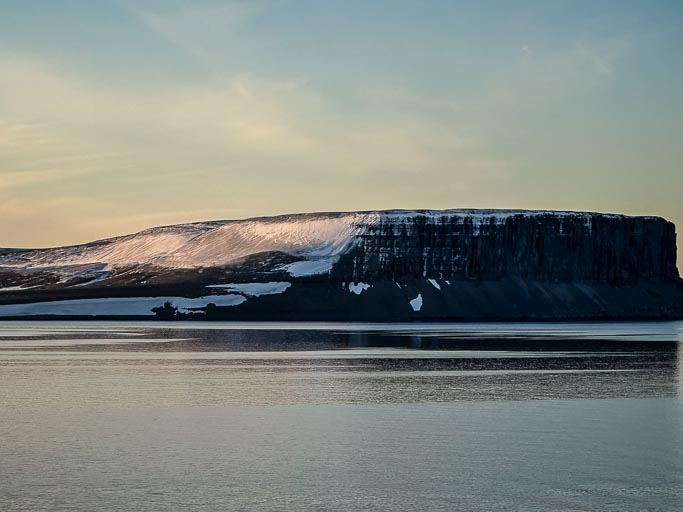
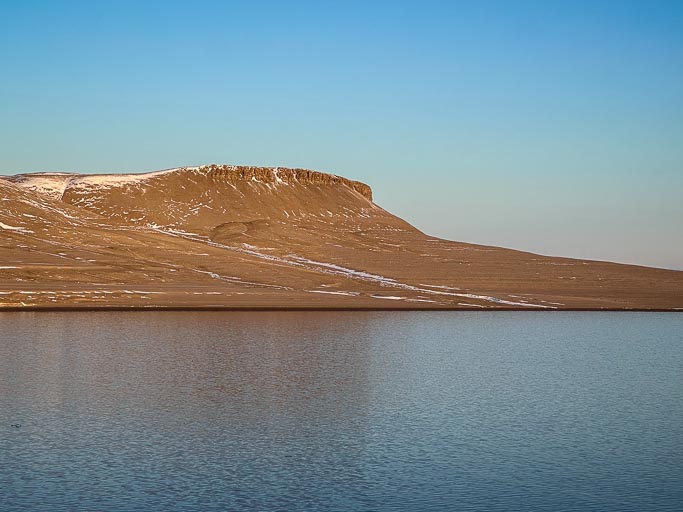
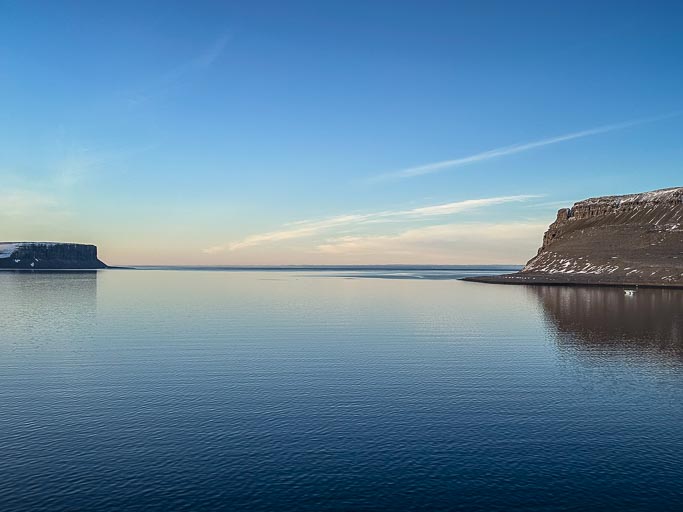
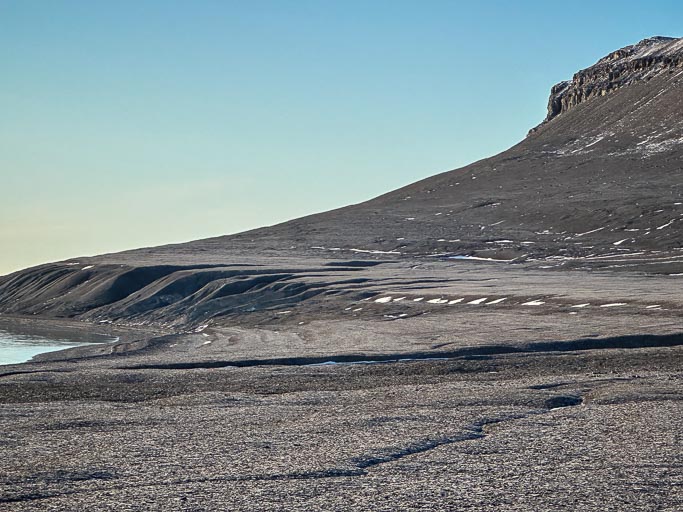
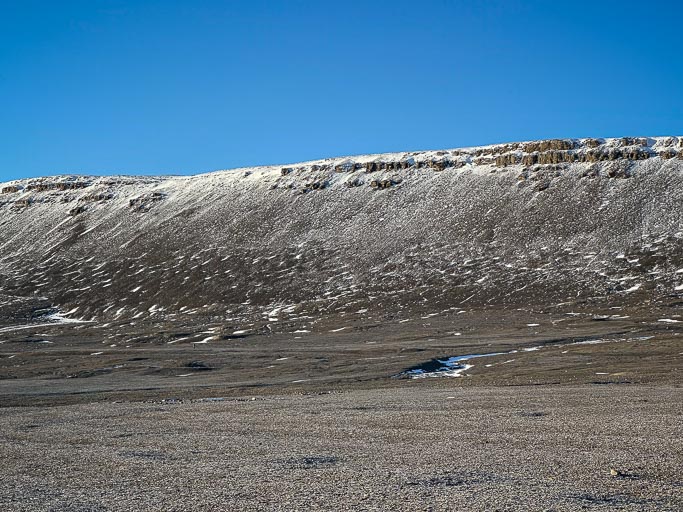
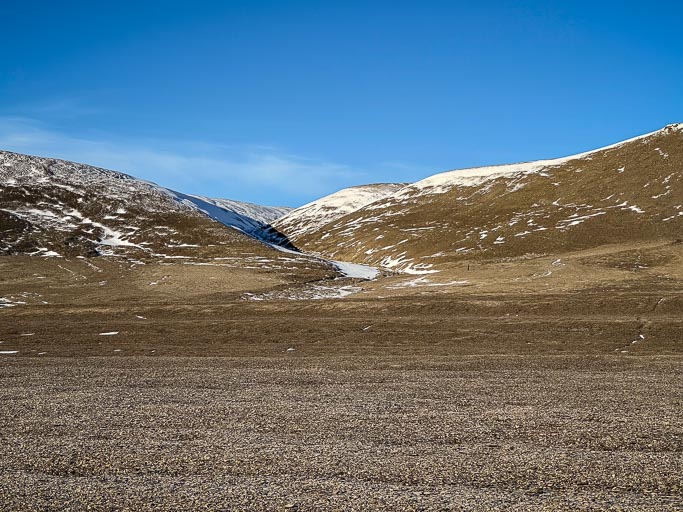
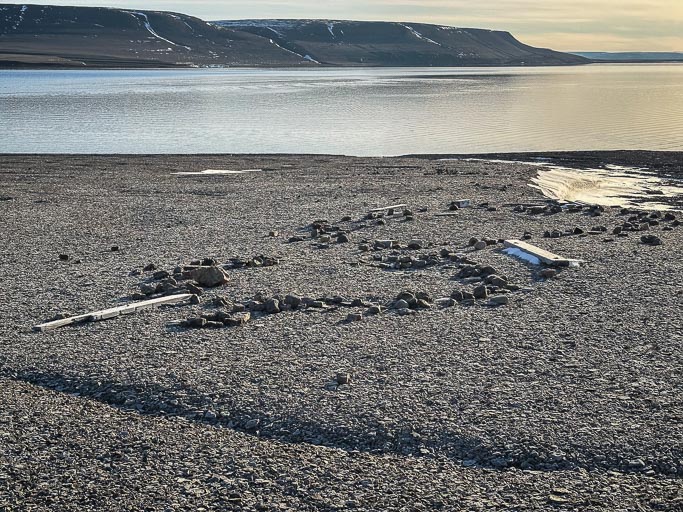
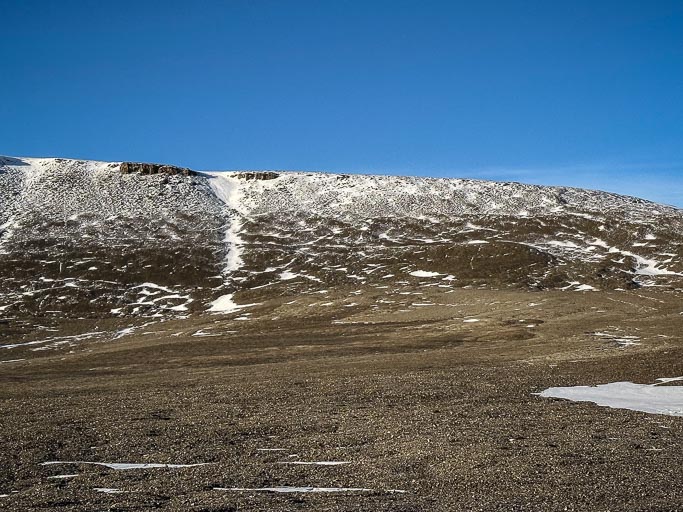
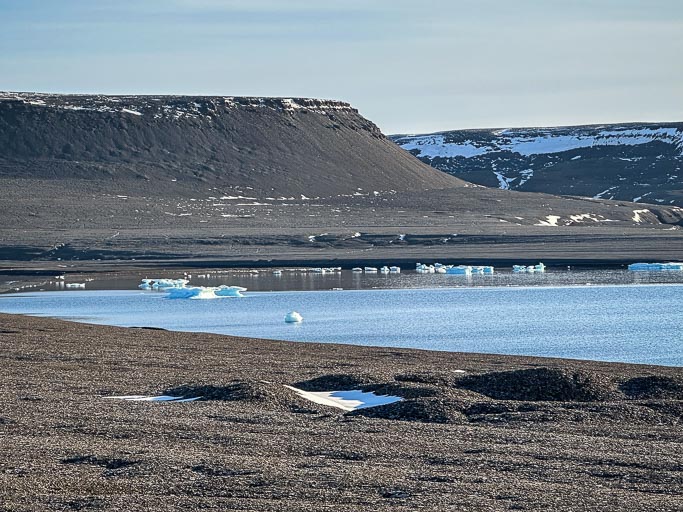
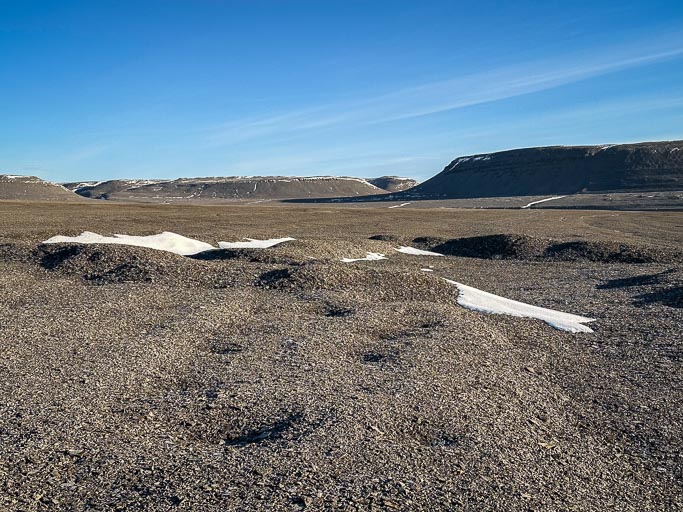
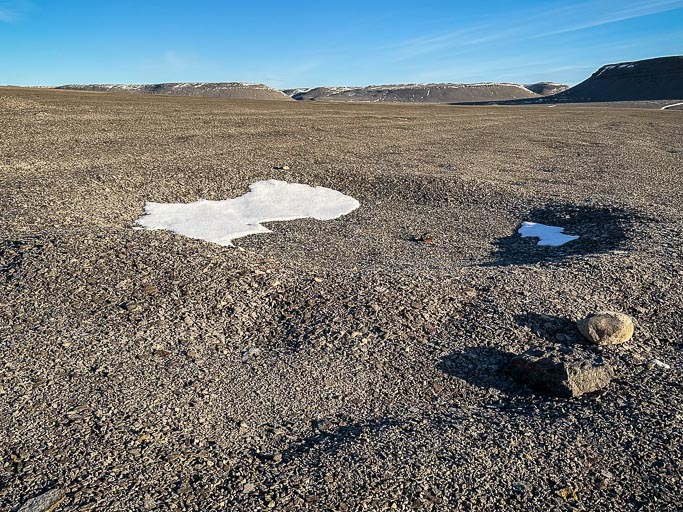
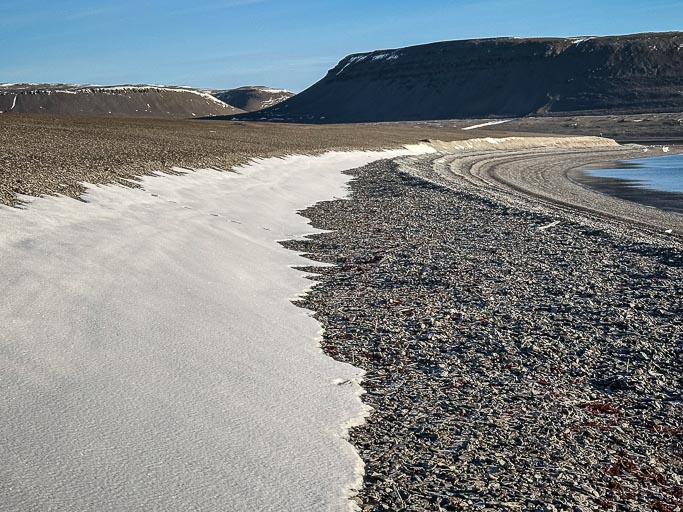
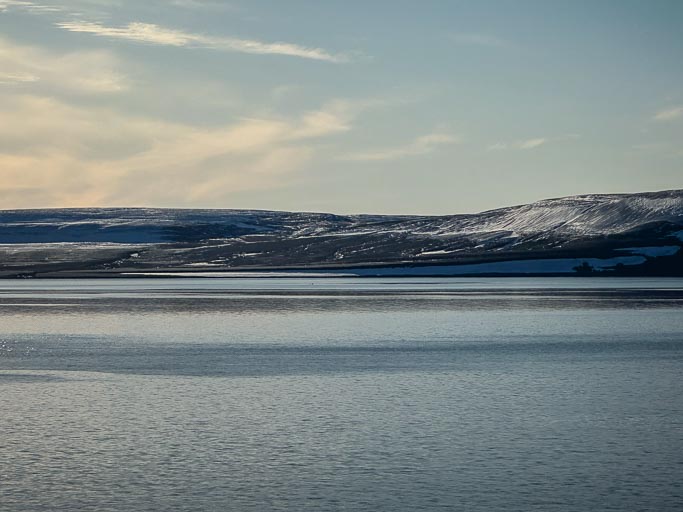
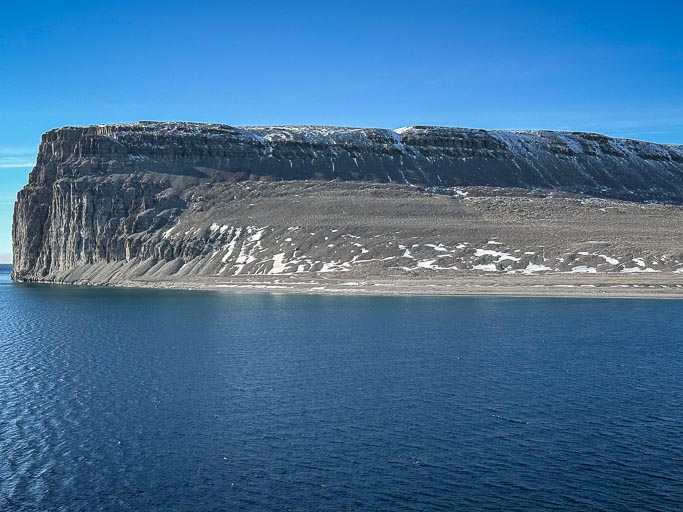
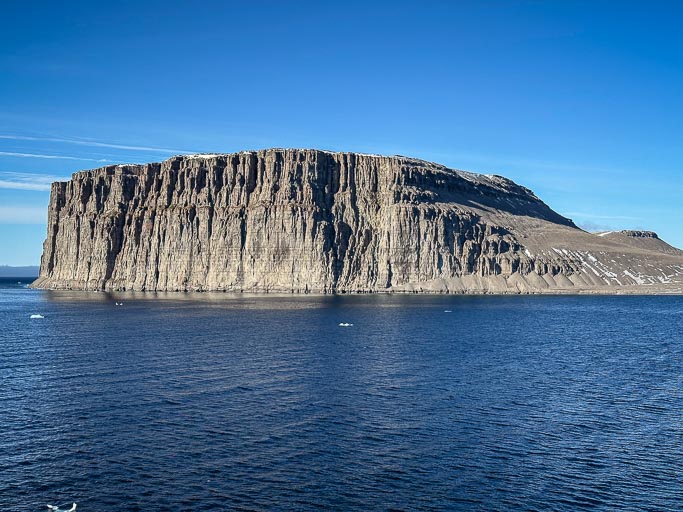
Landschaft und AtmosphäreDie Insel selbst ist karg, mit niedrigen Hügeln und felsigem Untergrund, weitgehend ohne Vegetation. Dennoch hat sie eine beeindruckende, fast ehrfurchtgebietende Atmosphäre. Die einsame Küste, das Eis der Lancaster-Straße und die stillen Grabstätten lassen Besucher tief in die Vergangenheit eintauchen und die Härte des Lebens in der Arktis erahnen.
Bilder einer Reise in 2025...
Beechey Island lies in the Canadian territory of Nunavut, off the southwest coast of Devon Island, near the entrance to Lancaster Sound. Though small and barren, the island holds a pivotal place in the history of Arctic exploration, especially regarding the ill-fated Franklin Expedition.
The Franklin ExpeditionIn 1845, Sir John Franklin set sail from England aboard two ships, the HMS Erebus and HMS Terror, aiming to chart the last unknown stretch of the Northwest Passage, the sea route connecting the Atlantic and Pacific through Canada’s Arctic waters.
Beechey Island served as the expedition’s winter base in 1845–1846, where the first three crew members tragically died. Their graves remain today as a moving testament to the hardships of Arctic exploration.
The expedition resumed its journey in the summer of 1846 but vanished without a trace. It took decades before parts of the ships and equipment were discovered, gradually revealing the grim fate of Franklin’s men.
Archaeological SignificanceThe graves and remains on Beechey Island are among the most historically significant sites in the Arctic. In 1992, they were officially recognized as a National Historic Site of Canada.
Beyond the three graves from 1846, traces of subsequent search expeditions—both British and Canadian—from the 1850s have also been found, highlighting the enduring fascination with Franklin’s voyage.
Today, numerous Arctic cruises and research expeditions visit Beechey Island to explore these historic sites. Despite the harsh weather and permanent ice, the area is remarkably well preserved; the cold has naturally safeguarded the graves and artifacts over the centuries.
Landscape and AtmosphereThe island itself is stark, with low hills and rocky terrain, mostly devoid of vegetation. Yet it possesses an awe-inspiring, almost haunting atmosphere. The desolate coast, the icy waters of Lancaster Sound, and the silent graves allow visitors to step back in time and appreciate the severity of life in the Arctic.
Photos from a 2025 expedition...