Cape York
Cape York
Cape York – Nordwestliches Tor Grönlands
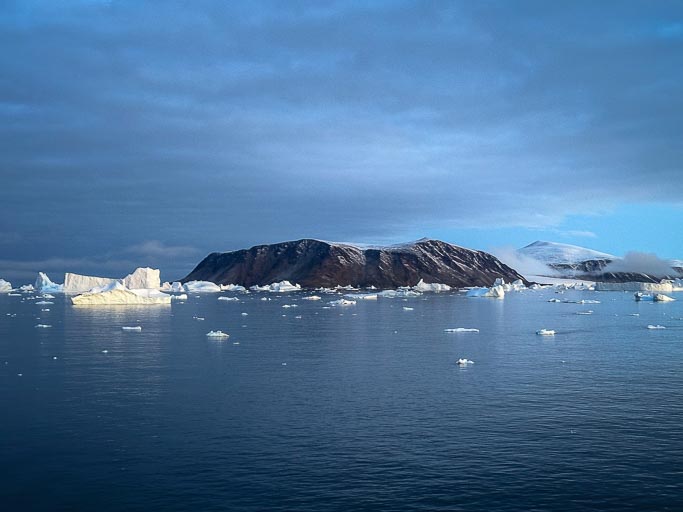
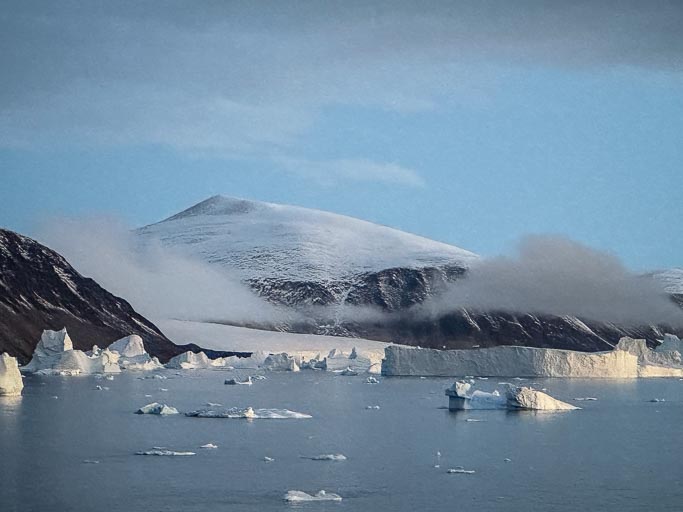
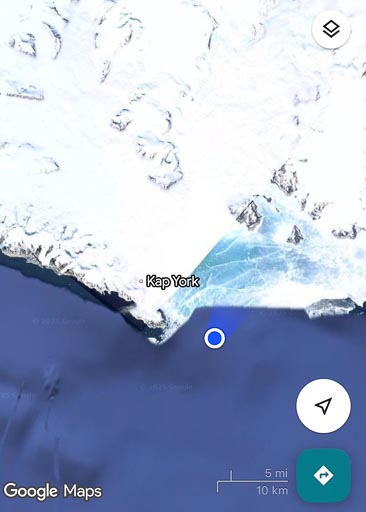
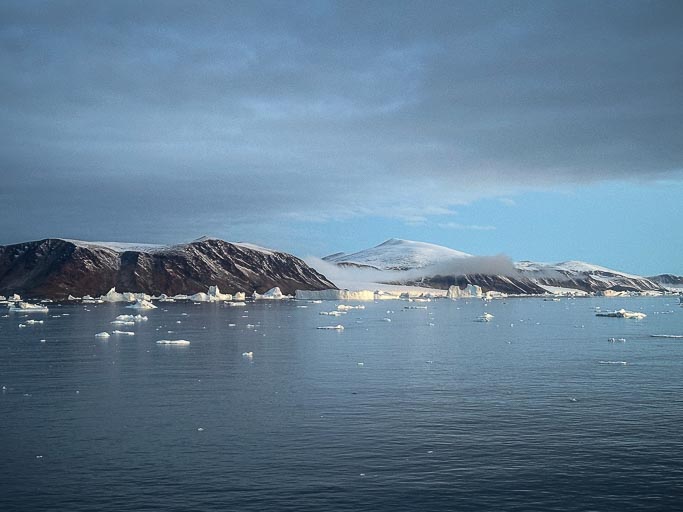
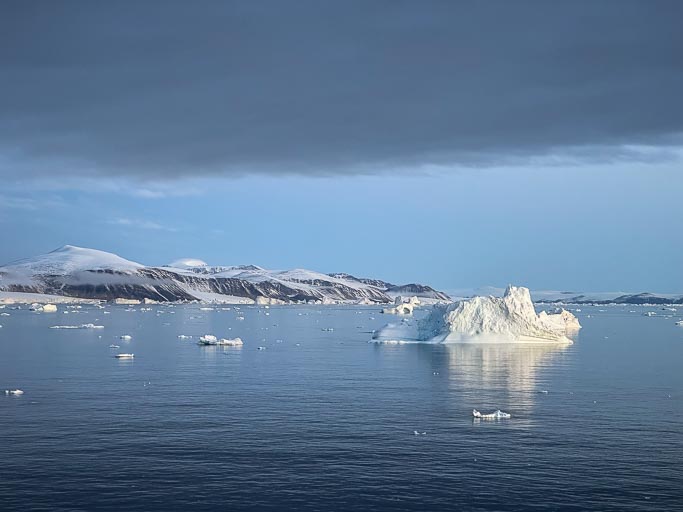
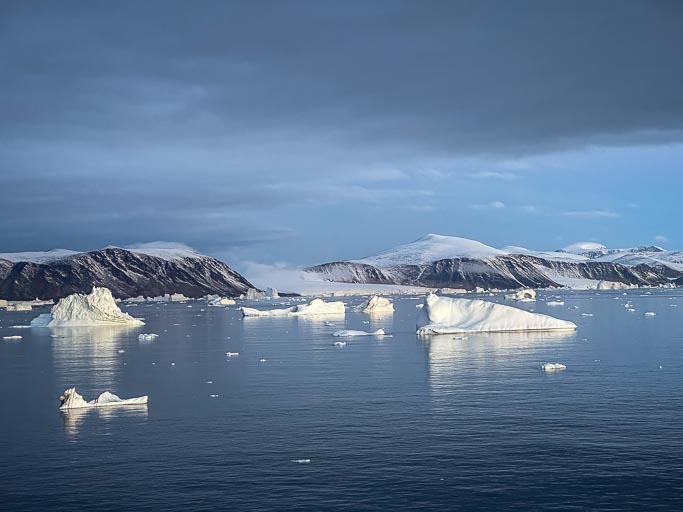
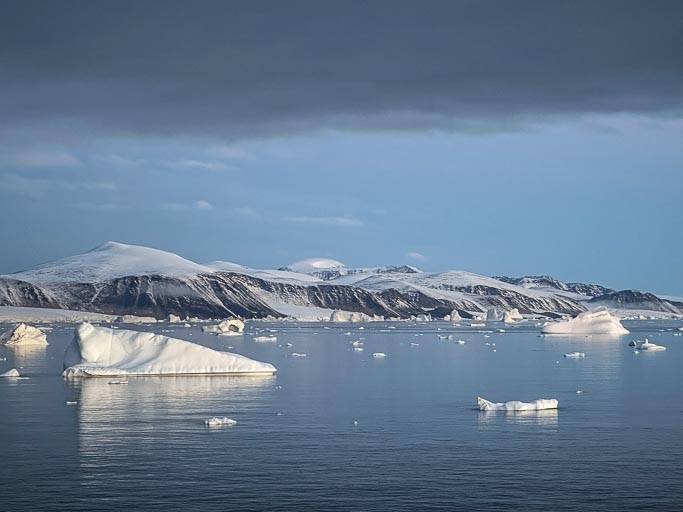
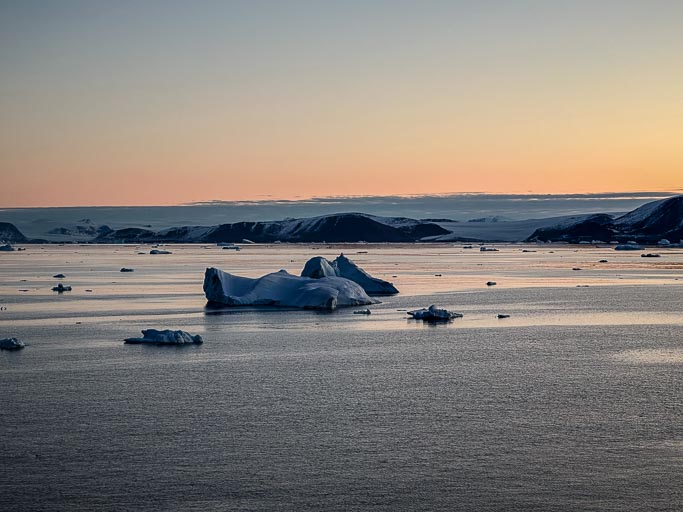
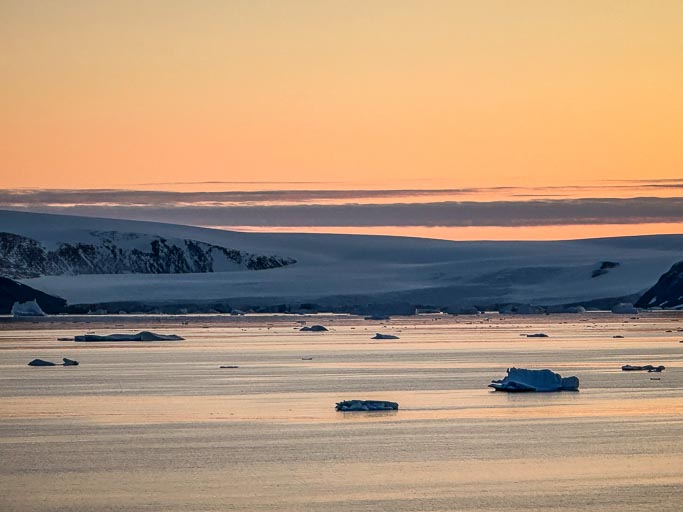
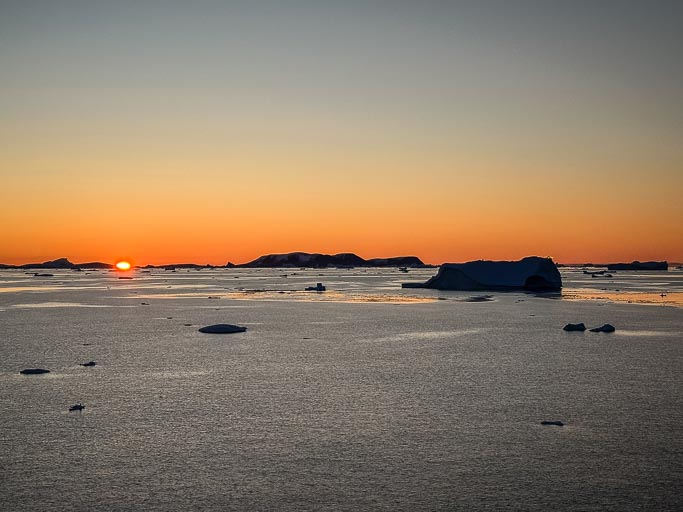
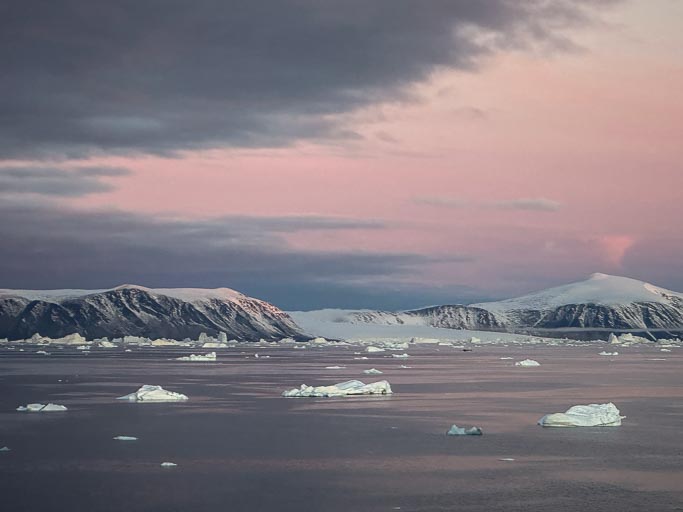
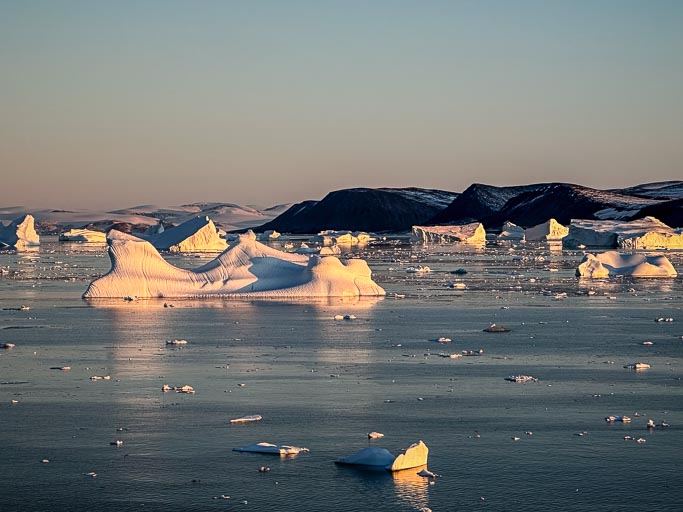
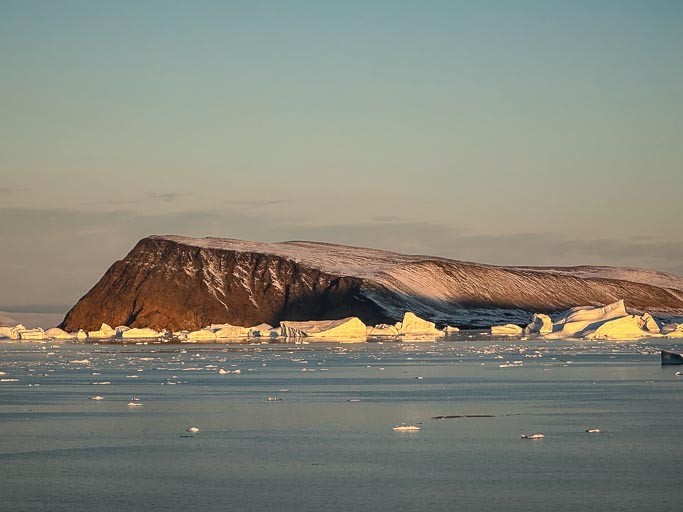
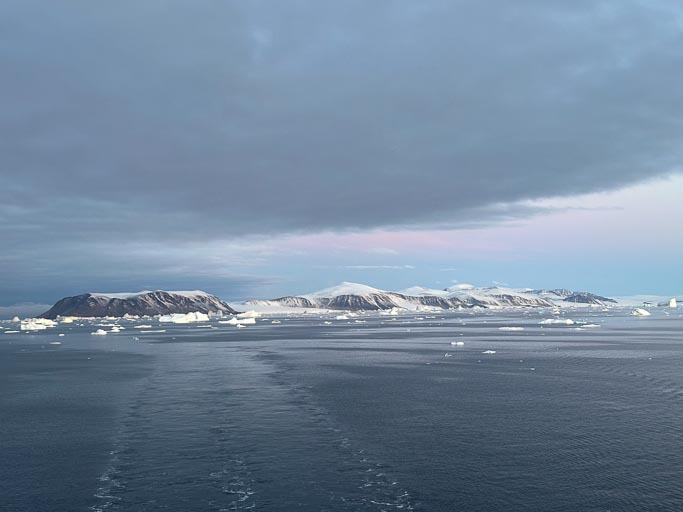
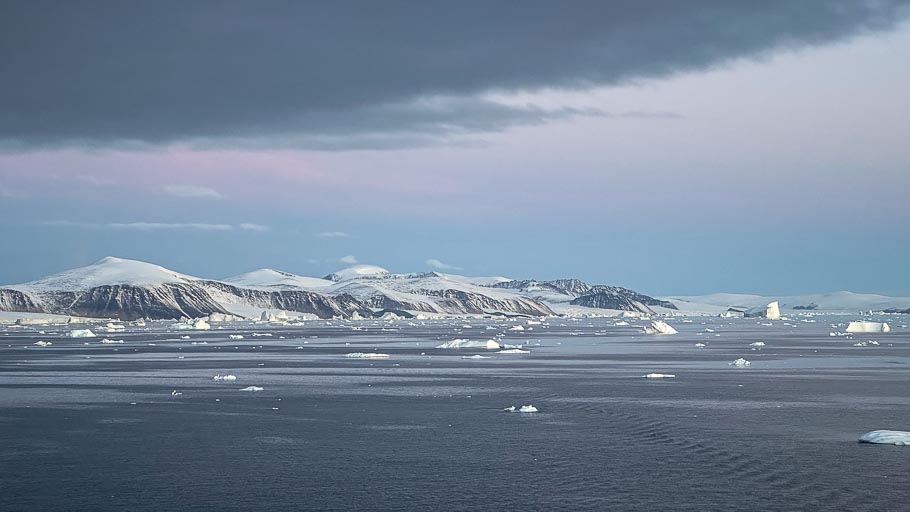
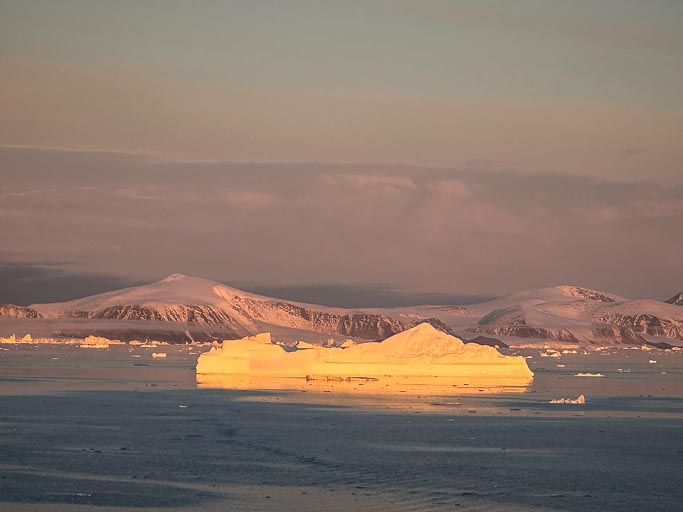
Cape York ist ein markantes Kap an der abgelegenen Nordwestküste von Grönland, direkt an der Baffin Bay. Es bildet die nordwestliche Begrenzung der Melville-Bucht und liegt in einer der ursprünglichsten und am schwersten zugänglichen Regionen der Arktis. Die Landschaft ist geprägt von karger Tundra, steilen Küsten, mächtigen Eisbergen und einem extremen Klima.
Historisch erlangte Cape York im 19. Jahrhundert Bedeutung durch arktische Entdeckungsreisen. Unter anderem erreichten Forscher wie Robert Peary das Gebiet im Zuge ihrer Expeditionen. In der Nähe des Kaps existierte früher eine kleine Inuit-Siedlung, die heute verlassen ist und die Abgeschiedenheit der Region unterstreicht.
Internationale Bekanntheit erlangte Cape York vor allem durch den Cape-York-Meteoriten. Dabei handelt es sich um einen der größten Eisenmeteoriten der Welt mit einem Gesamtgewicht von rund 58 Tonnen. Die Inuit nutzten das meteoritische Eisen über Jahrhunderte zur Herstellung von Werkzeugen – lange bevor Metall durch europäischen Handel verfügbar war. Das größte Fragment, Ahnighito, befindet sich heute im American Museum of Natural History in New York.
Die Umgebung von Cape York ist reich an arktischer Tierwelt. Seevögel, Robben und gelegentlich auch Wale sind in den eisigen Gewässern anzutreffen. Aufgrund der extremen Bedingungen ist das Gebiet nur im kurzen arktischen Sommer zugänglich und wird hauptsächlich von Forschungsexpeditionen und spezialisierten Expeditionskreuzfahrten besucht.
Cape York steht sinnbildlich für die raue Schönheit, die geologische Einzigartigkeit und die historische Bedeutung des hohen Nordens – ein Ort, an dem Natur, Kulturgeschichte und Wissenschaft eindrucksvoll zusammenkommen.
Bilder einer Reise in 2025.
Cape York – Northwestern gateway to Greenland
Cape York is a prominent headland on the remote northwestern coast of Greenland, directly on Baffin Bay. It marks the northwestern boundary of Melville Bay and lies in one of the most pristine and inaccessible regions of the Arctic. The landscape is characterized by barren tundra, steep coastlines, massive icebergs, and an extreme climate.
Cape York gained historical significance in the 19th century through Arctic exploration. Explorers such as Robert Peary reached the area during their expeditions. Near the cape once existed a small Inuit settlement, now abandoned, emphasizing the isolation of the region.
International recognition came primarily from the Cape York meteorite, one of the largest iron meteorites in the world with a total weight of about 58 tons. Inuit people used meteoritic iron for centuries to produce tools, long before metal became available through European trade. The largest fragment, known as Ahnighito, is now displayed at the American Museum of Natural History in New York.
The area around Cape York is rich in Arctic wildlife. Seabirds, seals, and occasionally whales can be found in the icy waters. Due to the extreme conditions, the region is accessible only during the short Arctic summer and is mainly visited by research expeditions and specialized expedition cruises.
Today, Cape York symbolizes the rugged beauty, geological uniqueness, and historical significance of the High Arctic – a place where nature, cultural history, and science meet in a powerful way.
Images from a trip in 2025.