Croker Bay
Croker Bay
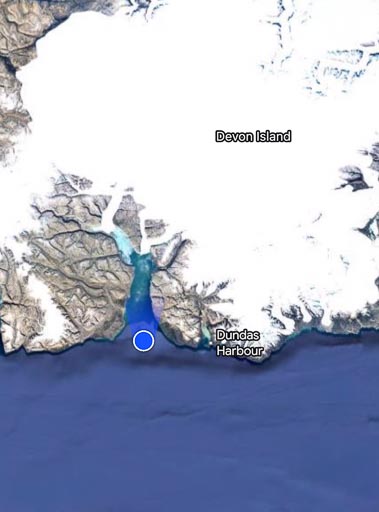
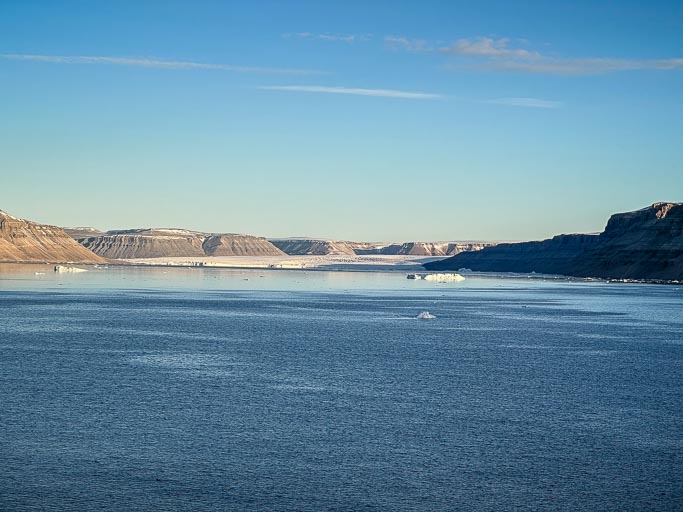
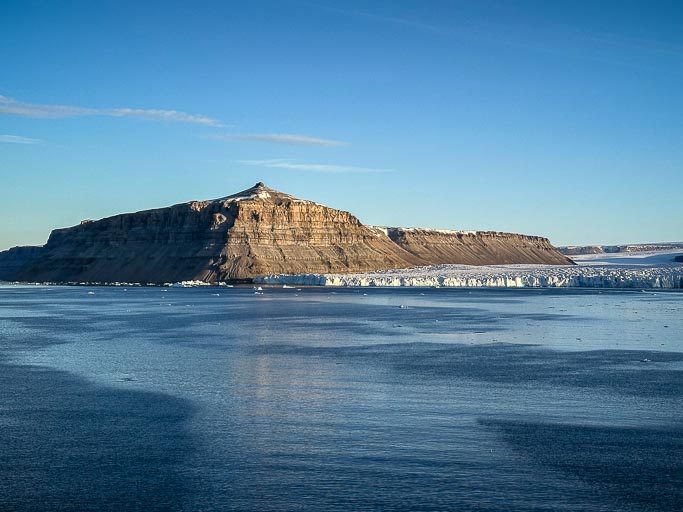
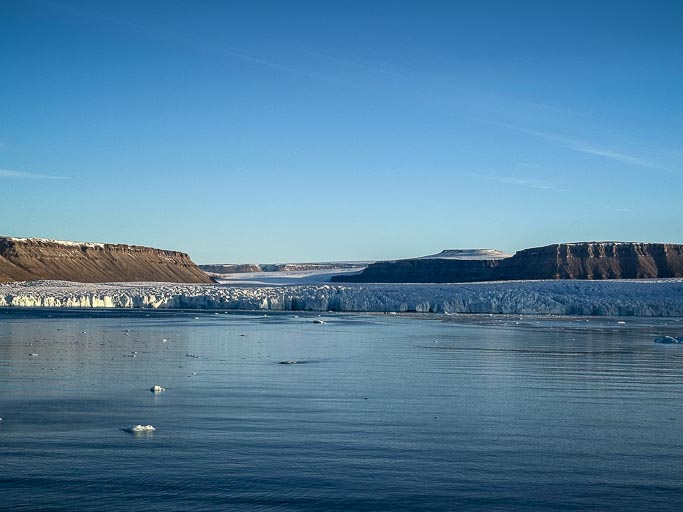
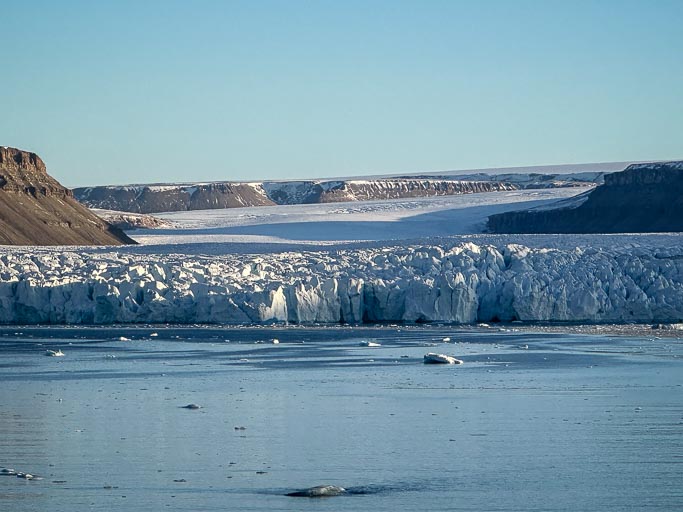
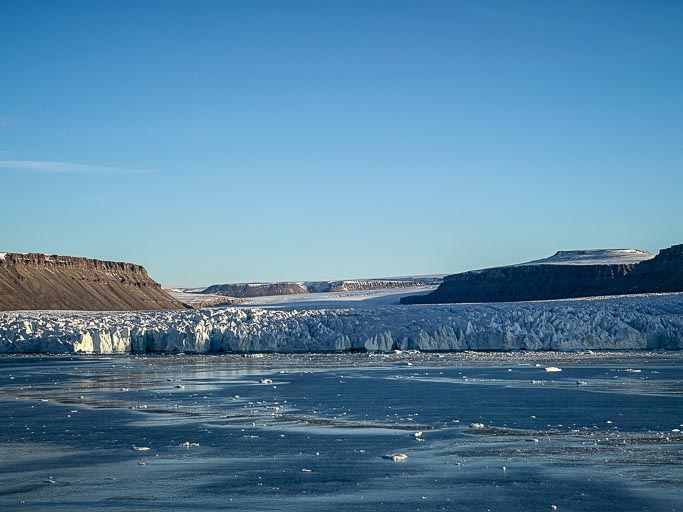
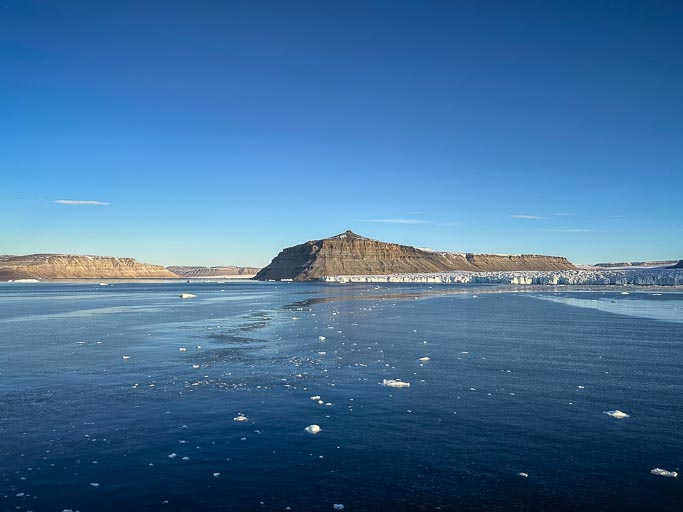
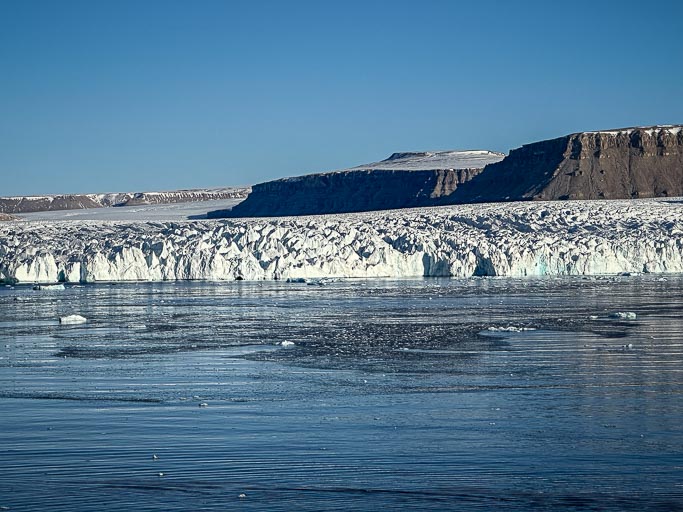
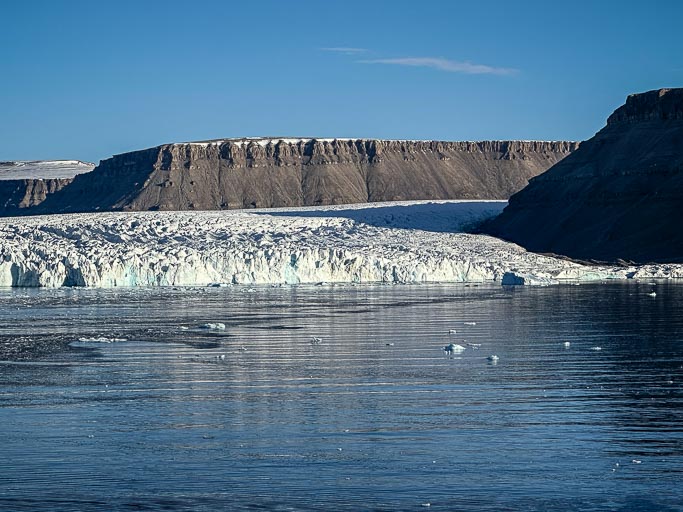
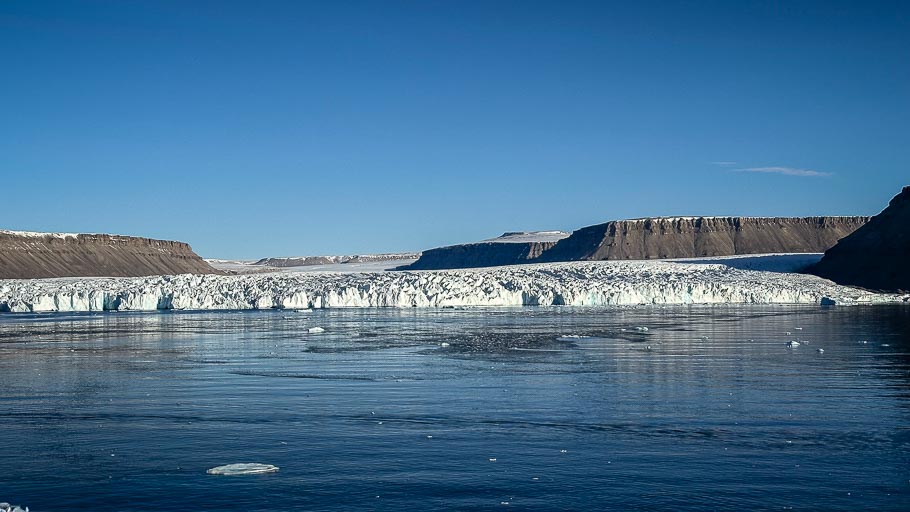
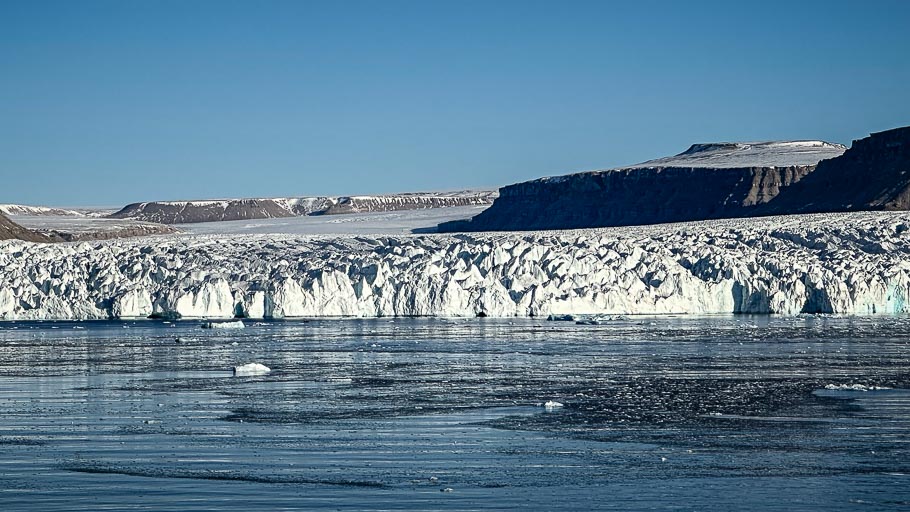
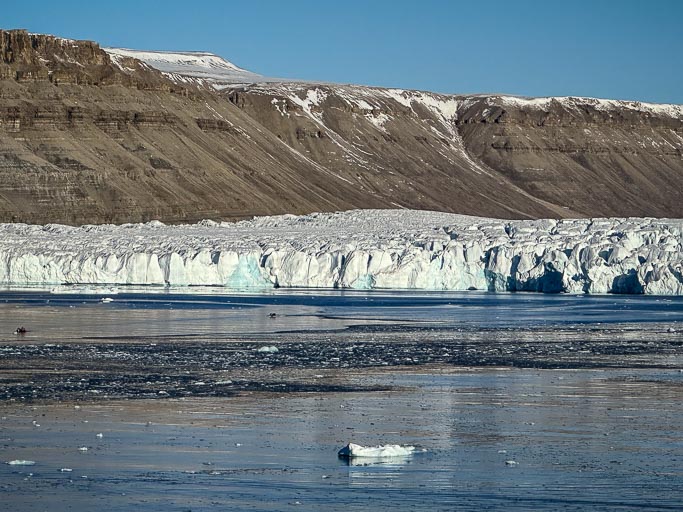
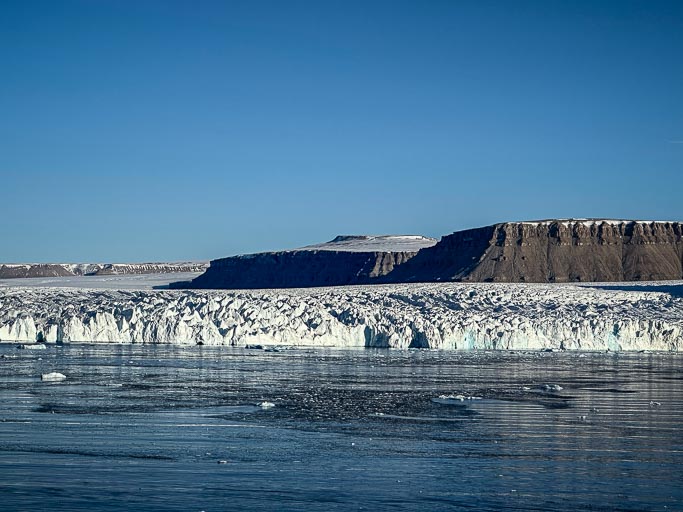
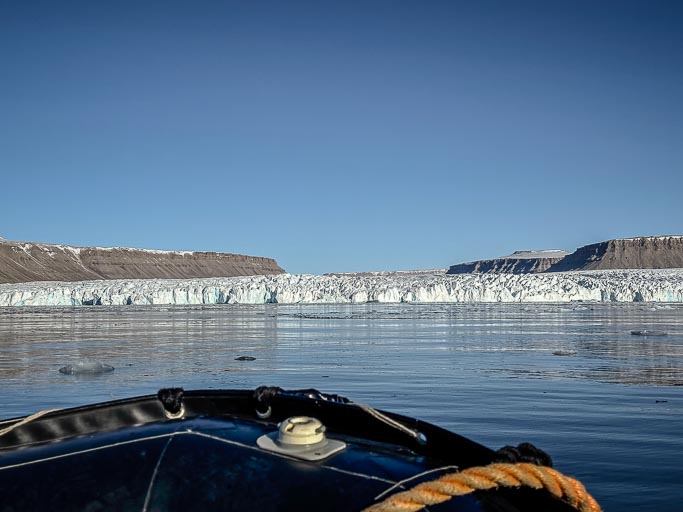
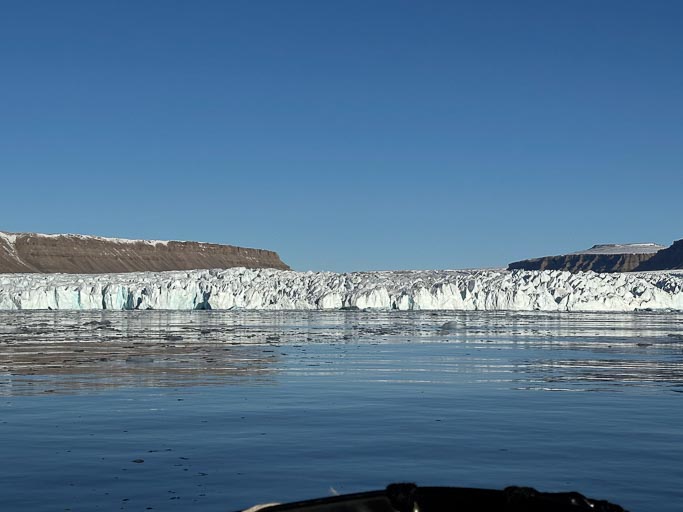
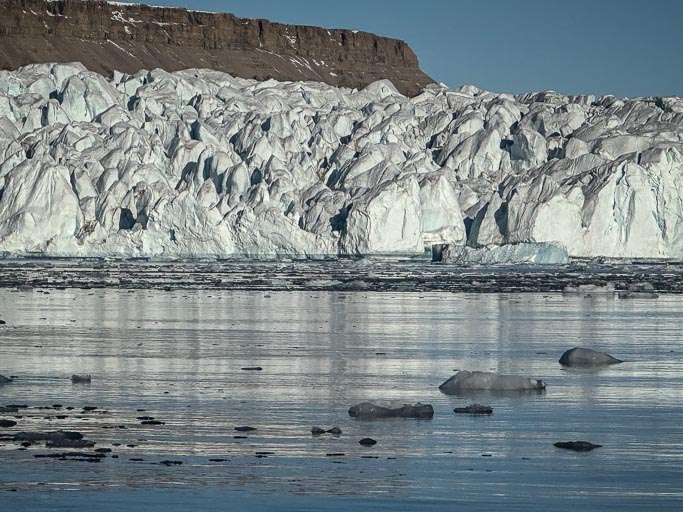
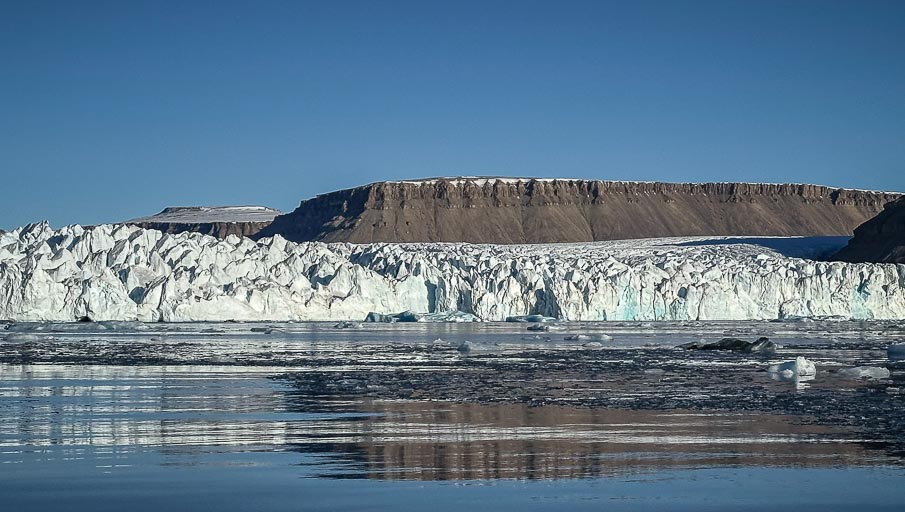
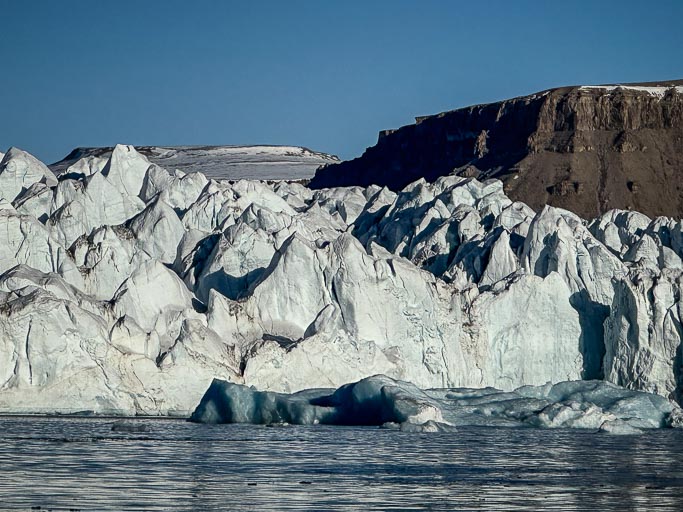
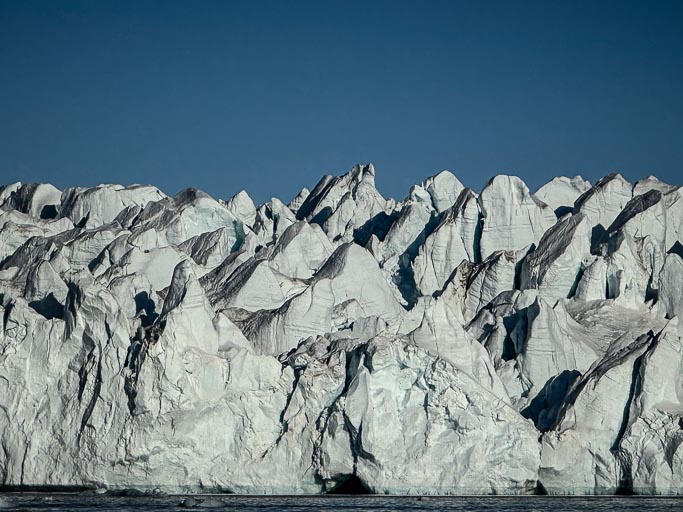
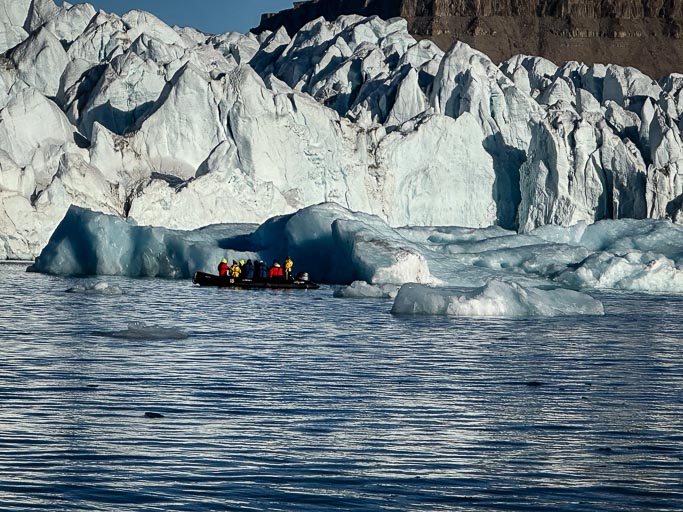
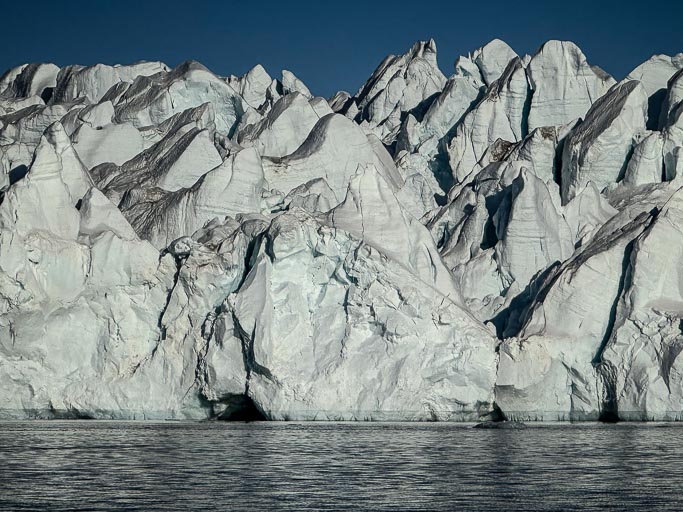
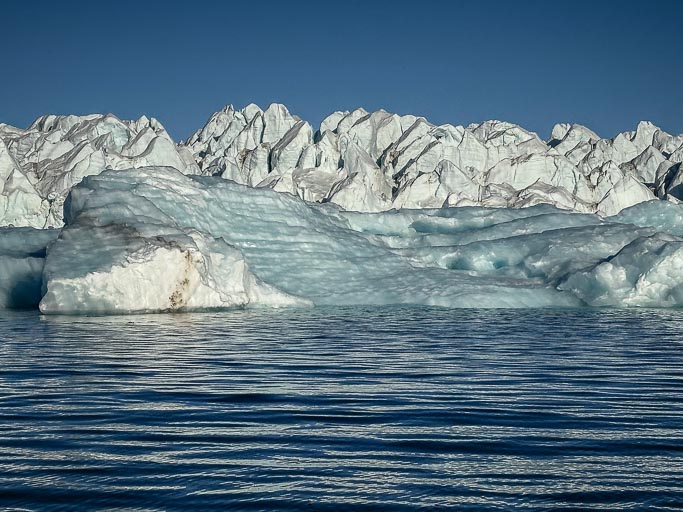
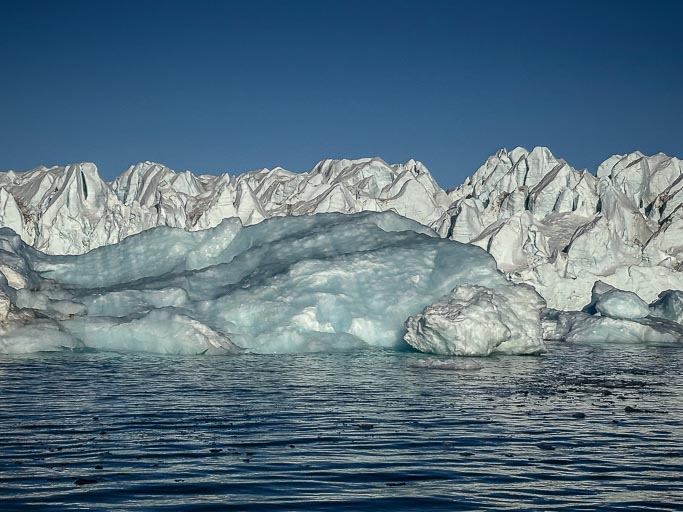
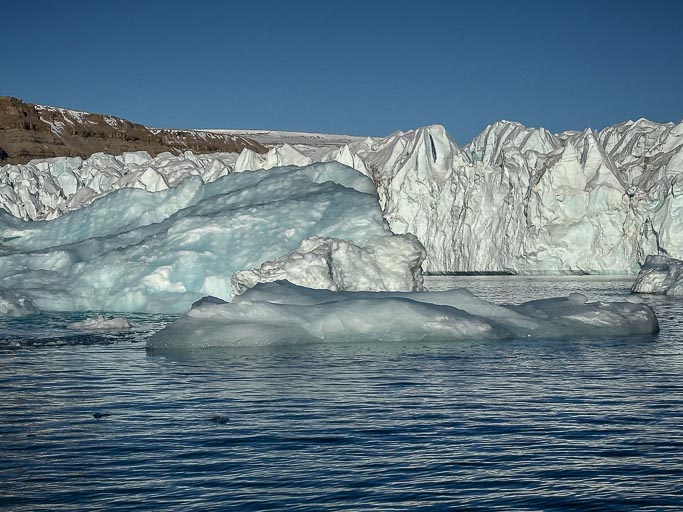
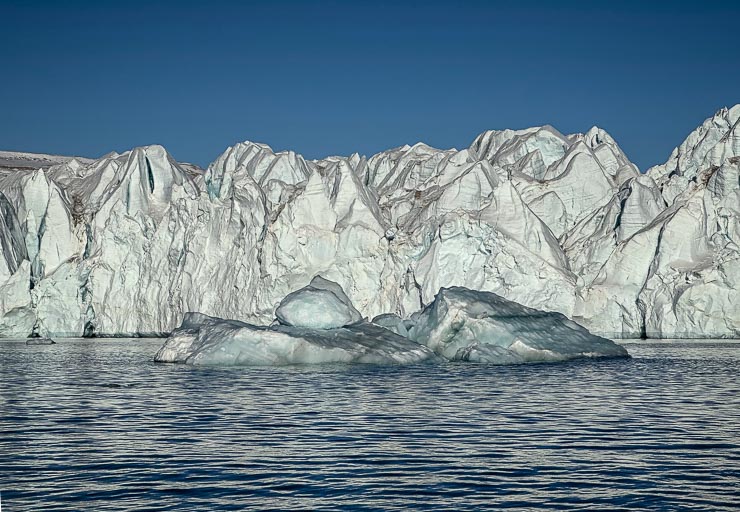
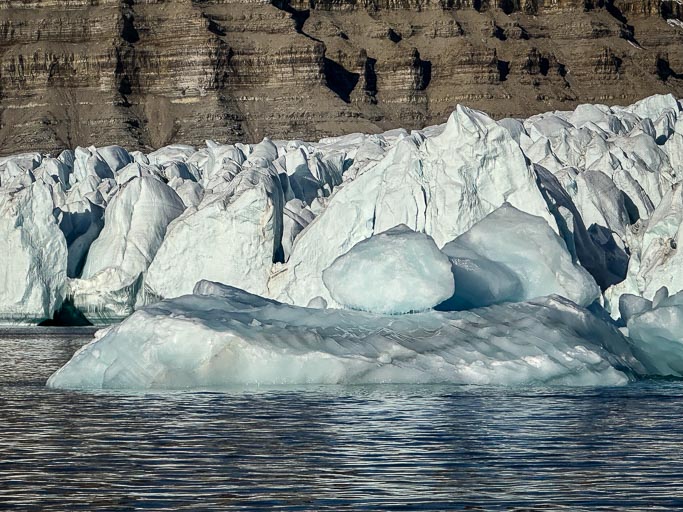
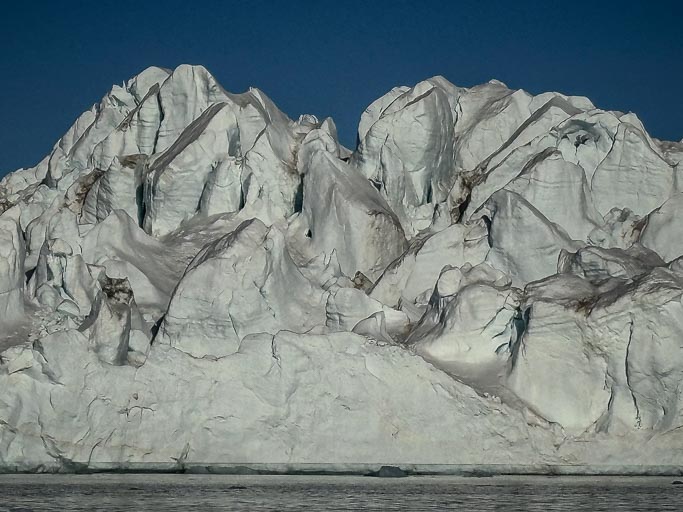
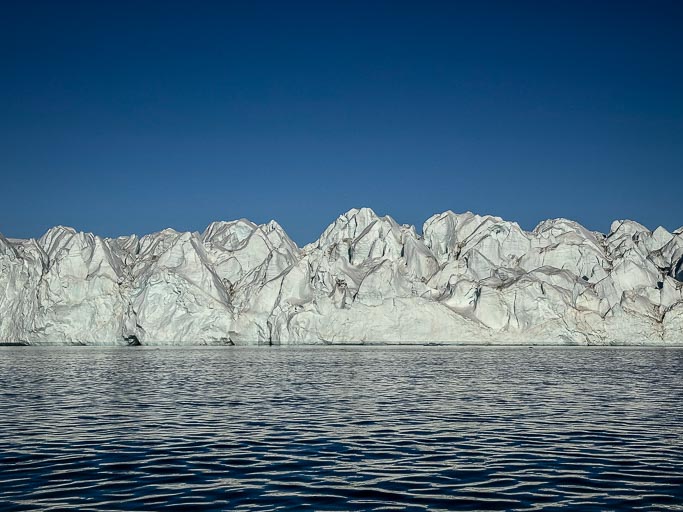
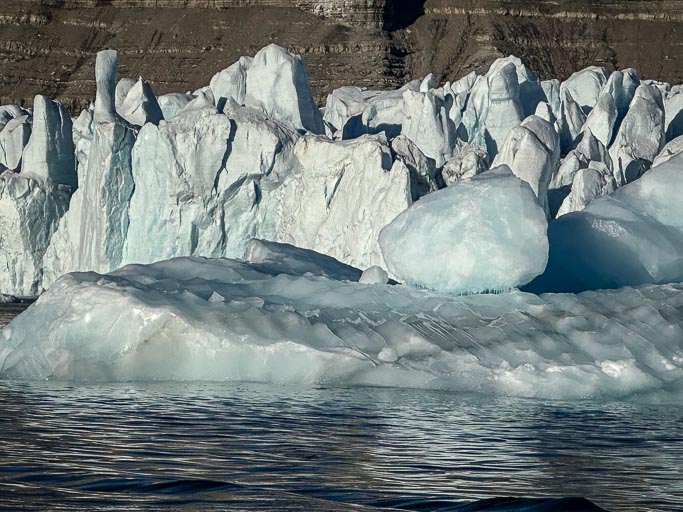
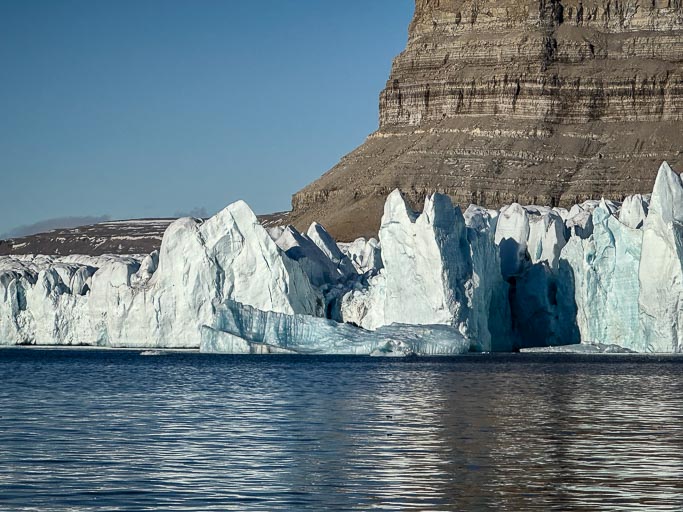
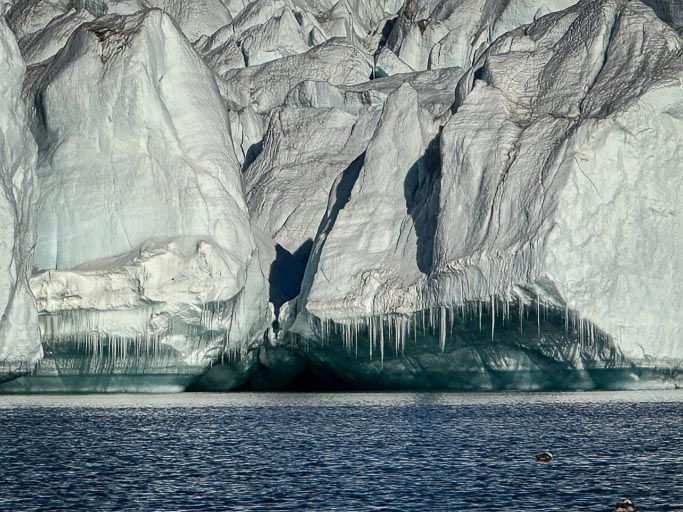
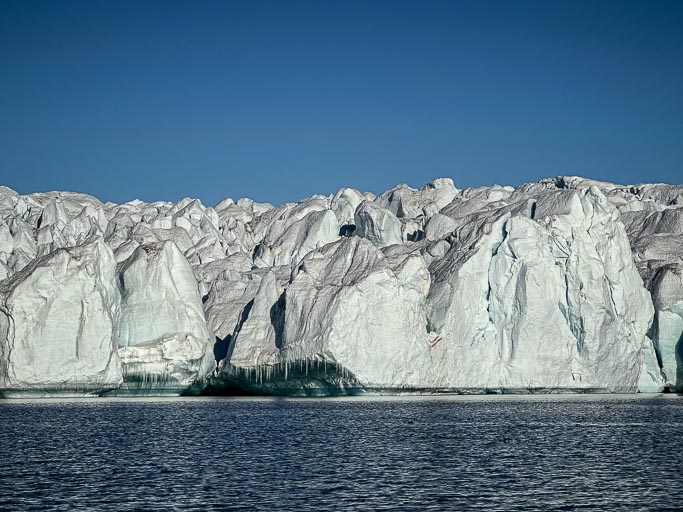
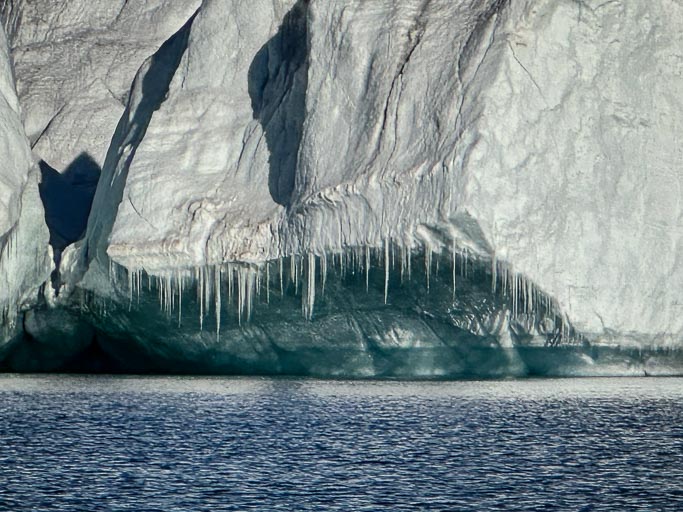
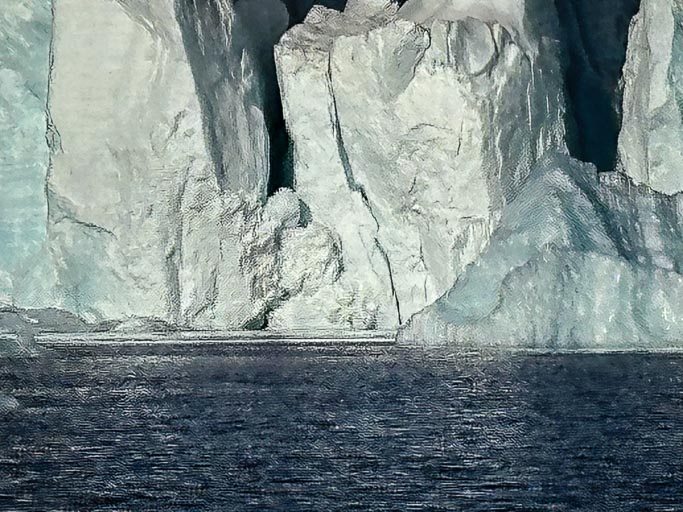
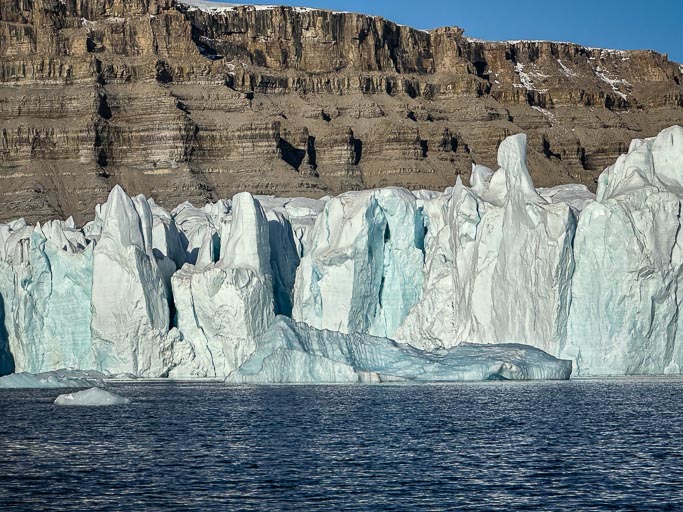
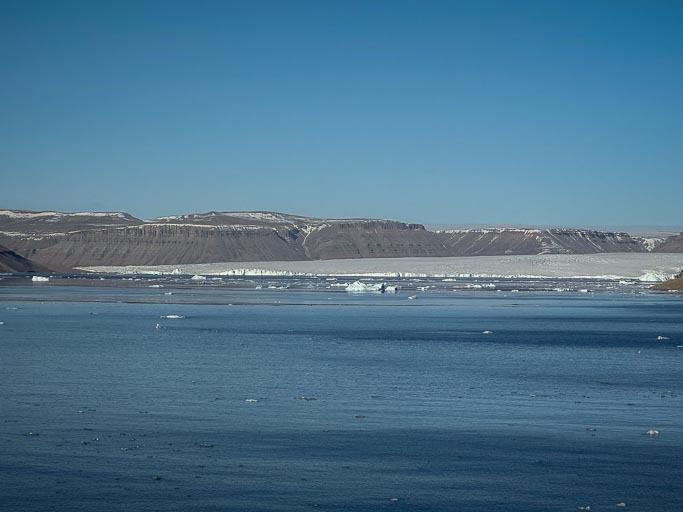
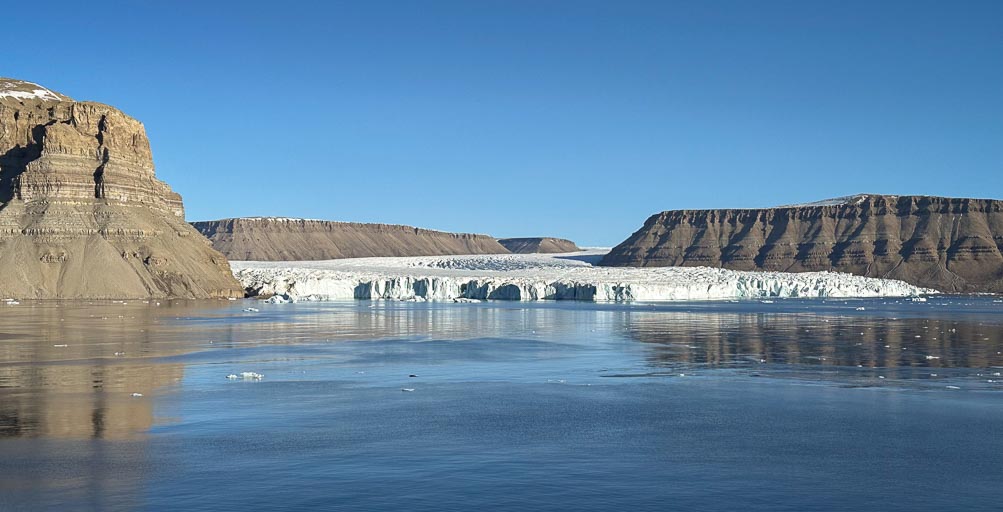
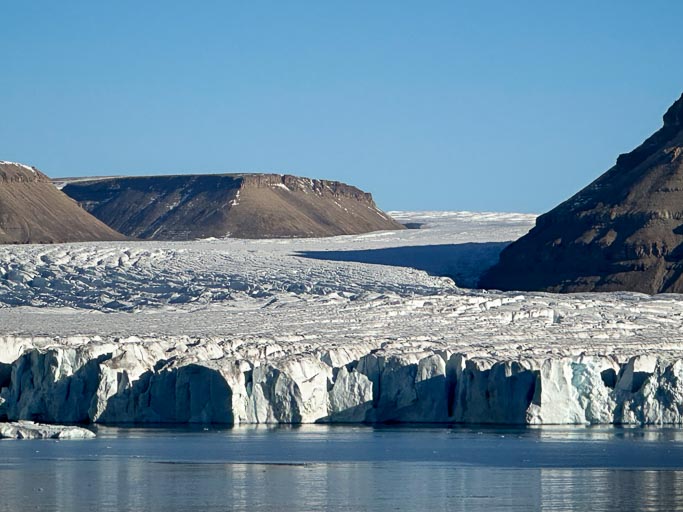
Croker Bay liegt an der südöstlichen Küste von Devon Island in Nunavut, Kanada. Die Bucht ist Teil eines beeindruckenden Fjordsystems, das sich rund 40 km tief in die Insel einschneidet und etwa 15 km breit ist. Am Kopf der Bucht mündet ein mächtiger Auslassgletscher – häufig „Croker Glacier“ genannt –, dessen Gletscherfront etwa 3,5 km breit ist.
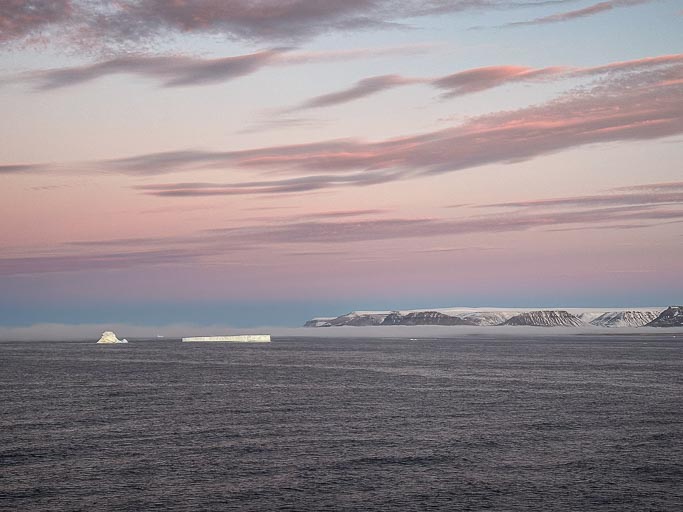
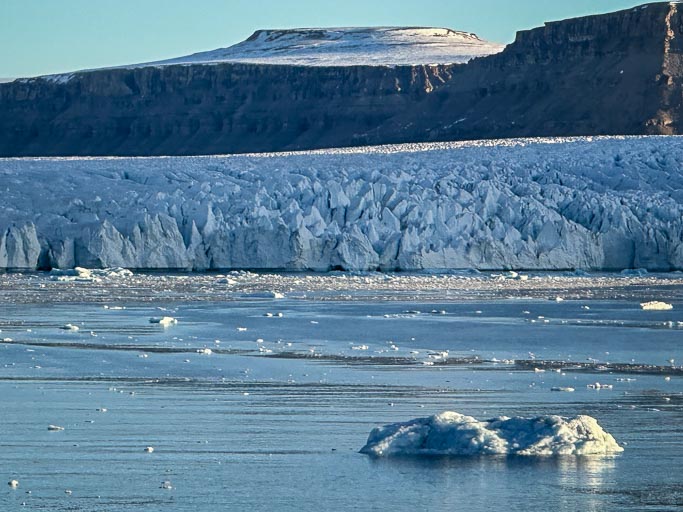
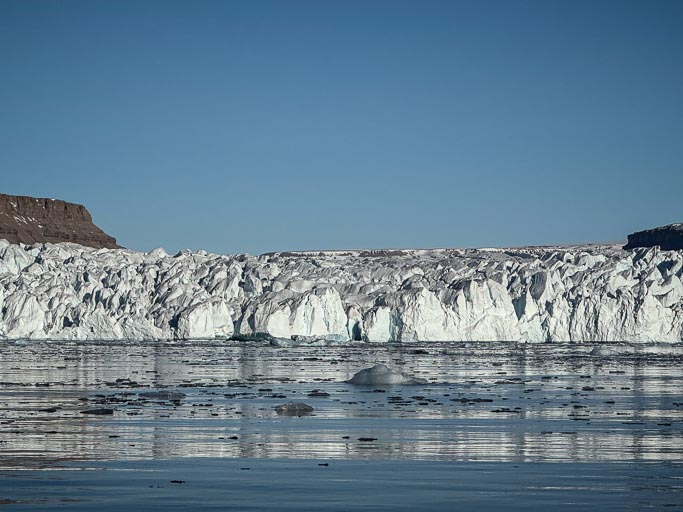
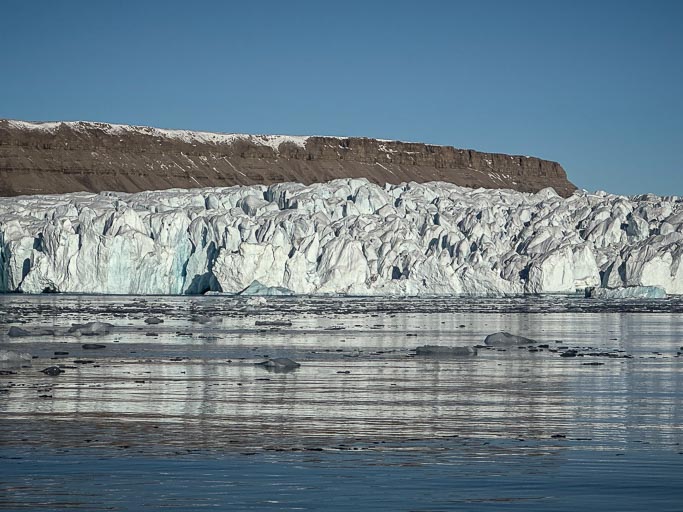
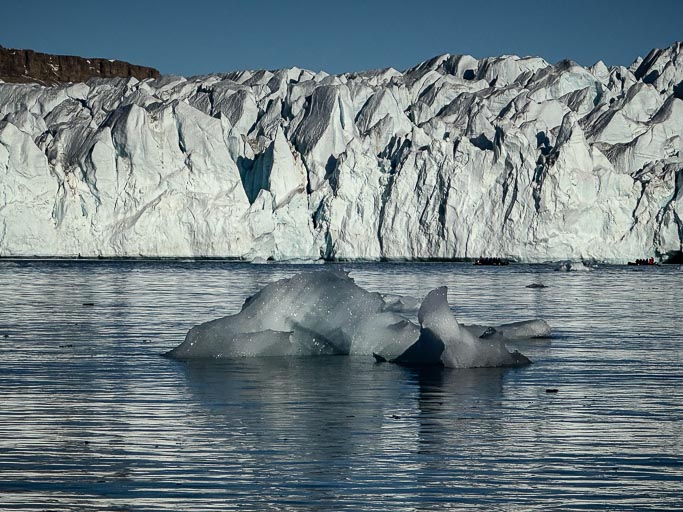
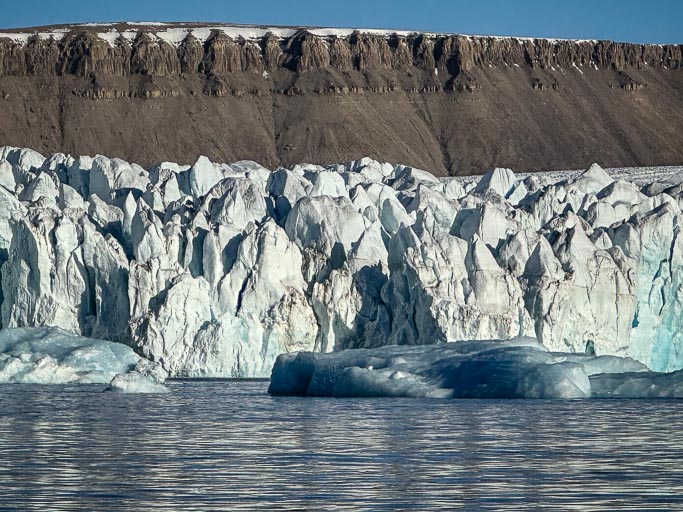
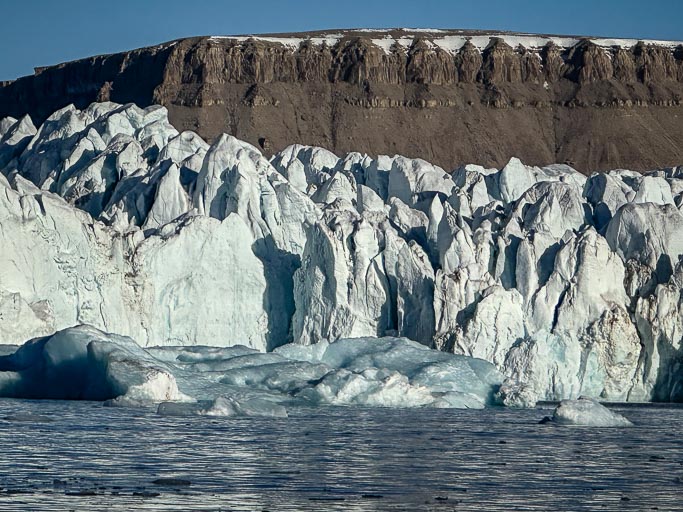
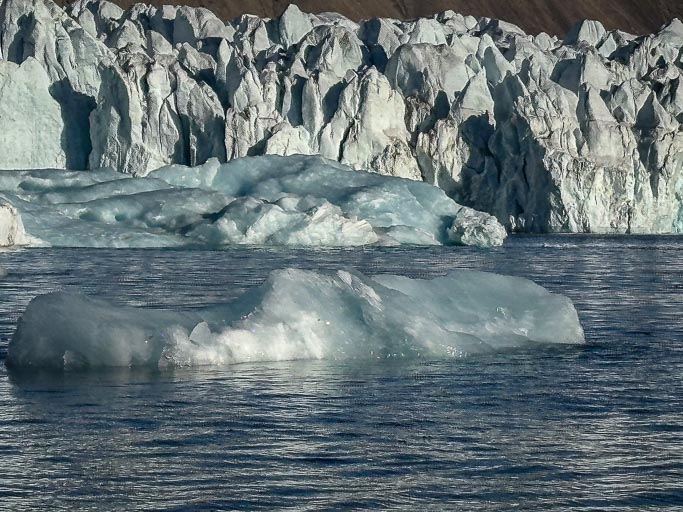
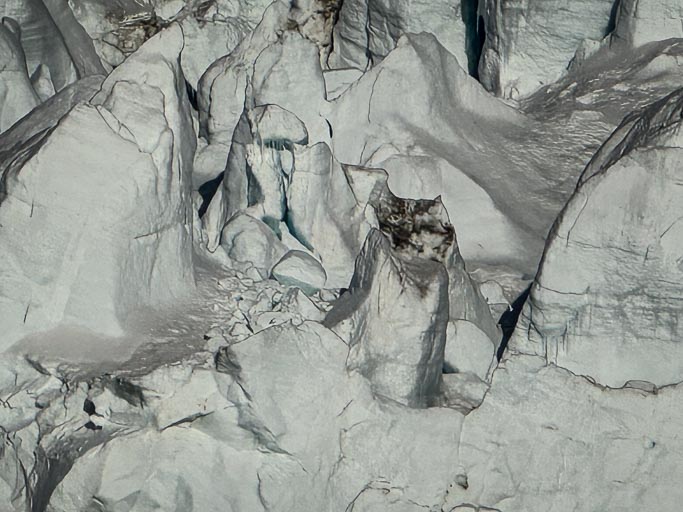
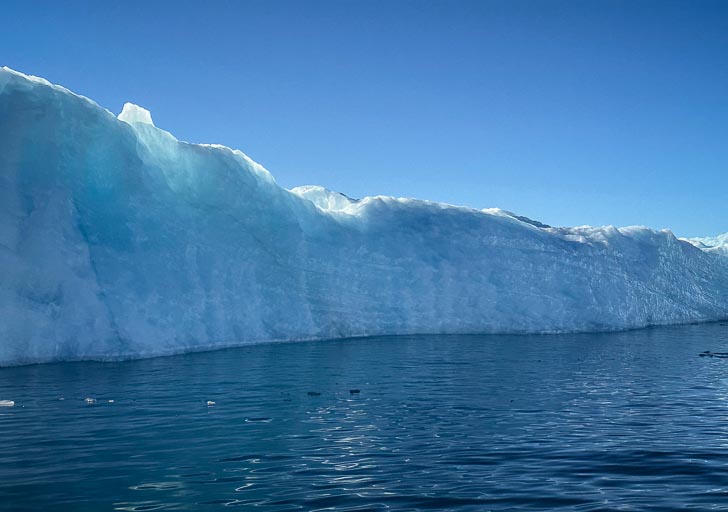
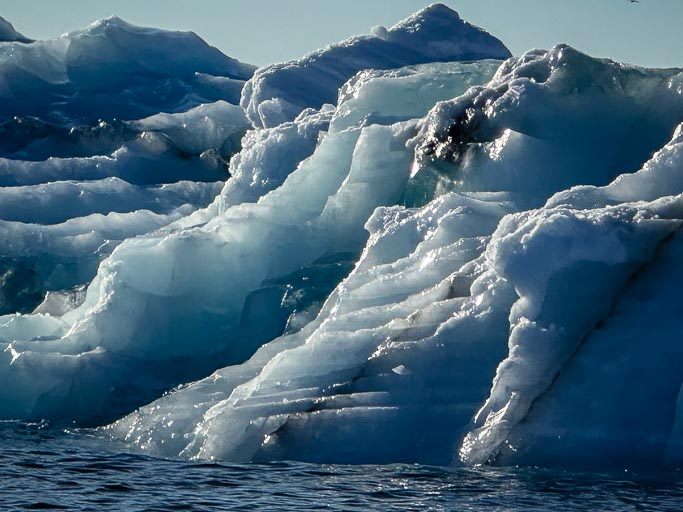
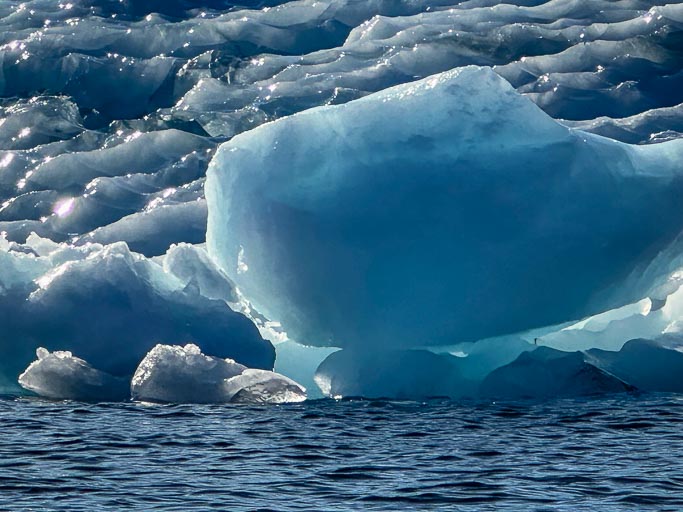
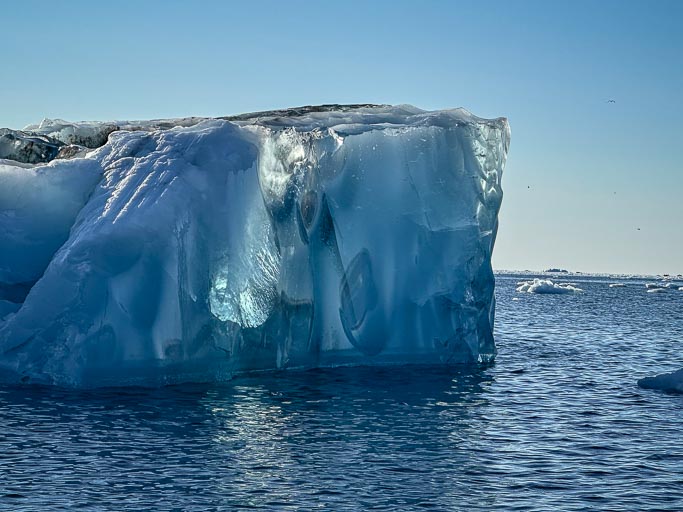
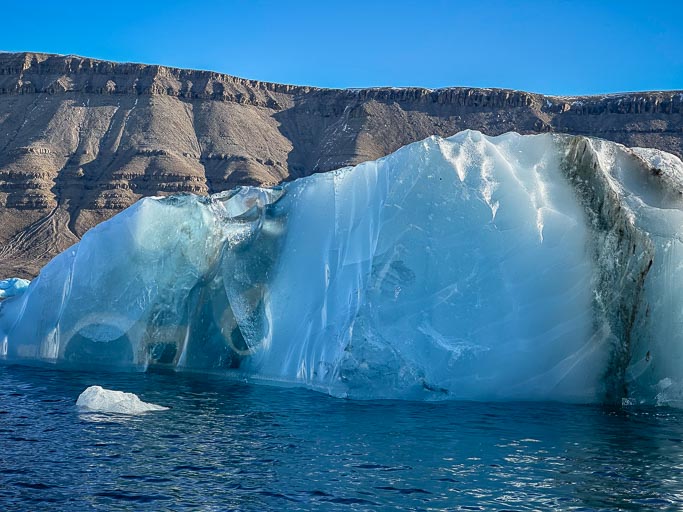
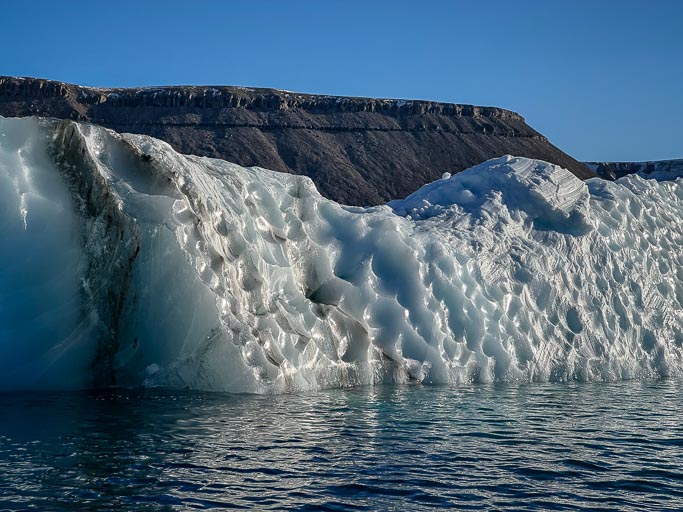
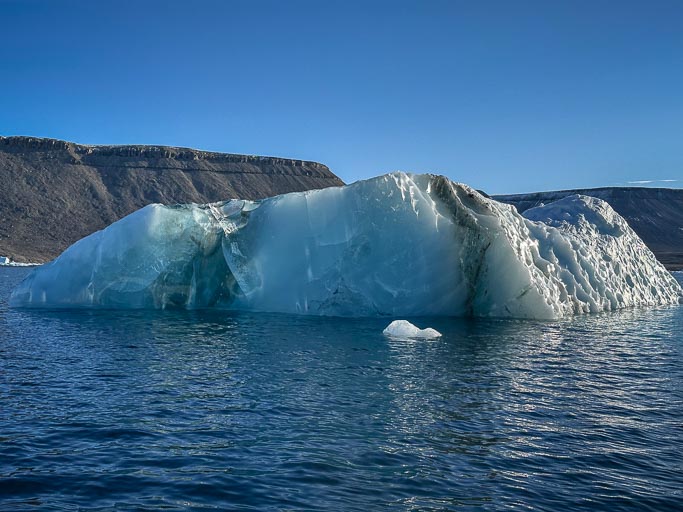
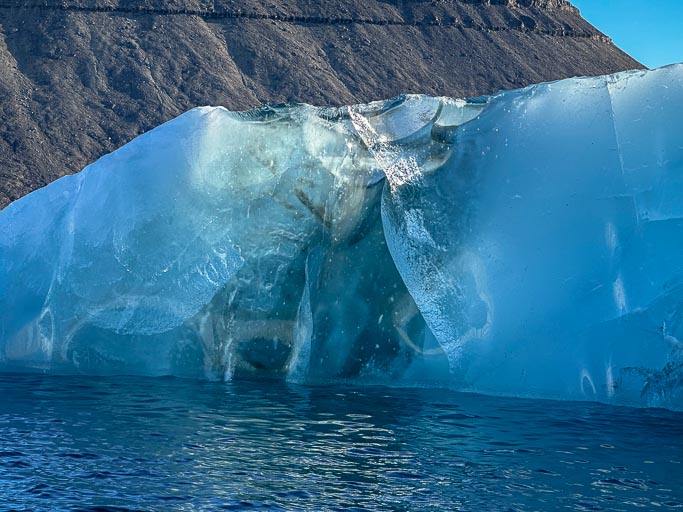
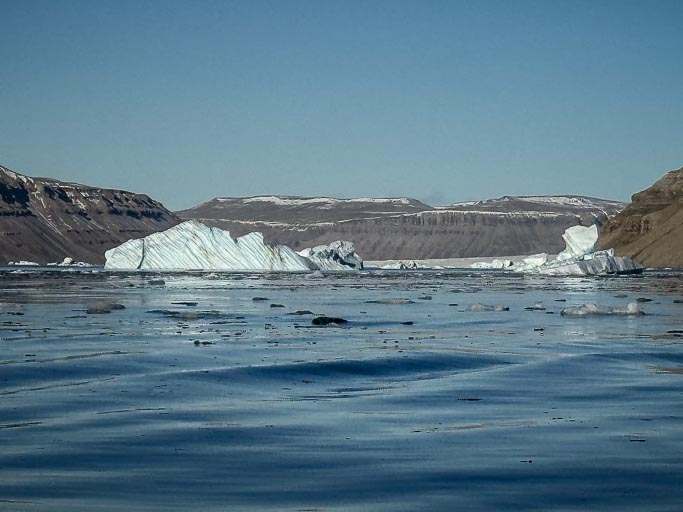
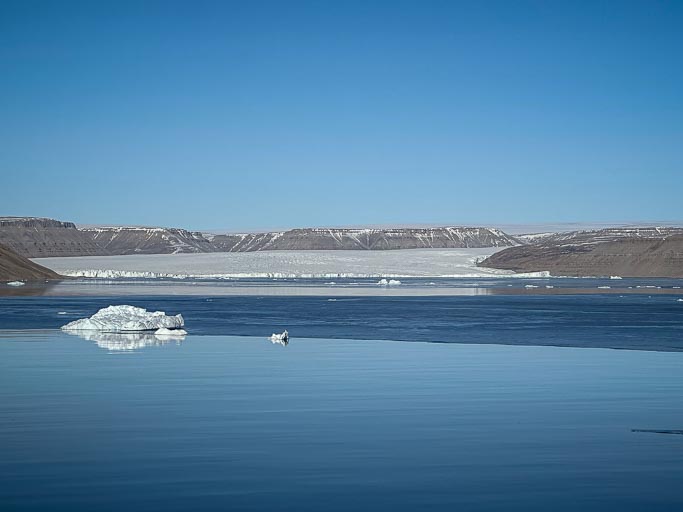
Der Gletscher gehört zum Devon Ice Cap, einem der wichtigsten Eisschilde der kanadischen Arktis. In diesem Gebiet können die Eisdicken bis zu 880 m erreichen. Das Gletscherbecken, das den Fjord speist, umfasst eine Fläche von etwa 2 170 km² (Stand 1999). Durch regelmäßiges Kalben füllt Treibeis die Bucht, oft mit eindrucksvollen Eisbergen unterschiedlicher Größe.
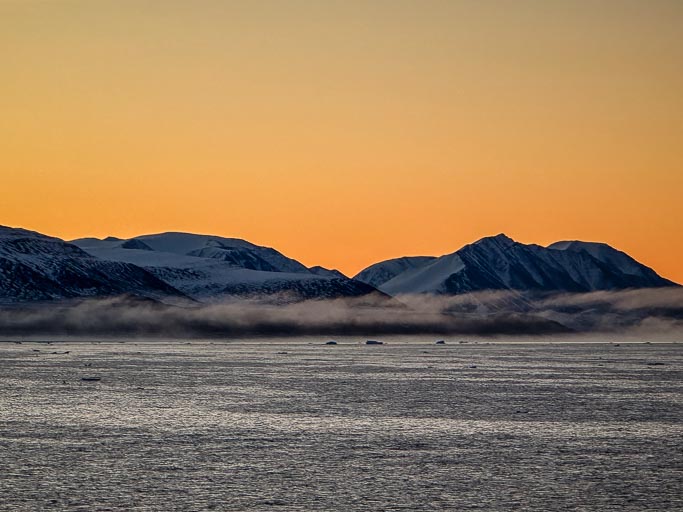
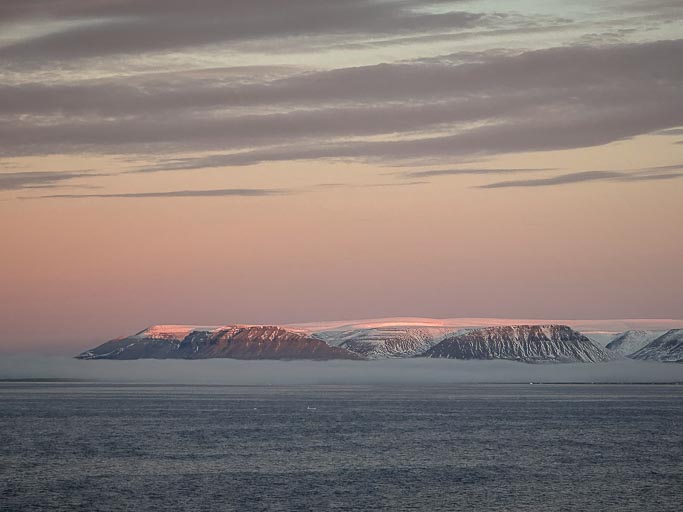
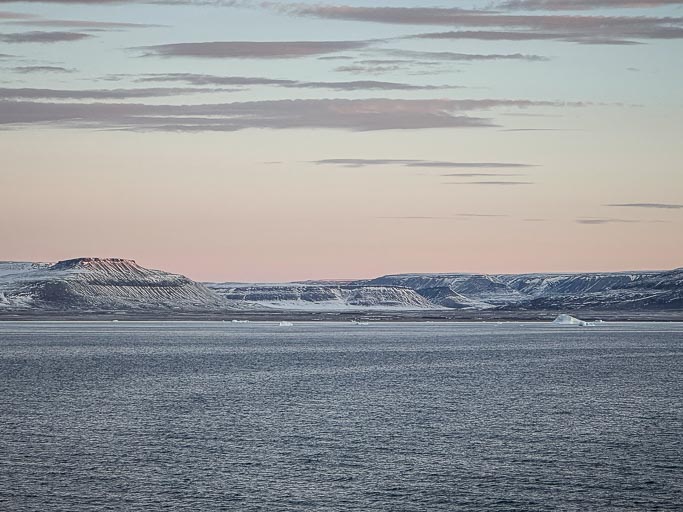
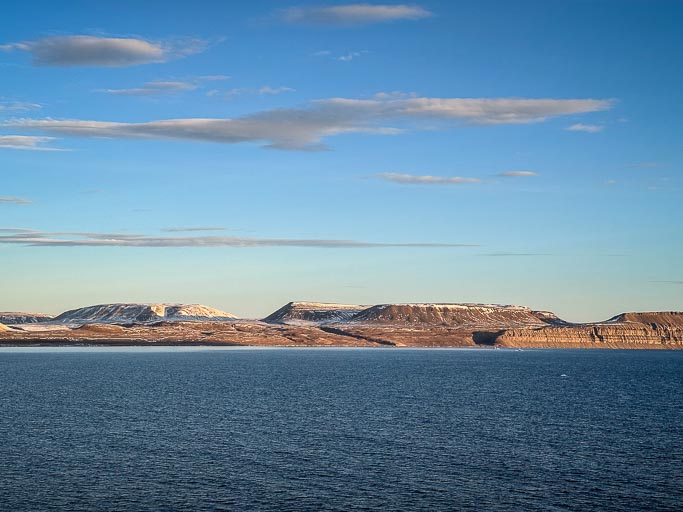
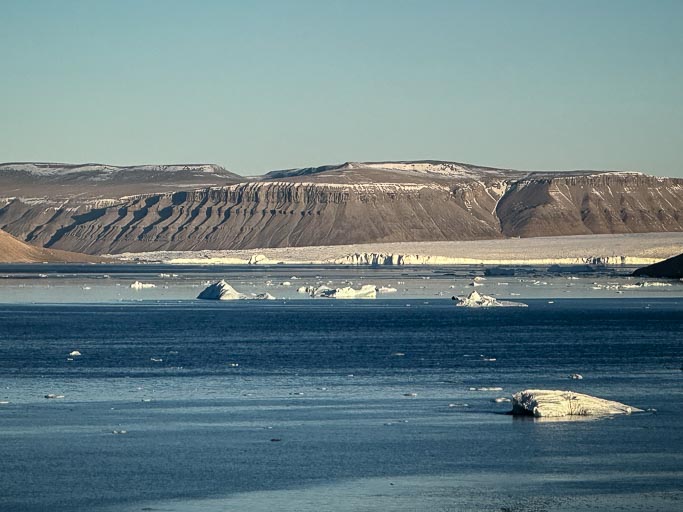
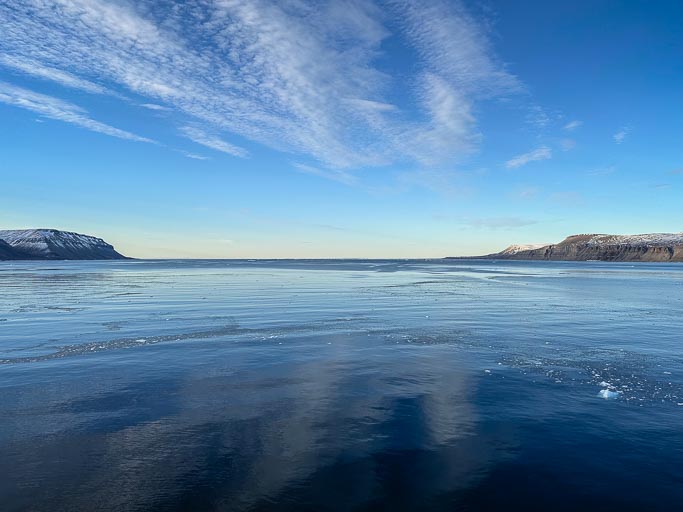
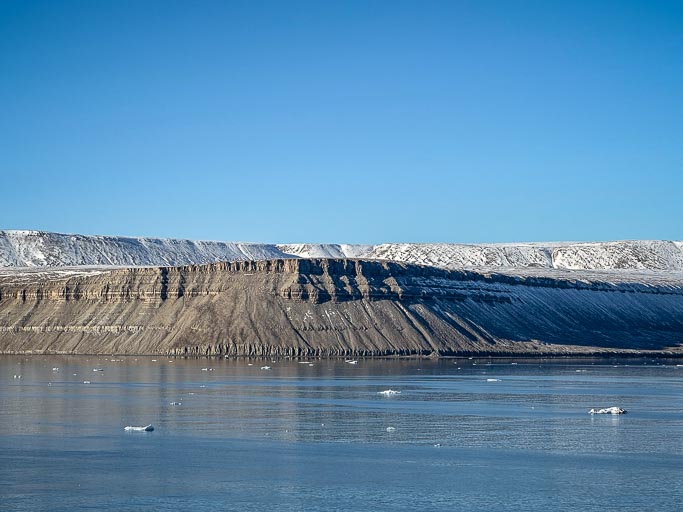
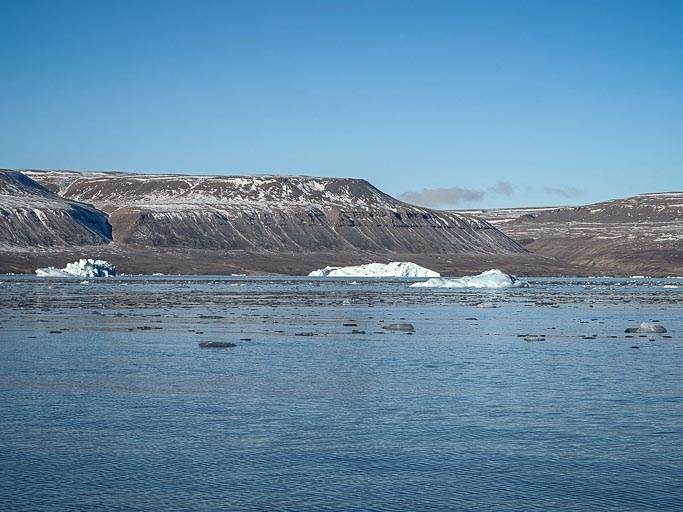
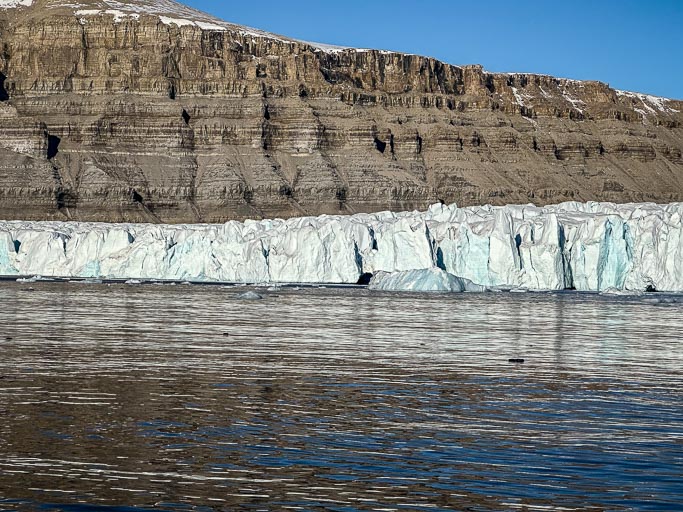
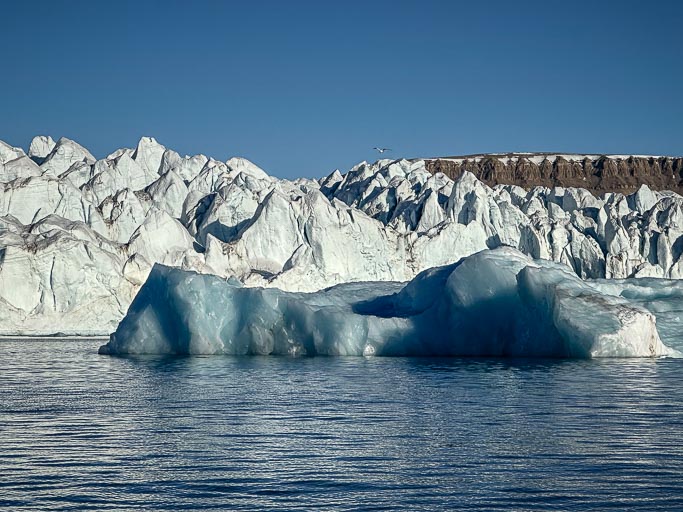
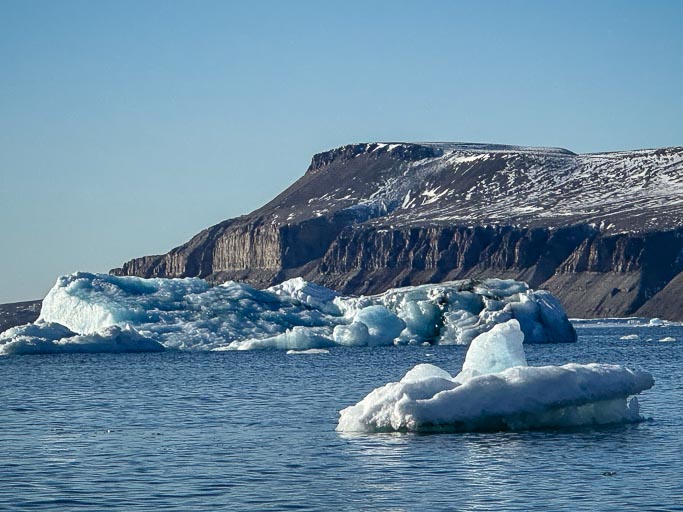
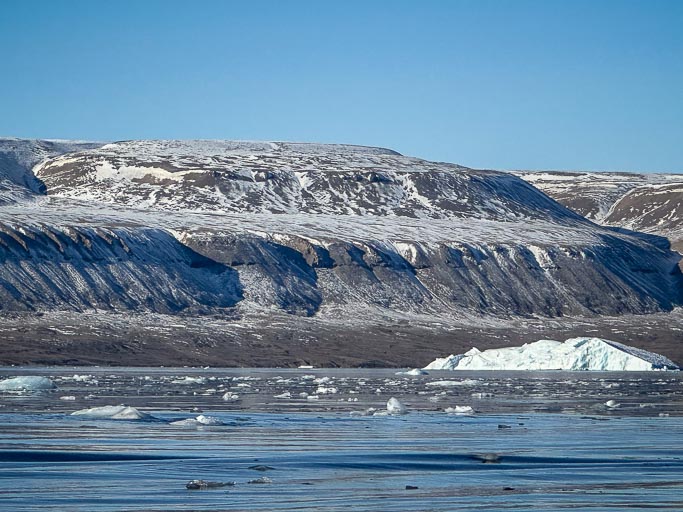
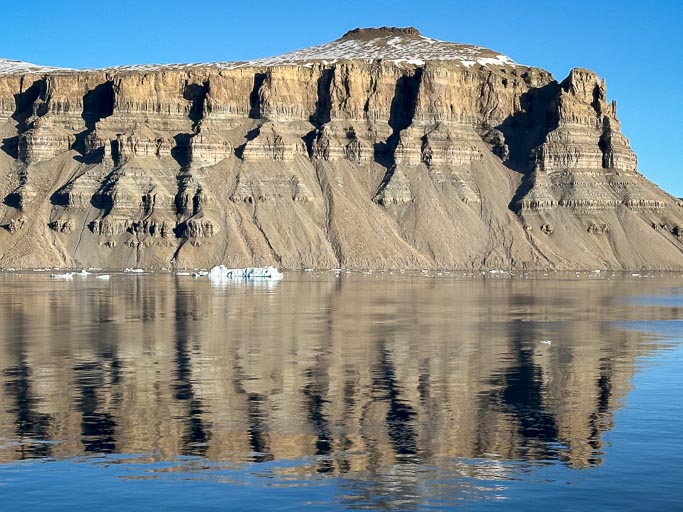
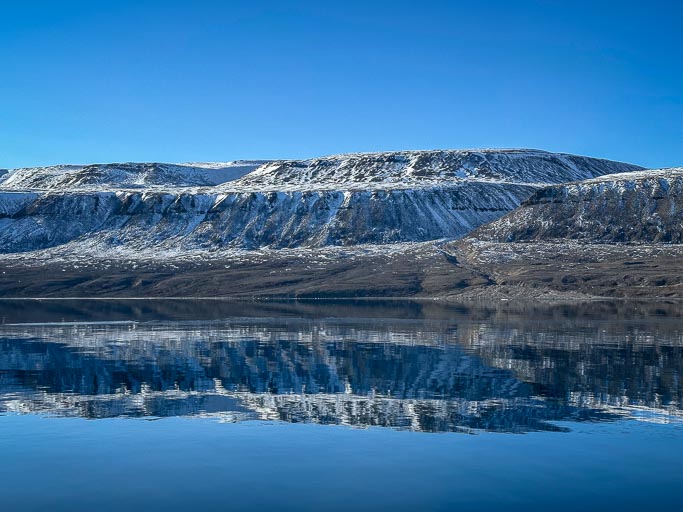
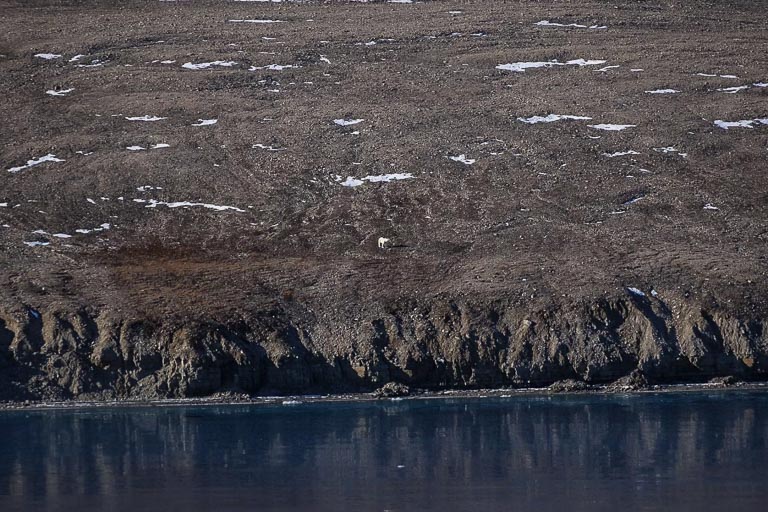
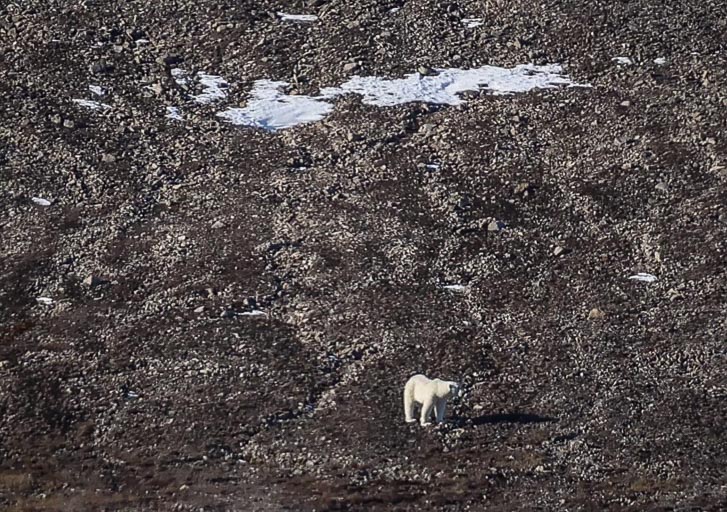
Die Umgebung von Croker Bay zählt zu den landschaftlich spektakulärsten Regionen der Arktis: steile Felswände, weitläufige Tundra und das tiefblaue Wasser der Bucht prägen das Bild. Außerdem ist die Region reich an arktischer Tierwelt – darunter Eisbären, Robben, Walrosse, Polarfüchse und verschiedene Vogelarten.
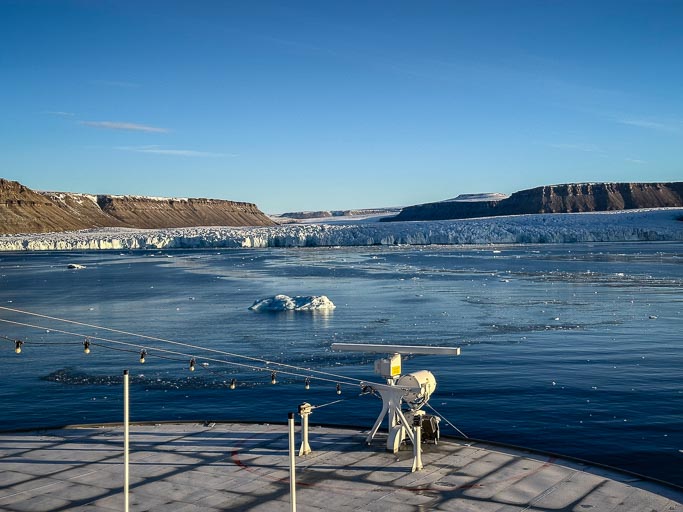
Heute wird Croker Bay häufig von Expeditionsschiffen besucht und ist zugleich ein wertvolles Forschungsgebiet, da die geologischen und klimatischen Bedingungen der Region an jene auf dem Mars erinnern.
Bilder einer Reise in 2025...
Croker Bay lies on the southeastern coast of Devon Island in Nunavut, Canada. The bay is part of an impressive fjord system that cuts approximately 40 km deep into the island and is about 15 km wide. At the head of the bay flows a massive outlet glacier—commonly called the “Croker Glacier”—with a glacier front around 3.5 km wide.
The glacier is part of the Devon Ice Cap, one of the most important ice caps in the Canadian Arctic. In this region, ice thickness can reach up to 880 m. The glacier basin feeding the fjord covers an area of approximately 2,170 km² (as of 1999). Regular calving events fill the bay with drift ice, often accompanied by impressive icebergs of various sizes.
The surroundings of Croker Bay are among the most spectacular landscapes in the Arctic: steep cliffs, vast tundra, and the deep blue waters of the bay dominate the scenery. The region is also rich in Arctic wildlife, including polar bears, seals, walruses, Arctic foxes, and a variety of bird species.
Today, Croker Bay is frequently visited by expedition ships and serves as a valuable research area, as the geological and climatic conditions here resemble those found on the Mars.
Photos from a 2025 expedition...