Belgien
Belgien
Antwerpen – eine Stadt zwischen Hafen, Handel und Kulturen
Antwerpen ist mit rund 565.000 Einwohnern die größte Stadt Flanderns und eine der vielfältigsten Städte Belgiens. Menschen aus rund 173 verschiedenen Nationalitäten leben hier. Mehr als die Hälfte der Bevölkerung hat eine nicht-belgische Herkunft. Diese internationale Mischung prägt das Gesicht der Stadt ebenso wie ihre lange Geschichte als Handels- und Hafenstadt.
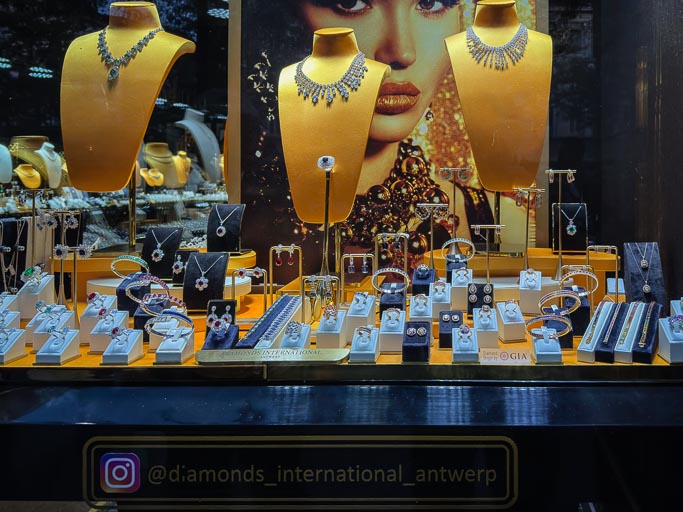
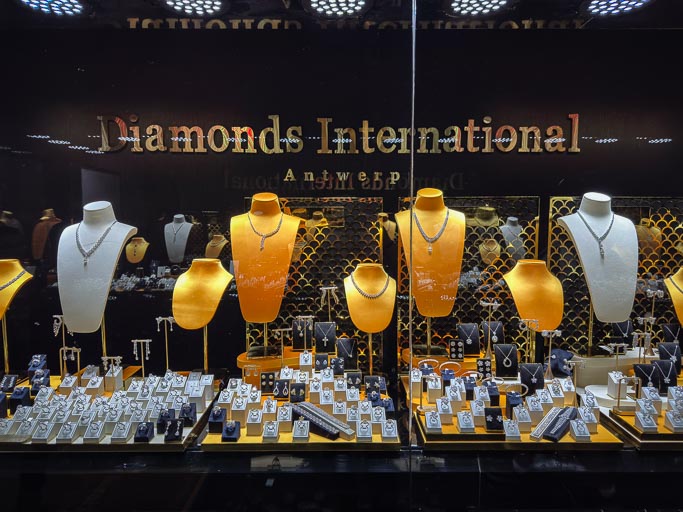
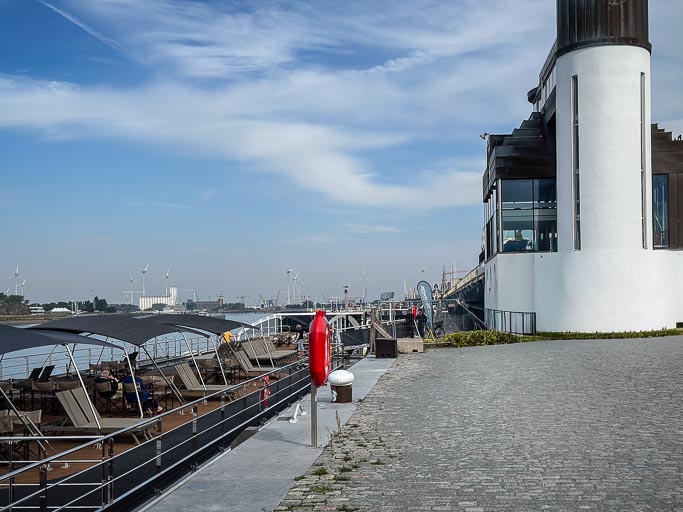
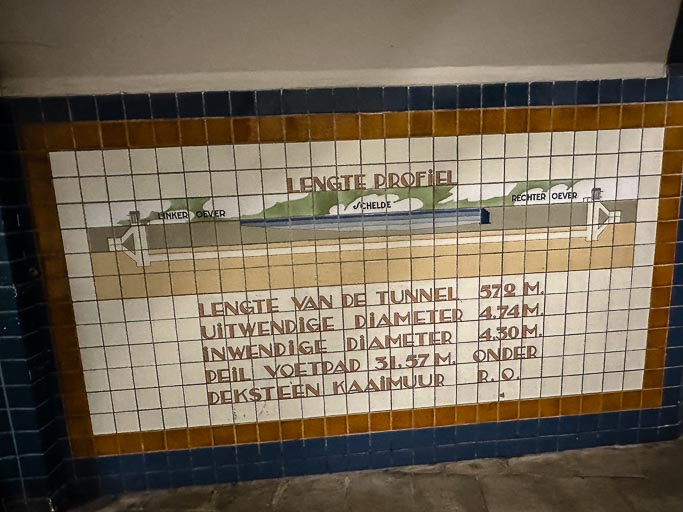
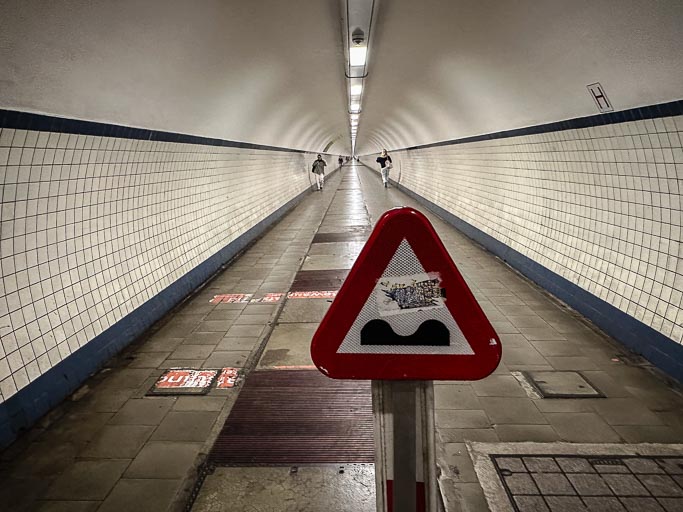
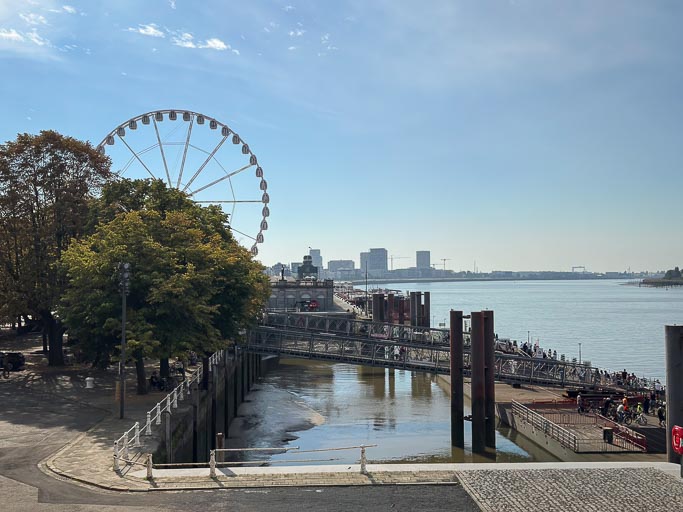
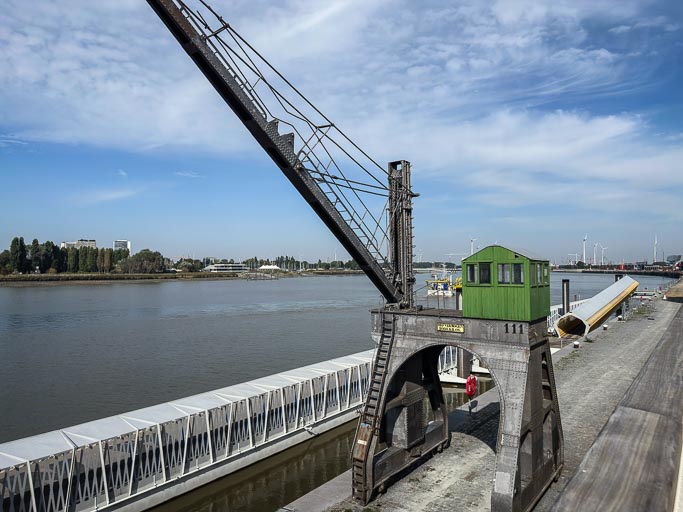
Die Schelde und der Hafen haben Antwerpen über Jahrhunderte geprägt. Der Hafen gehört heute zu den bedeutendsten Europas und verbindet die Stadt mit der ganzen Welt. Handel war dabei schon immer ein Motor der Stadtentwicklung: Gewürze, Waren, Kunst und später Diamanten machten Antwerpen zu einem internationalen Zentrum.
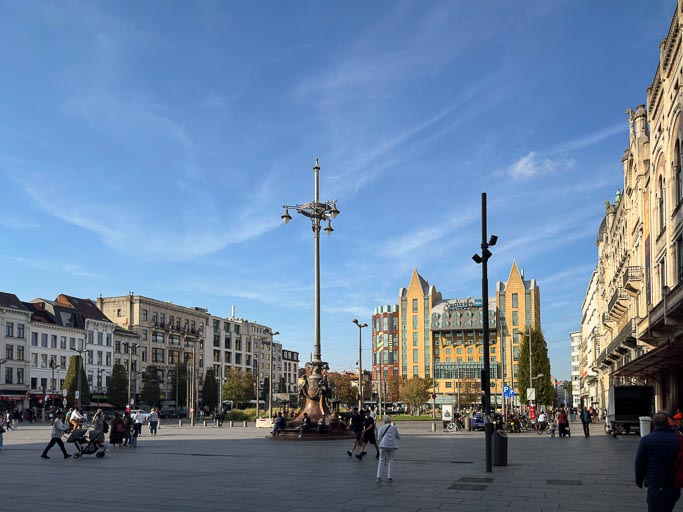
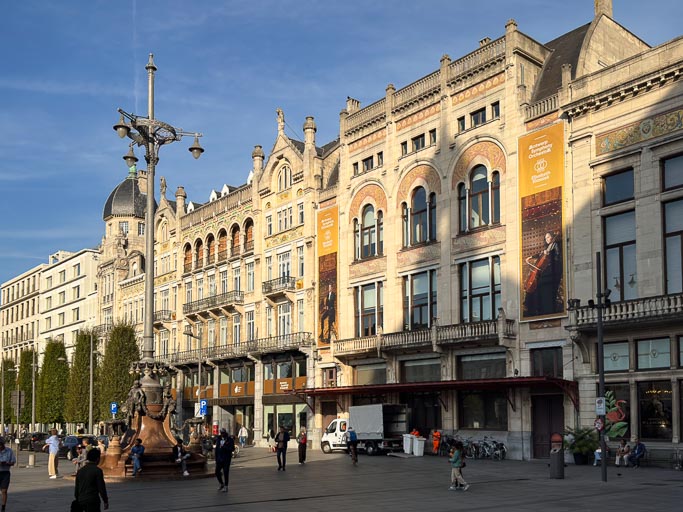
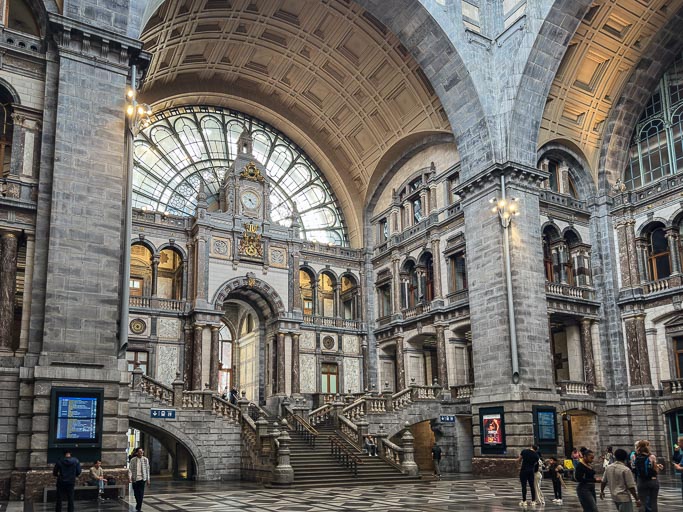
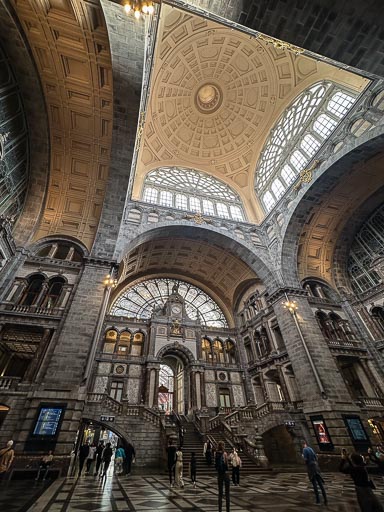
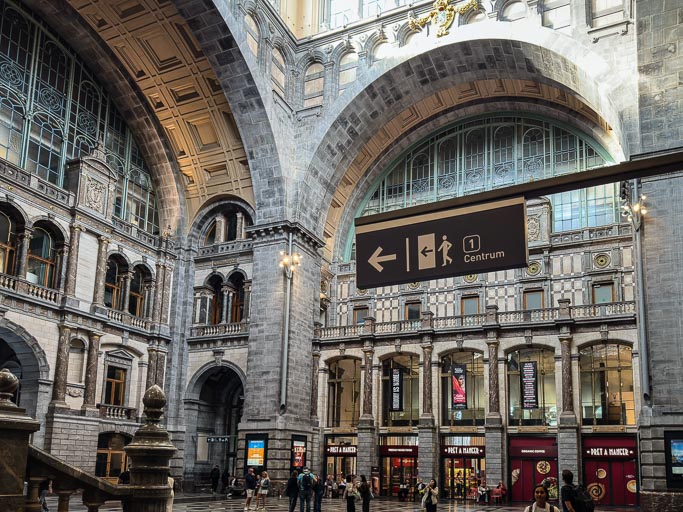
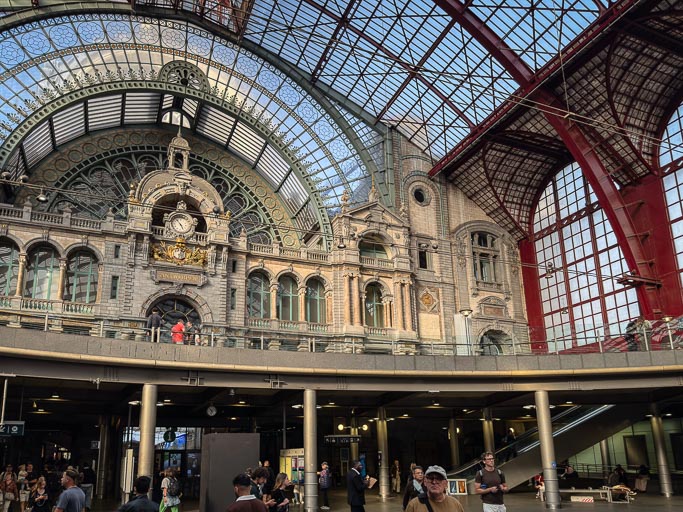
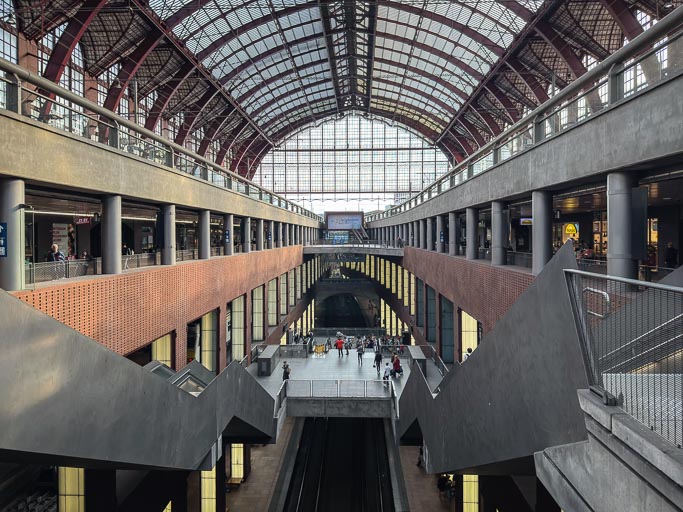
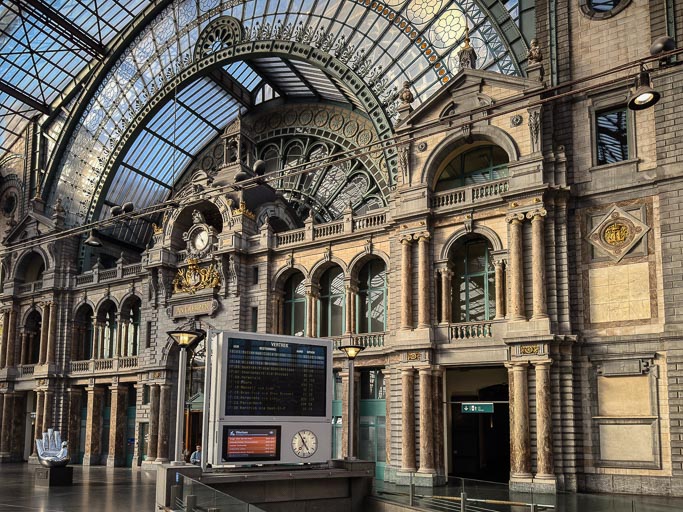
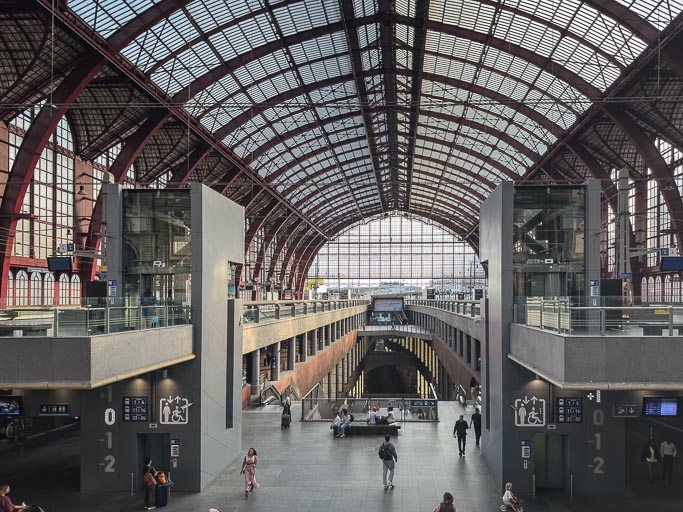
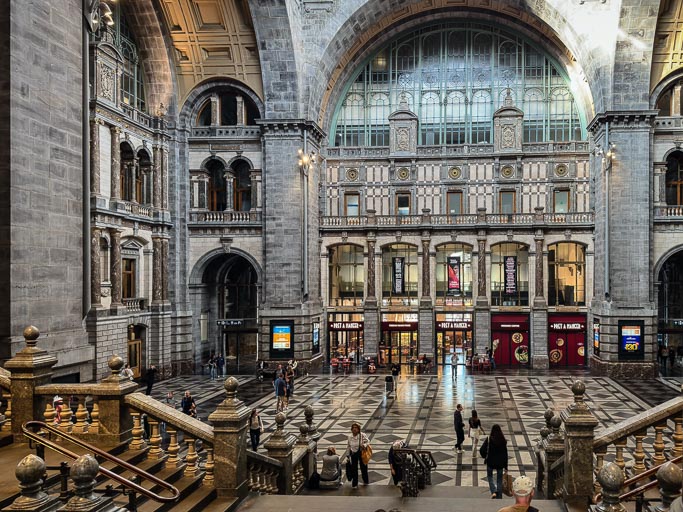
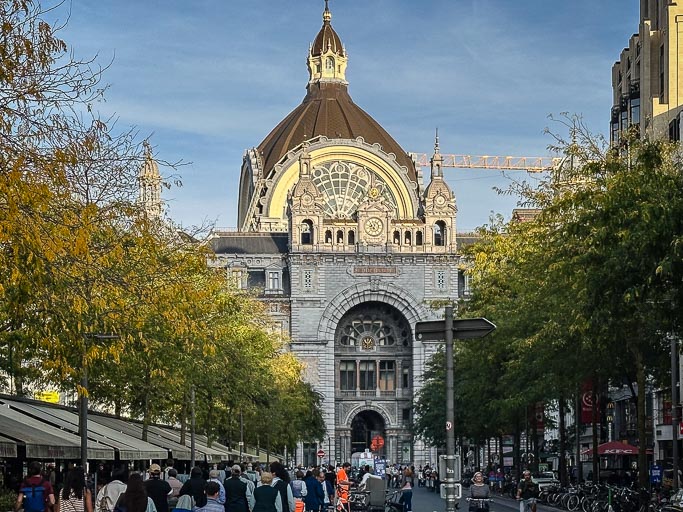
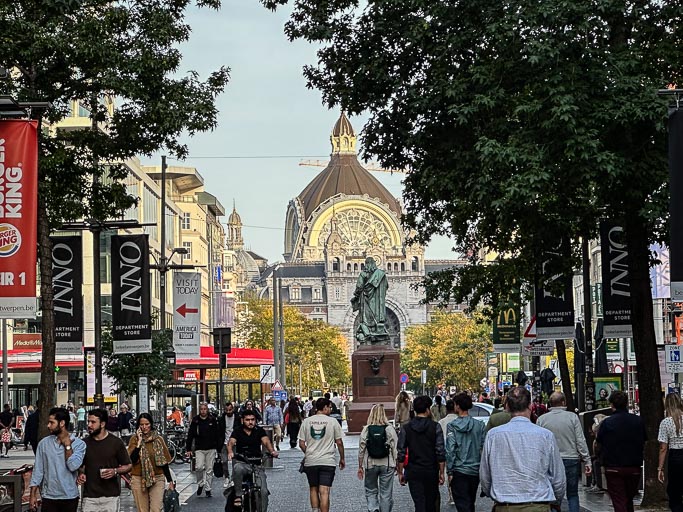
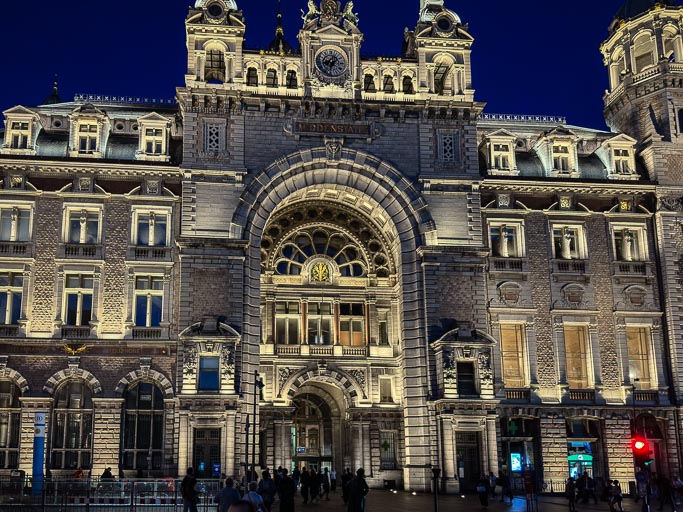
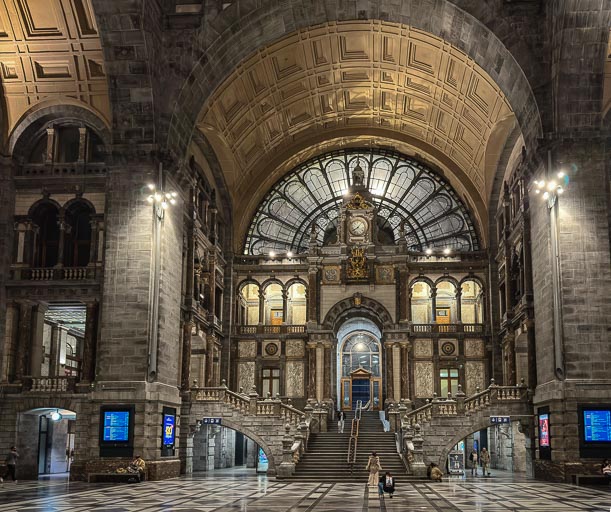
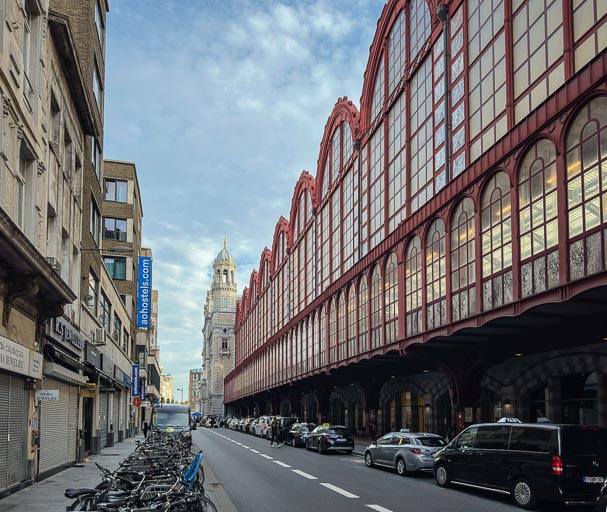
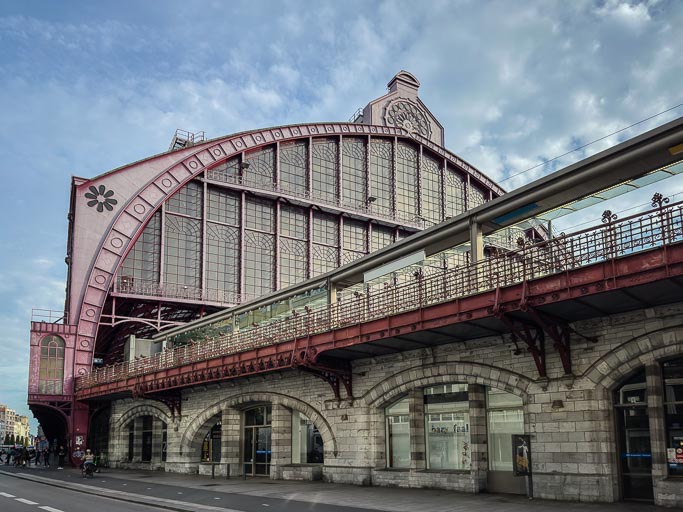
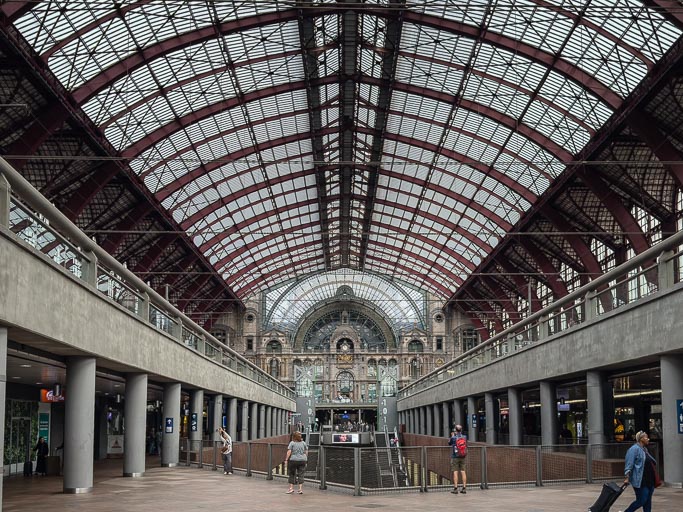
Besonders deutlich wird diese internationale Geschichte rund um den Hauptbahnhof und das Diamantenviertel. Hier befindet sich auch das traditionelle jüdische Zentrum Antwerpens. Eine große jüdische, vielfach orthodoxe und chassidische Gemeinschaft lebt seit Generationen in diesem Teil der Stadt. Synagogen, Schulen, koschere Geschäfte und Restaurants gehören ebenso zum Stadtbild wie die enge Verbindung der jüdischen Gemeinschaft mit dem internationalen Diamantenhandel.
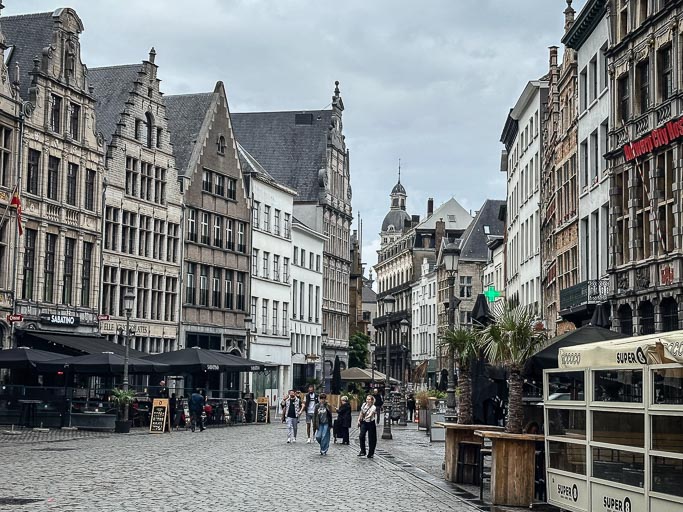
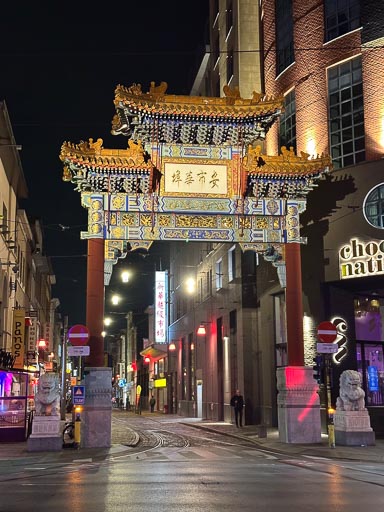
Gleichzeitig ist Antwerpen längst nicht mehr nur eine jüdische und europäische Handelsstadt. Menschen aus Afrika, Asien, dem Nahen Osten und vielen Teilen Europas haben die Stadt mitgeprägt. Besonders rund um den Hauptbahnhof, in Chinatown und in den verschiedenen Stadtvierteln zeigt sich diese kulturelle Vielfalt unmittelbar im Straßenbild, in den Geschäften, Sprachen und Restaurants.
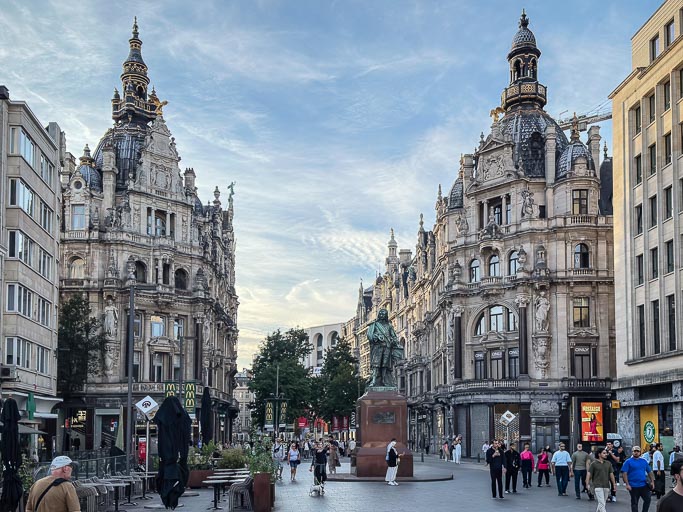
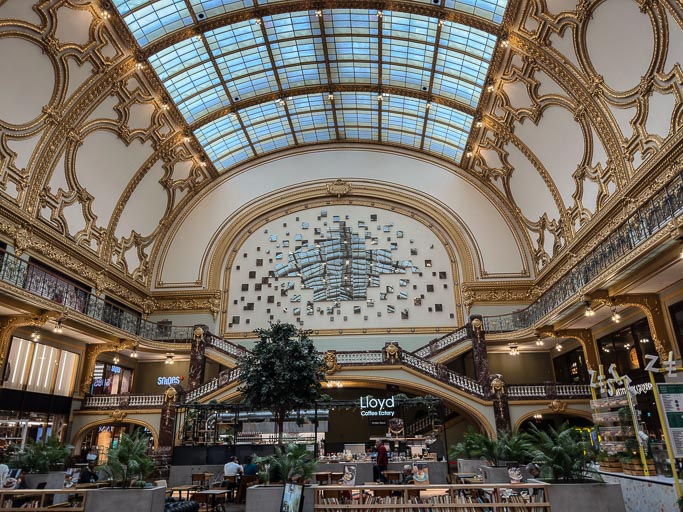
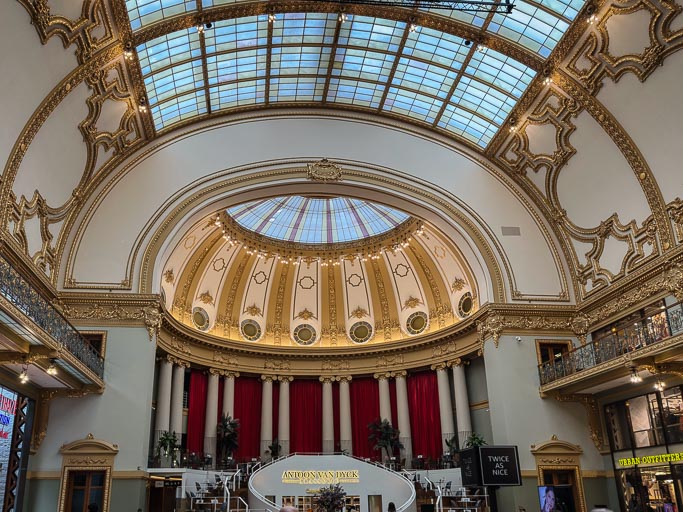
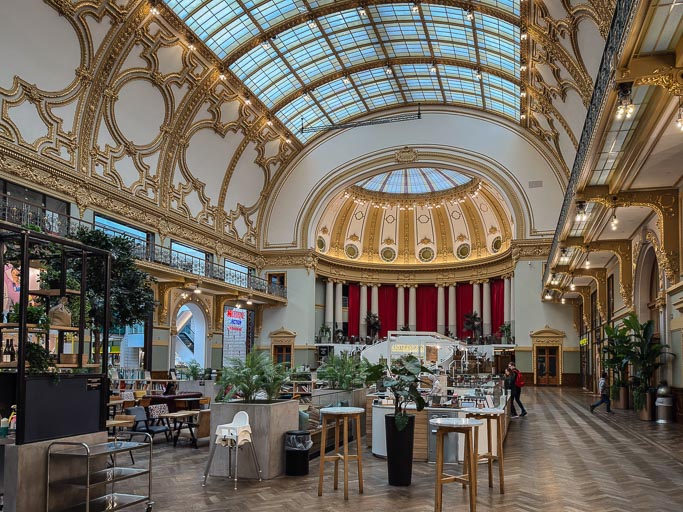
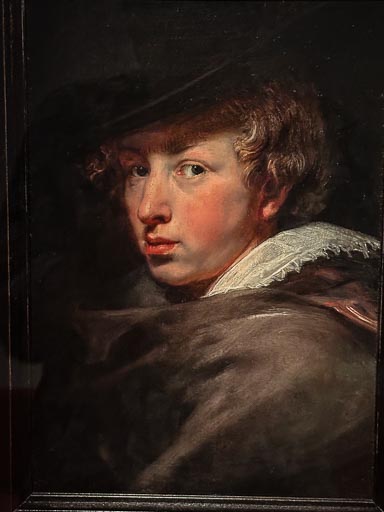
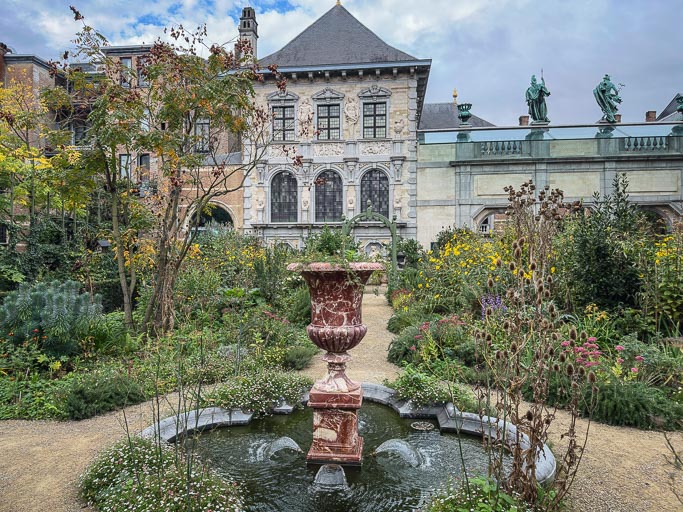
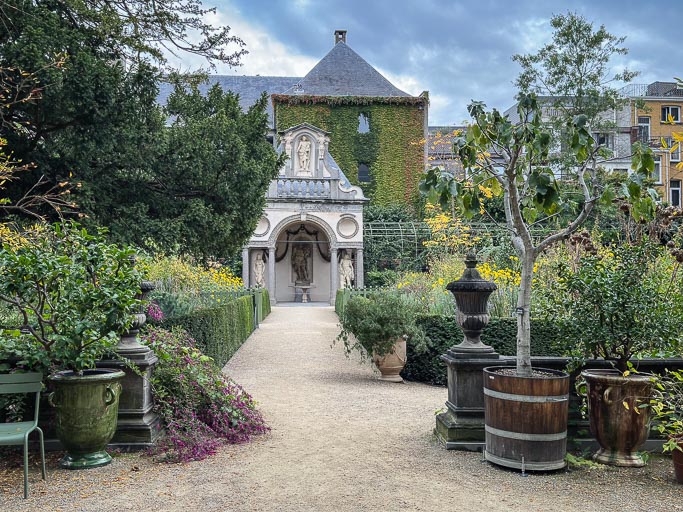
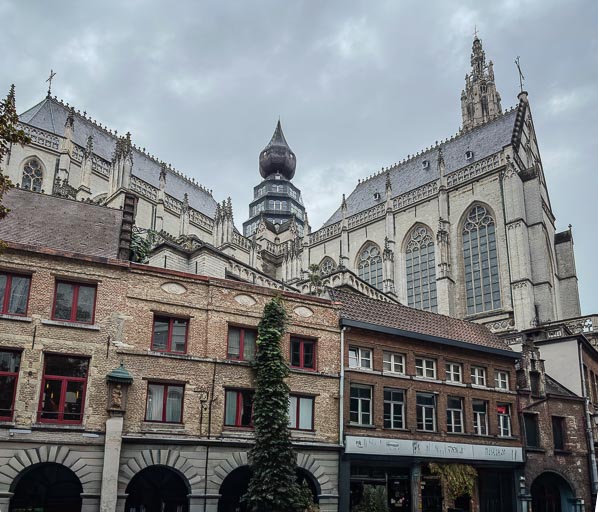
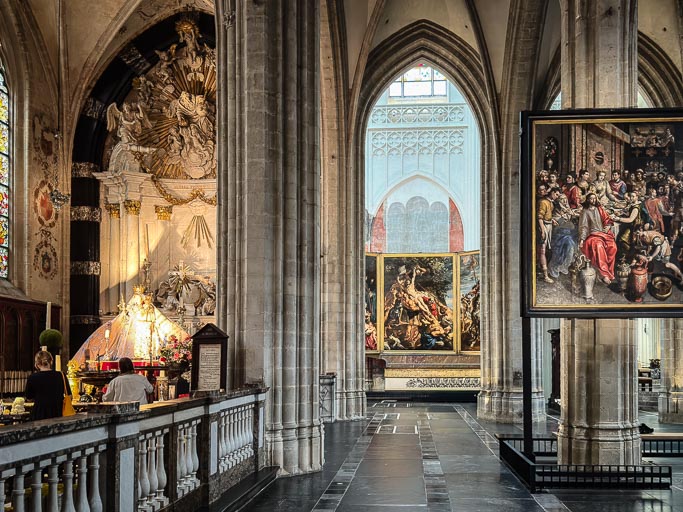
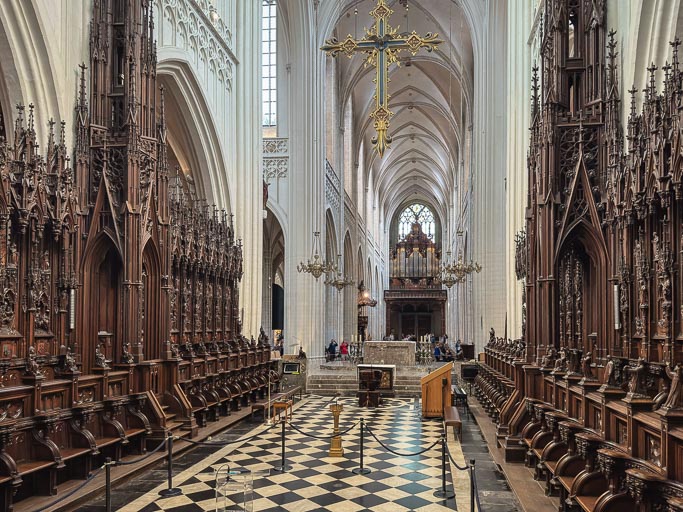
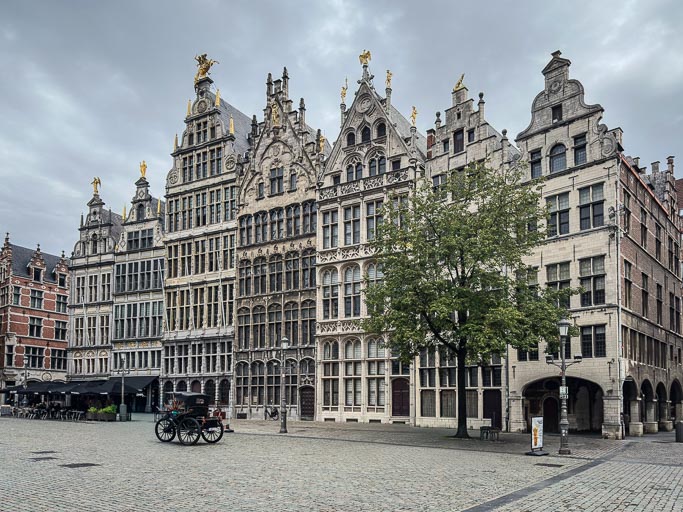
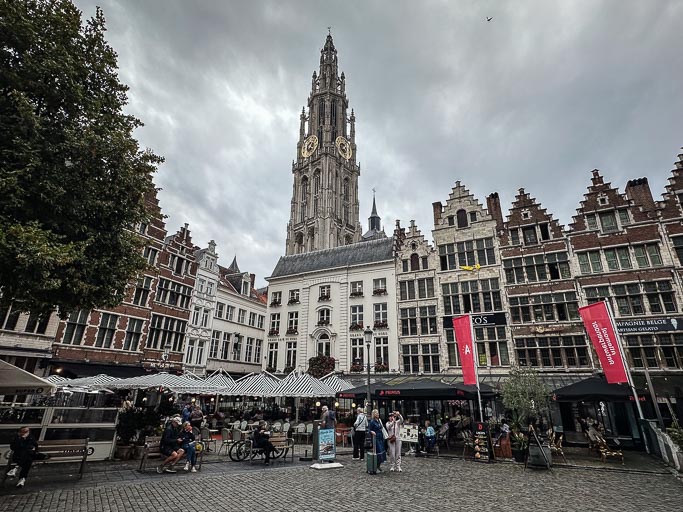
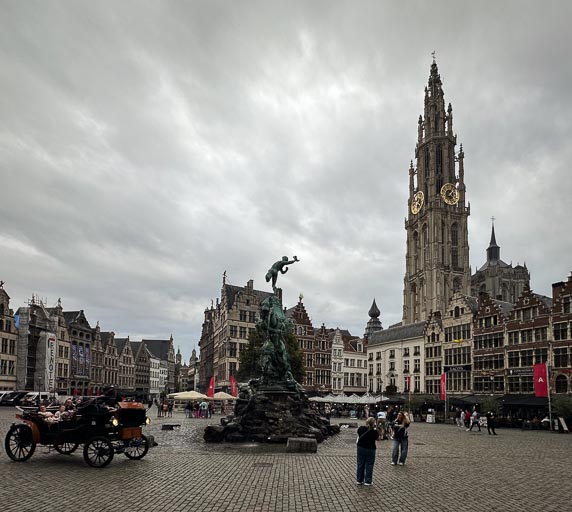
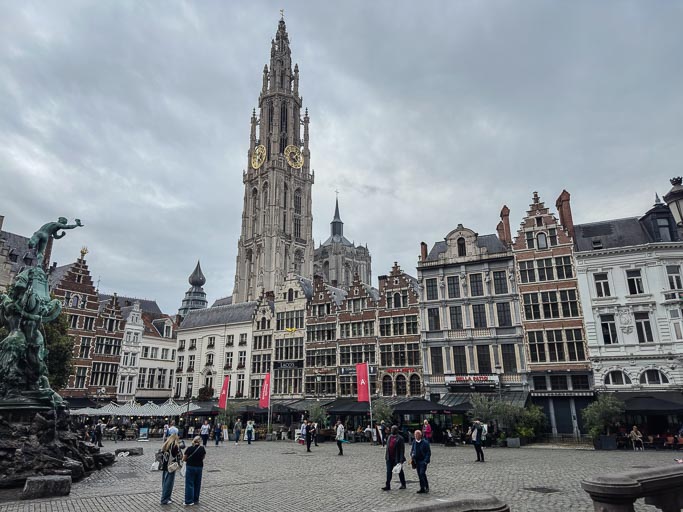
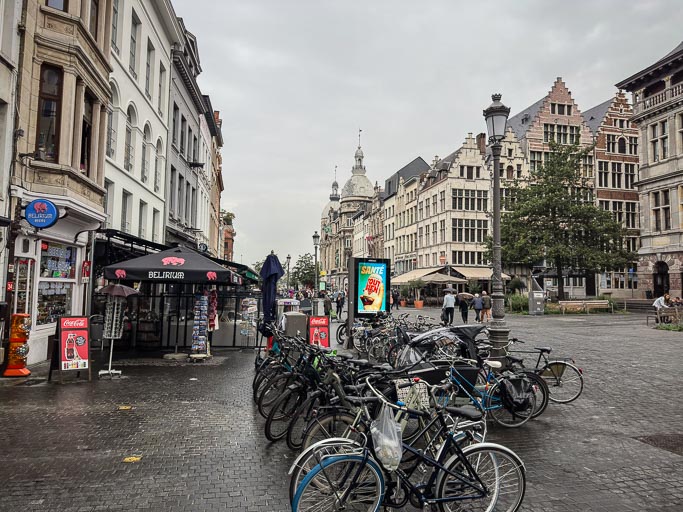
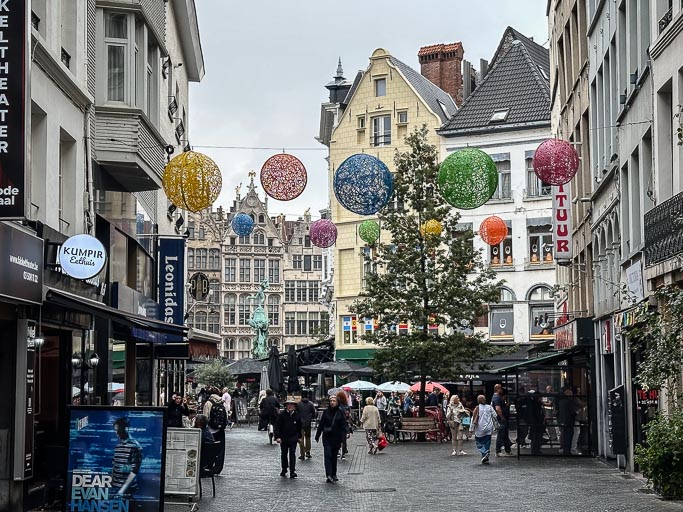
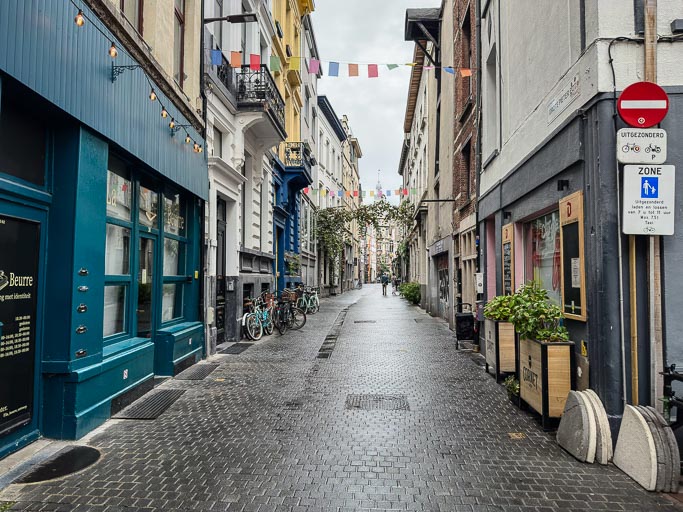
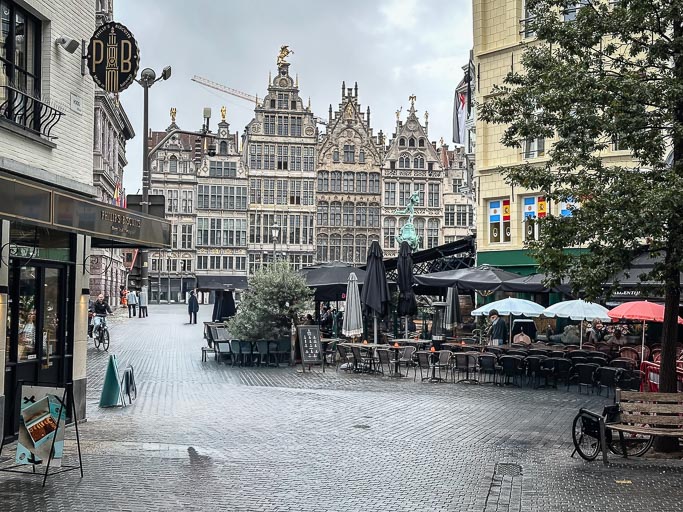
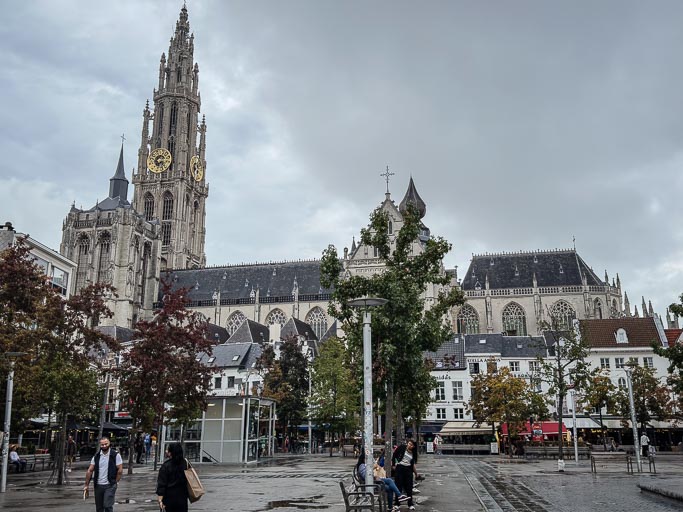
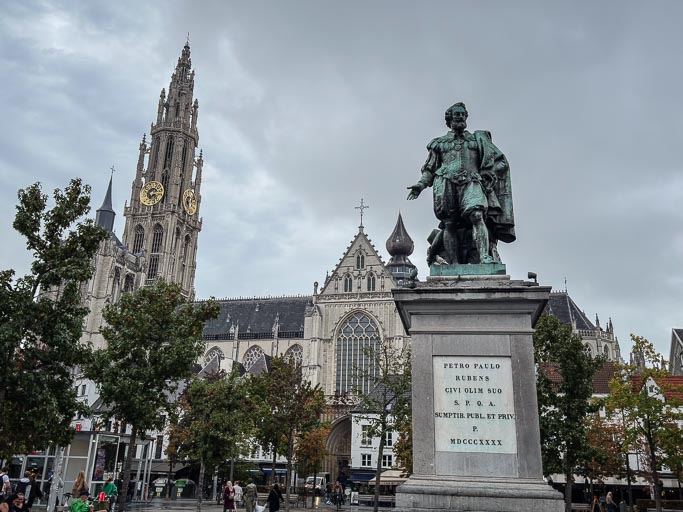
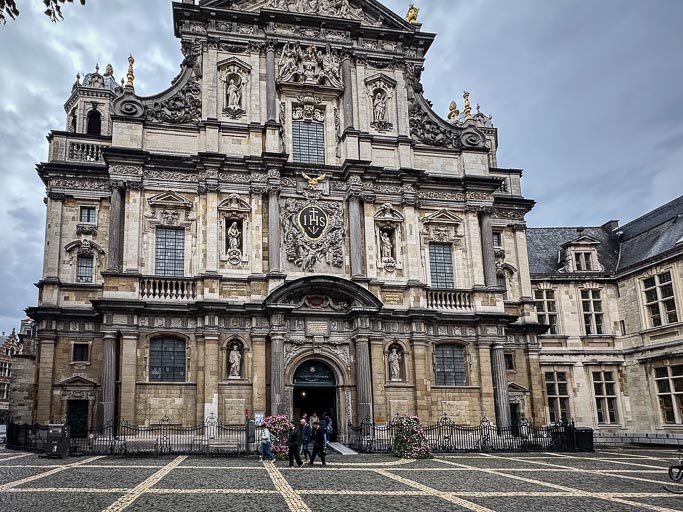
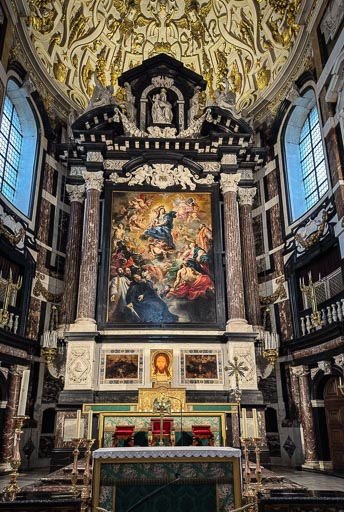
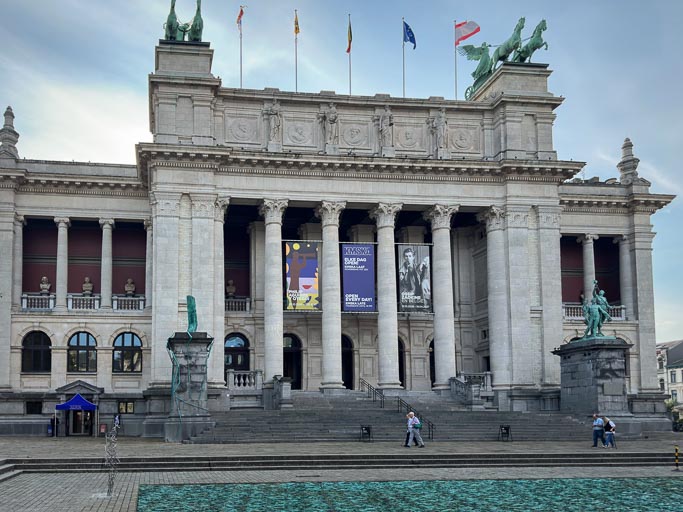
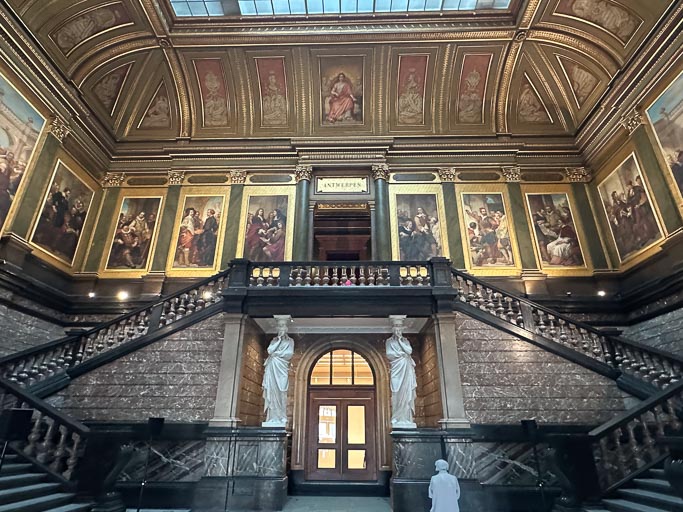
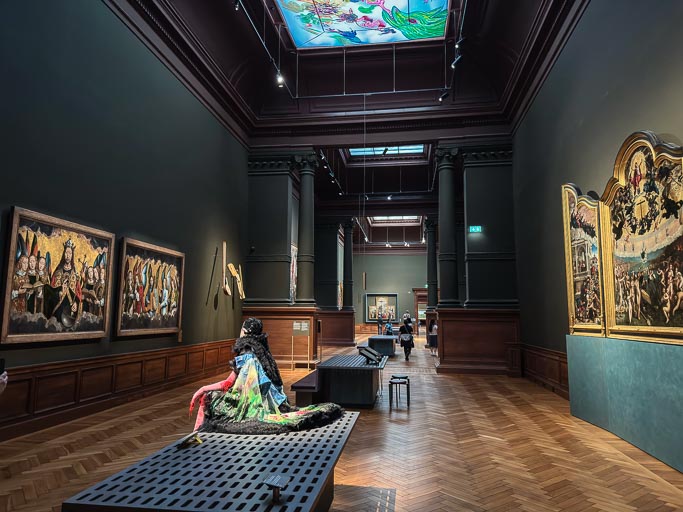
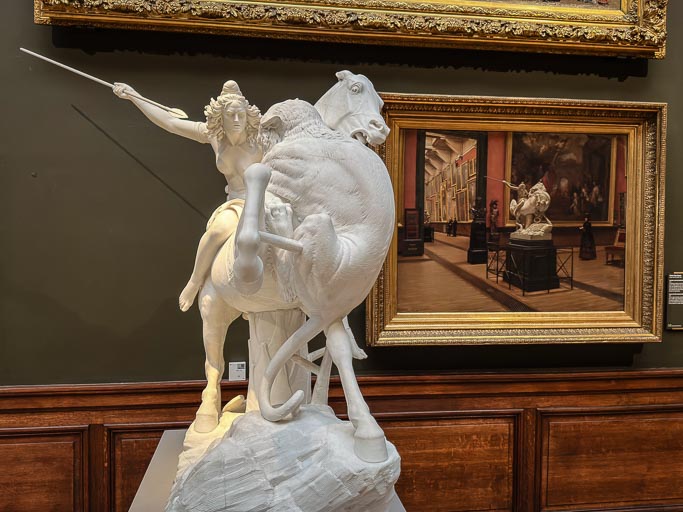
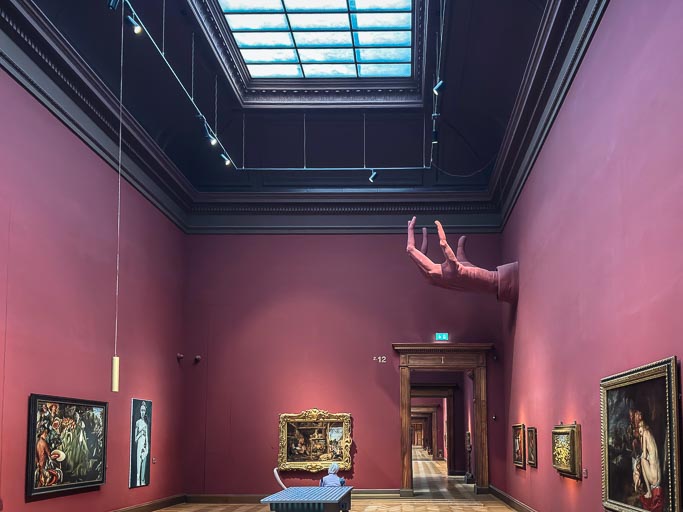
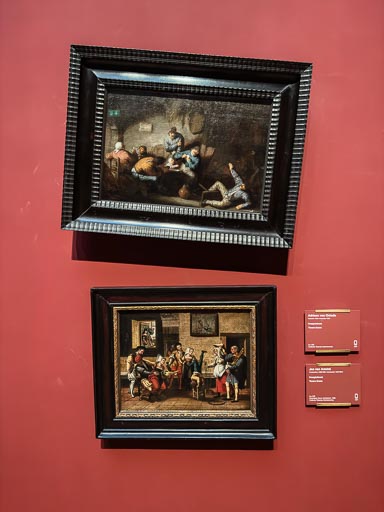
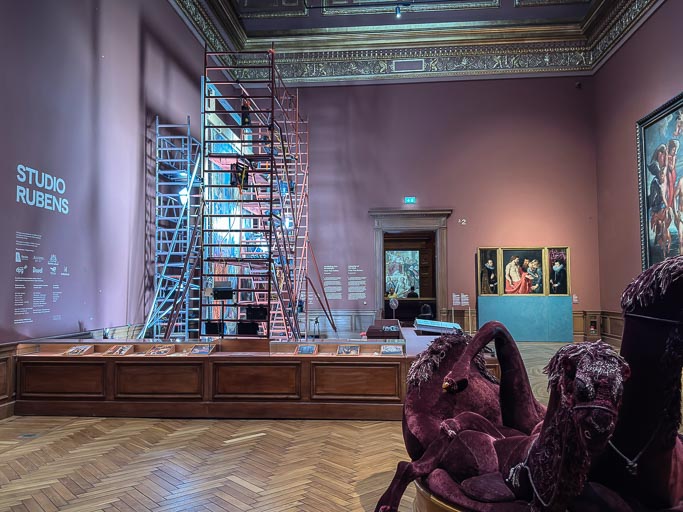
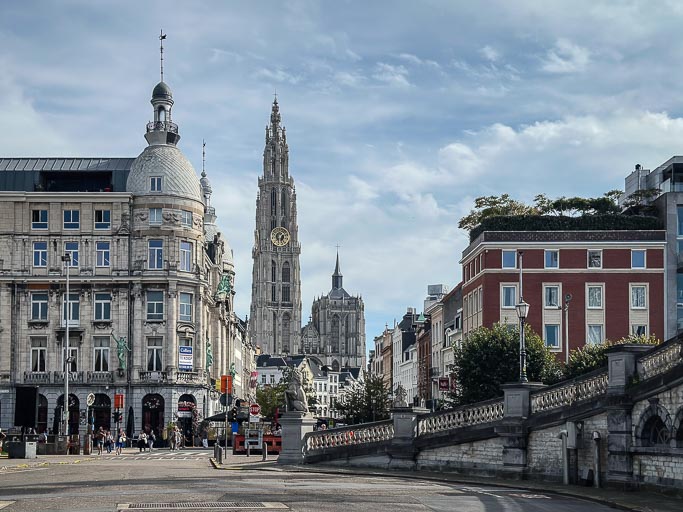
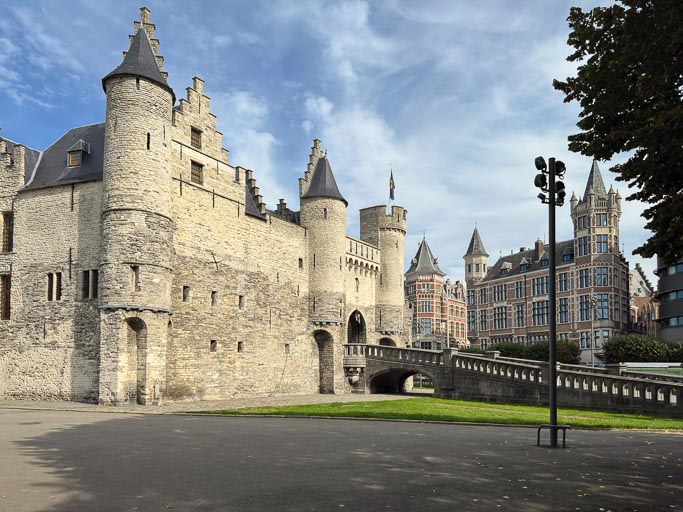
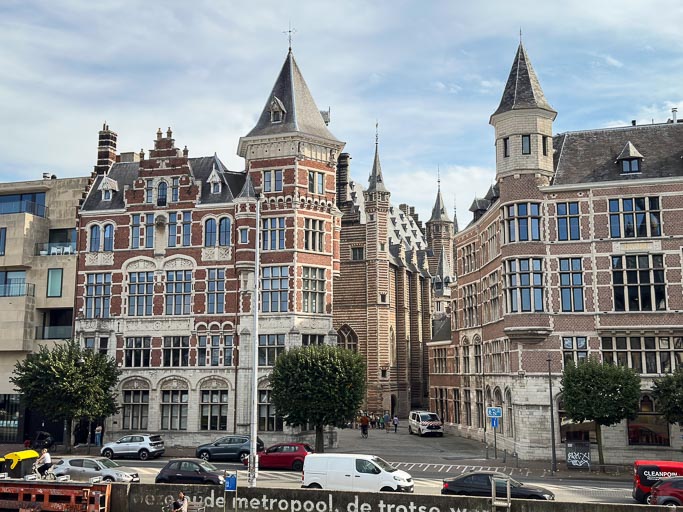
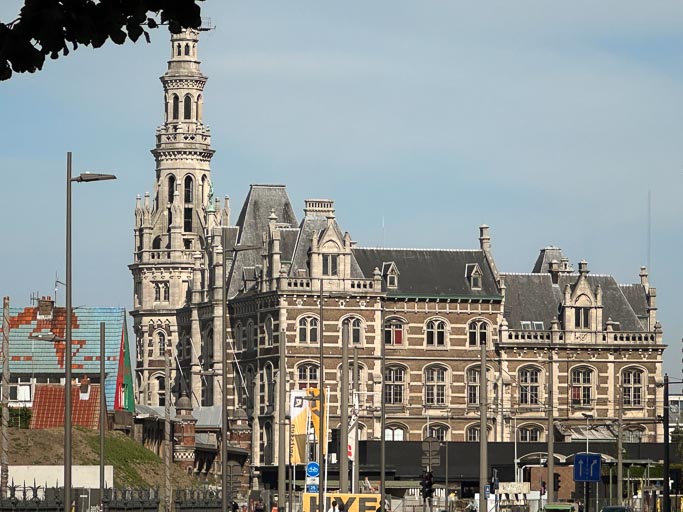
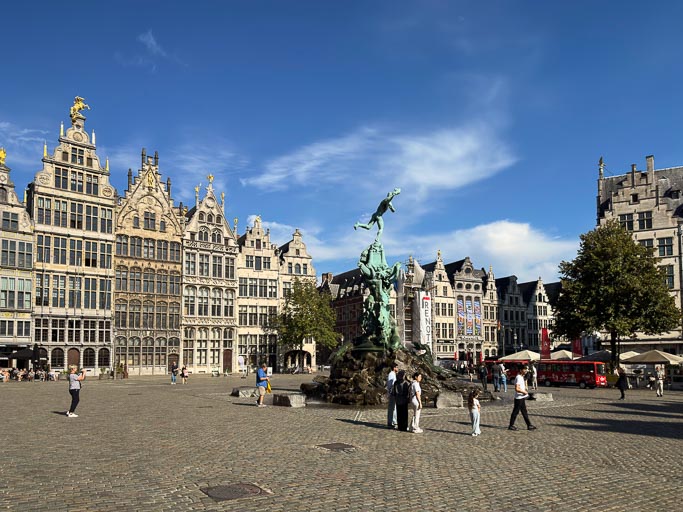
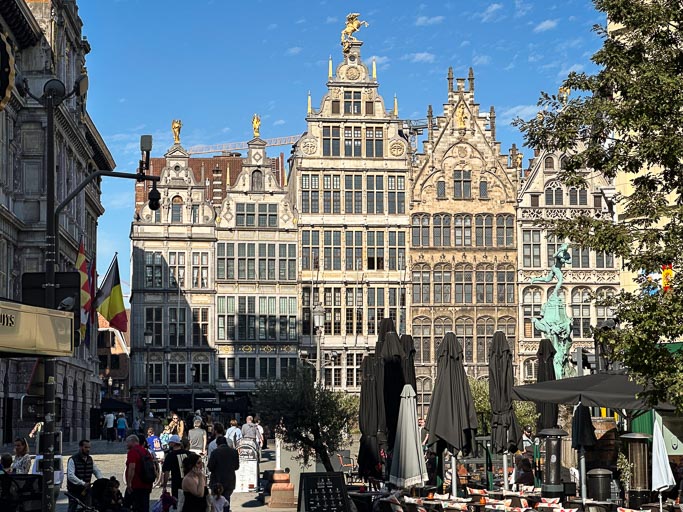
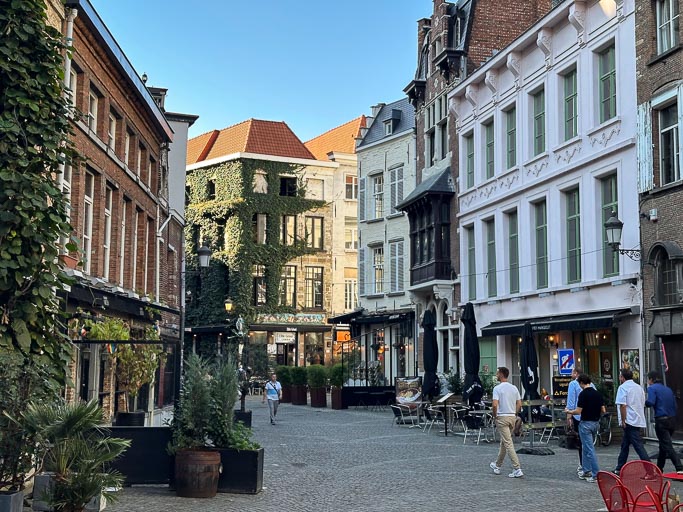
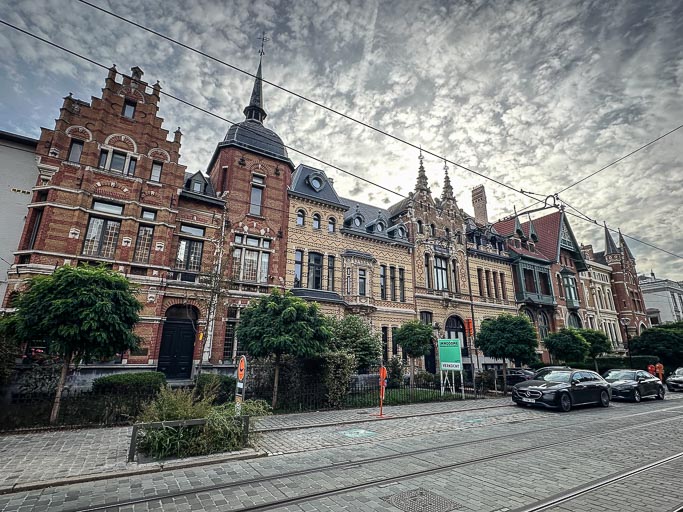
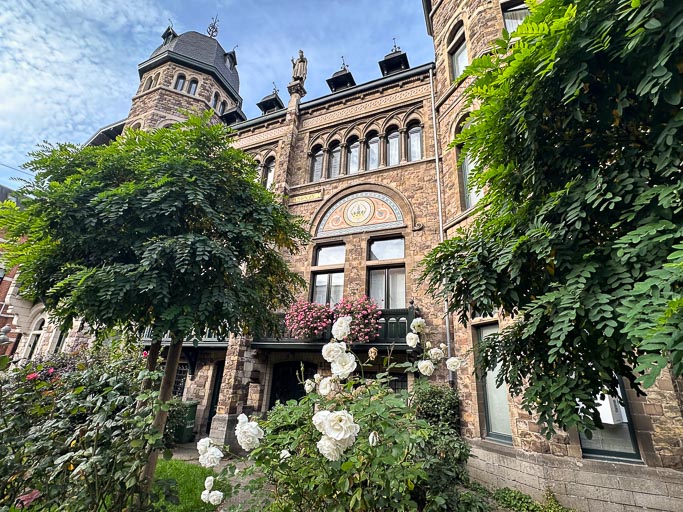
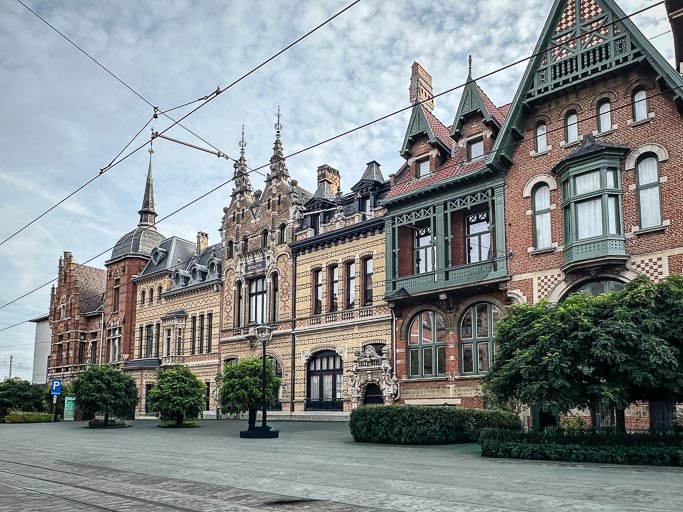
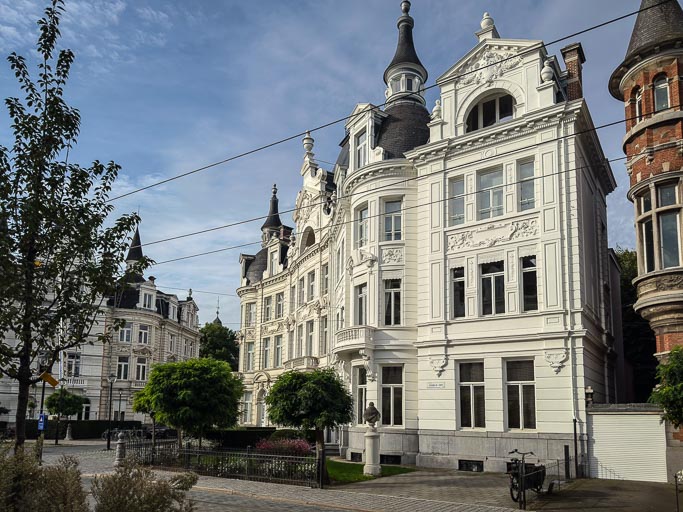
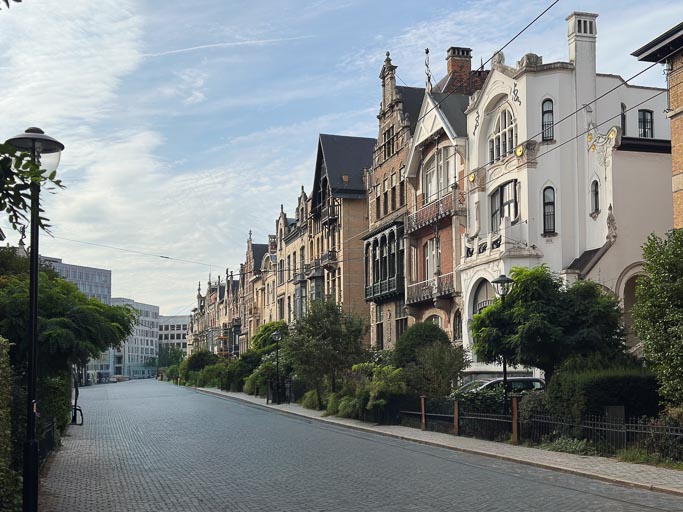
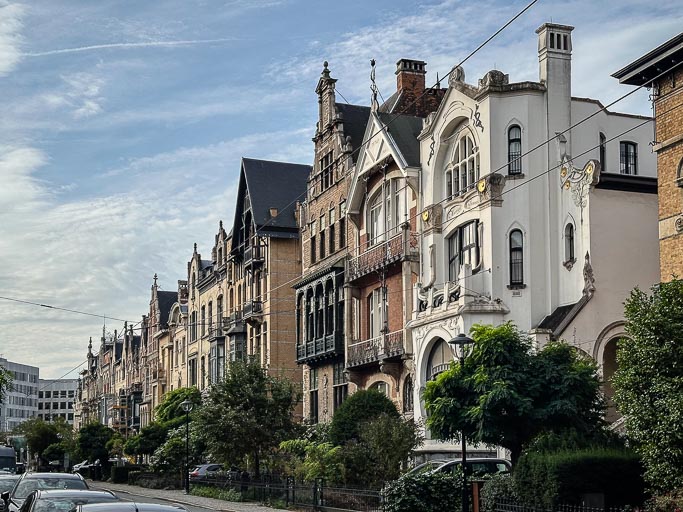
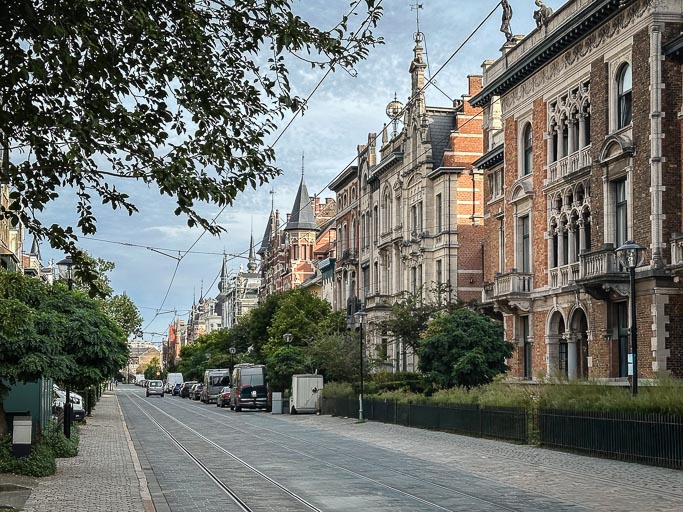
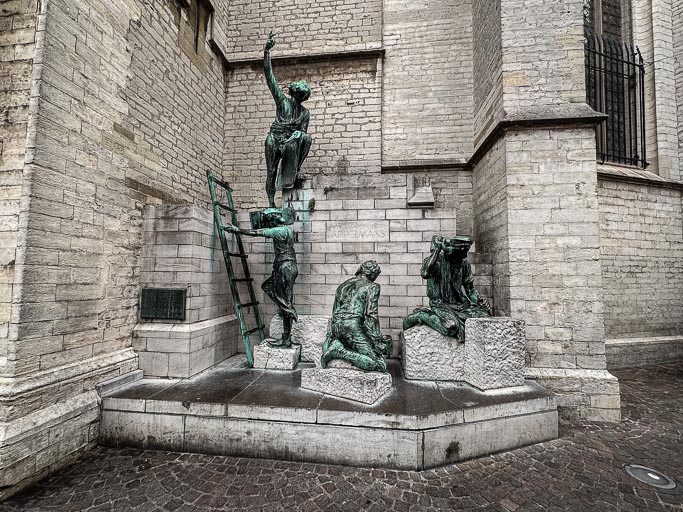
Neben Hafen und Handel besitzt Antwerpen eine außergewöhnlich reiche kulturelle Vergangenheit. Peter Paul Rubens, die flämische Malerei, Mode und Architektur haben die Stadt international bekannt gemacht. Mittelalterliche Straßenzüge und prachtvolle historische Gebäude stehen dabei unmittelbar neben moderner Architektur und einer lebendigen zeitgenössischen Kulturszene.
Antwerpen ist deshalb weniger eine Stadt, die sich auf ein einziges Gesicht reduzieren lässt. Sie ist Hafenstadt und Kunststadt, Diamantenmetropole und Modezentrum, traditionsbewusst und ausgesprochen international. Gerade die unmittelbare Nähe dieser unterschiedlichen Welten macht Antwerpen so interessant.
Bilder einer Reise nach Antwerpen 2026...
Antwerp – A City of Ports, Trade and Cultures
With around 565,000 inhabitants, Antwerp is the largest city in Flanders and one of Belgium's most diverse urban centres. People representing around 173 different nationalities live here. More than half of the population has a non-Belgian background, giving the city an international character that is closely intertwined with its long history as a trading and port city.
The Scheldt and the port have shaped Antwerp for centuries. Today, the port is one of Europe's major ports, connecting the city with the rest of the world. Trade has always been one of the driving forces behind Antwerp's development: spices, commodities, art and, later, diamonds helped turn the city into an international centre.
This international history is particularly visible around Central Station and the Diamond District. This is also the traditional centre of Antwerp's Jewish community. A large Jewish community, much of it Orthodox and Hasidic, has lived in this part of the city for generations. Synagogues, schools, kosher shops and restaurants are part of the urban landscape, as is the community's long-standing connection with the international diamond trade.
At the same time, Antwerp is far more than a Jewish and European trading city. Communities from Africa, Asia, the Middle East and many parts of Europe have helped shape modern Antwerp. Around Central Station, in Chinatown and throughout the city's neighbourhoods, this diversity can be experienced directly in the streets, shops, languages and restaurants.
Alongside its port and commercial importance, Antwerp has an exceptionally rich cultural heritage. Peter Paul Rubens, Flemish painting, fashion and architecture have all contributed to the city's international reputation. Medieval streets and magnificent historic buildings stand alongside contemporary architecture and a vibrant modern cultural scene.
Antwerp therefore cannot easily be reduced to a single identity. It is a port city and a city of art, a diamond centre and a fashion capital, deeply rooted in tradition yet distinctly international. It is precisely the close coexistence of these different worlds that makes Antwerp so fascinating.
Images from a journey to Antwerp in 2026...