Chiloe
Chiloe
Chiloé – Insel im Süden Chiles
Chiloé ist eine chilenische Insel, sie liegt knapp 1.200 km südlich der Hauptstadt Santiago de Chile und ist nach der Feuerland-Hauptinsel, die zur Hälfte zu Argentinien gehört, die zweitgrößte Insel des Landes.
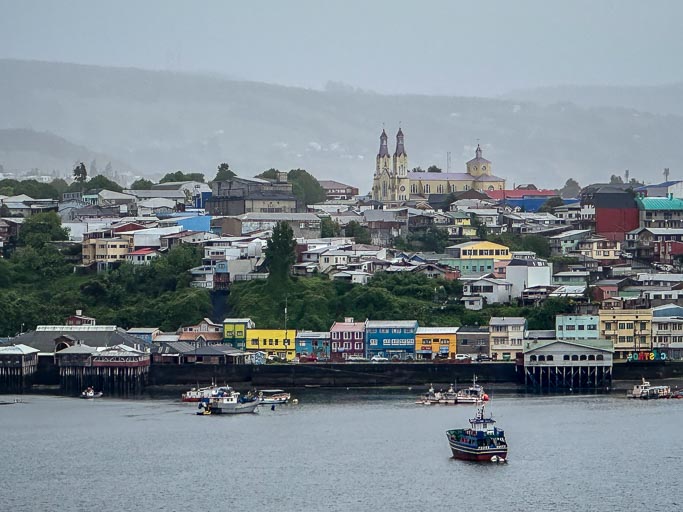
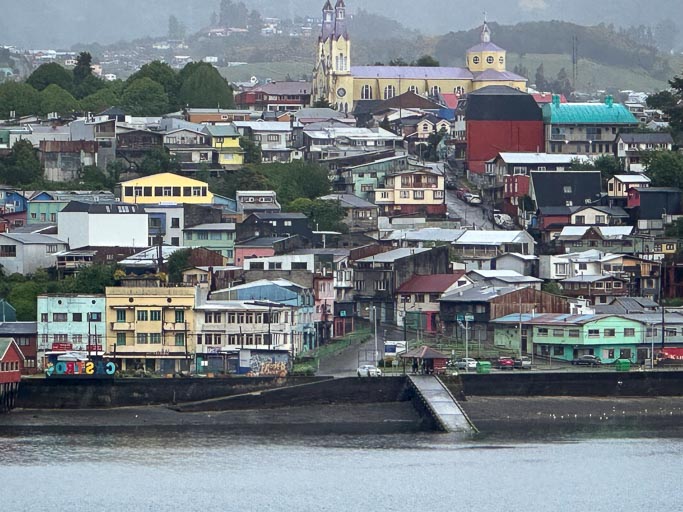
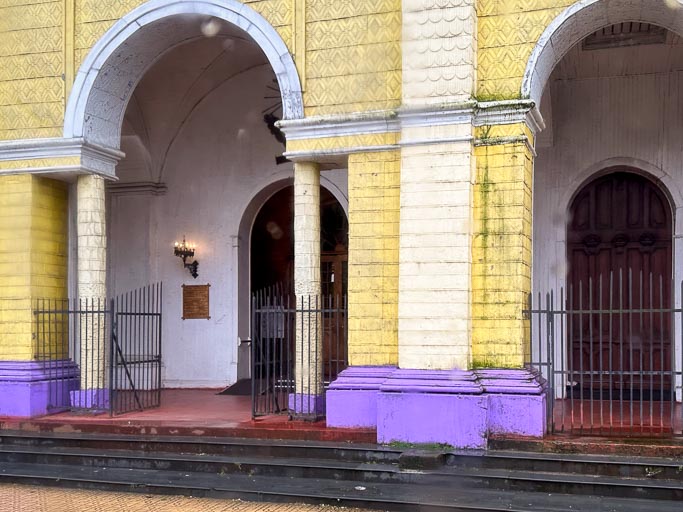
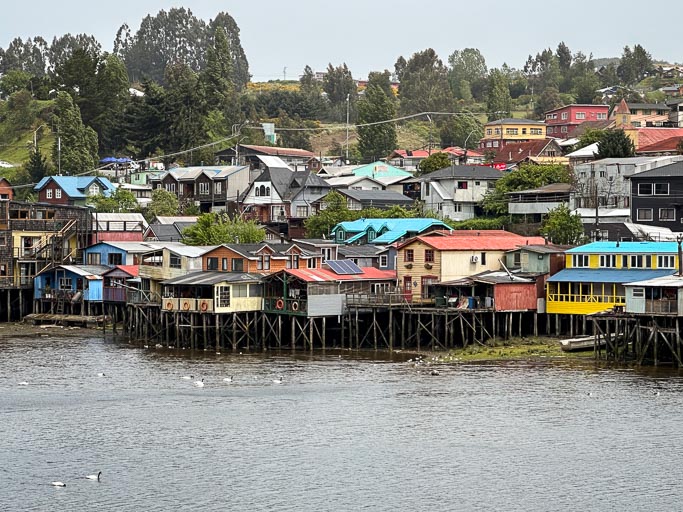
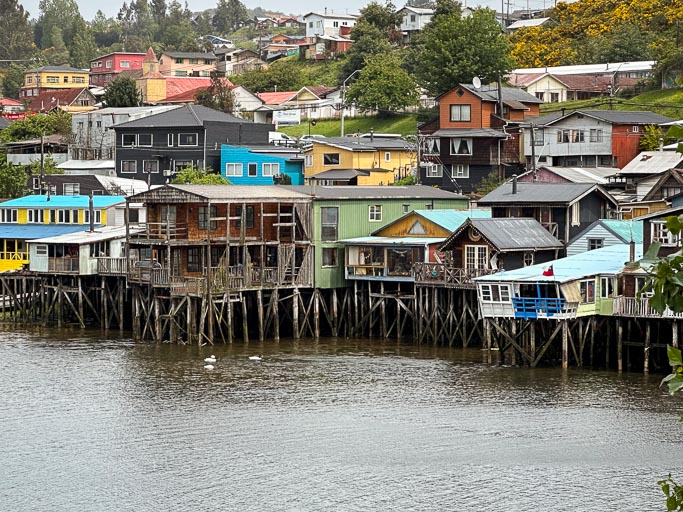
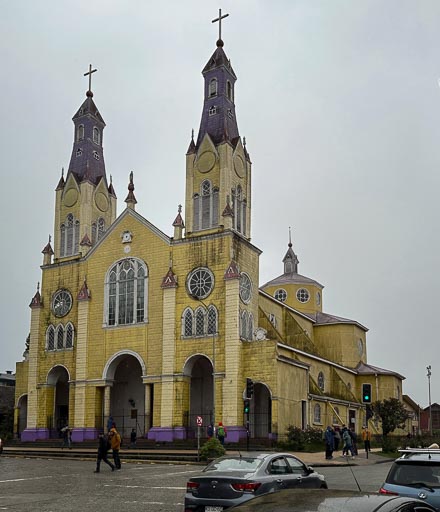
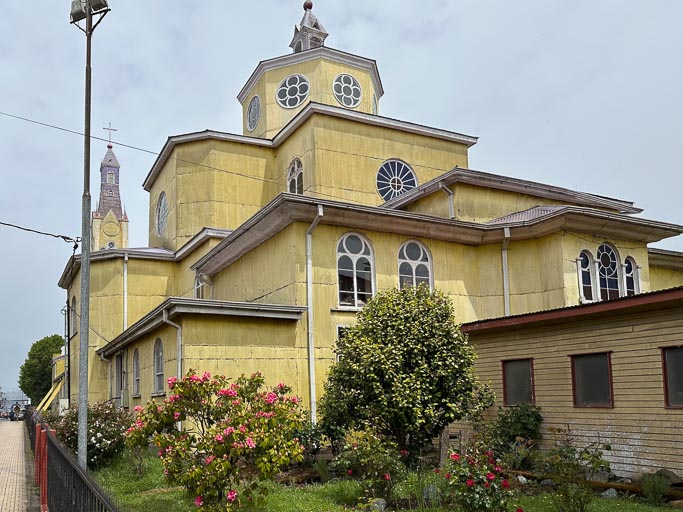
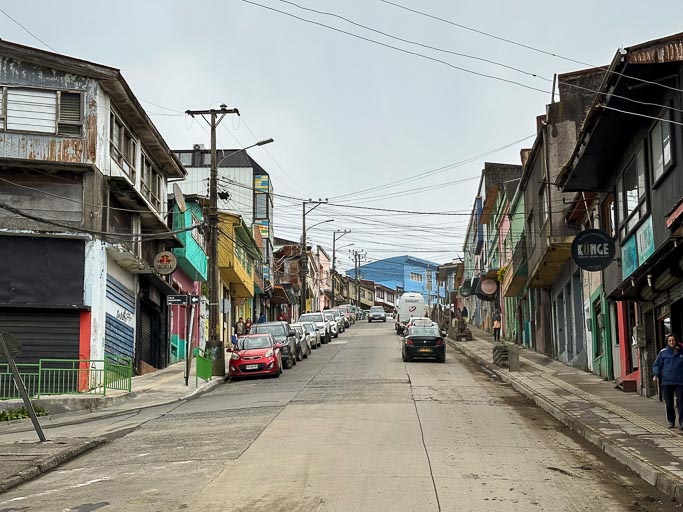
Castro ist die Hauptstadt der Insel Chiloé und eine der ältesten Städte Chiles. Berühmt ist sie für ihre farbenfrohen Palafitos (Stelzenhäuser am Wasser) und die historische Holzkirche San Francisco, die zum UNESCO-Weltkulturerbe gehört.
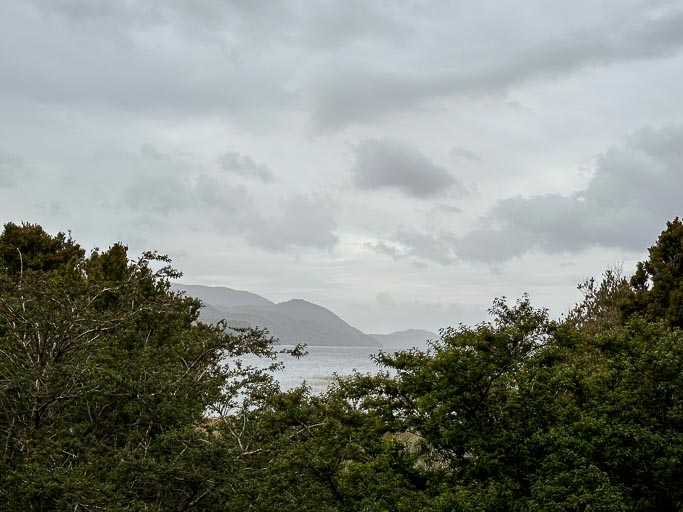
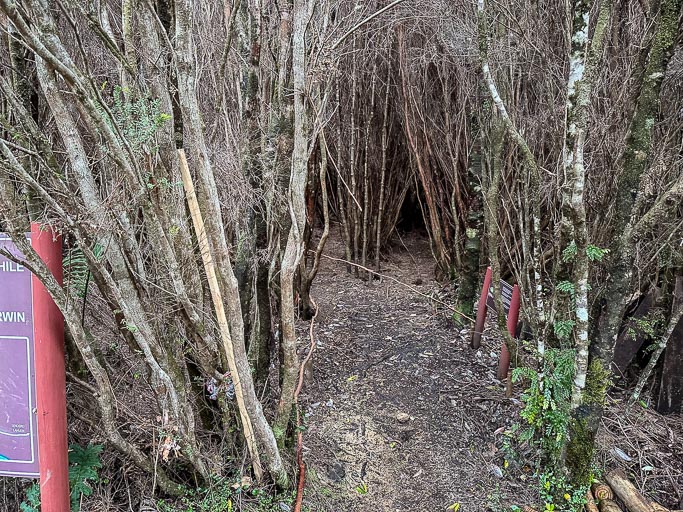
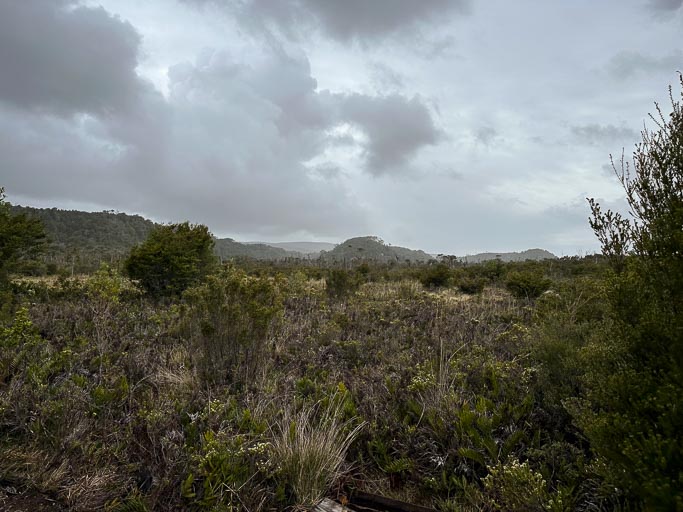
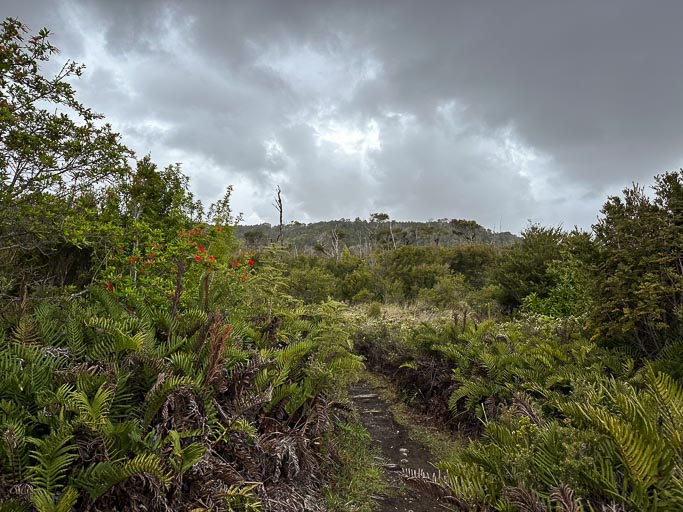
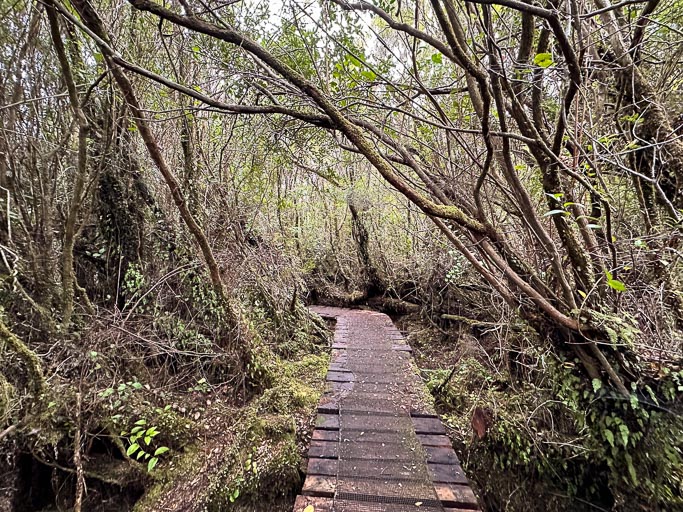
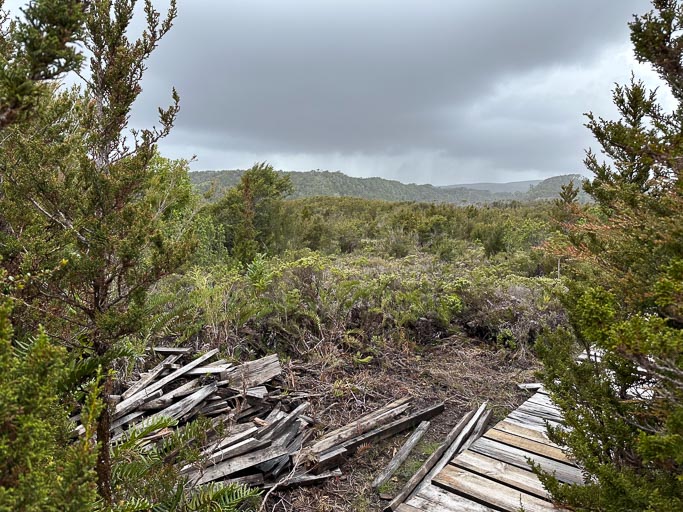
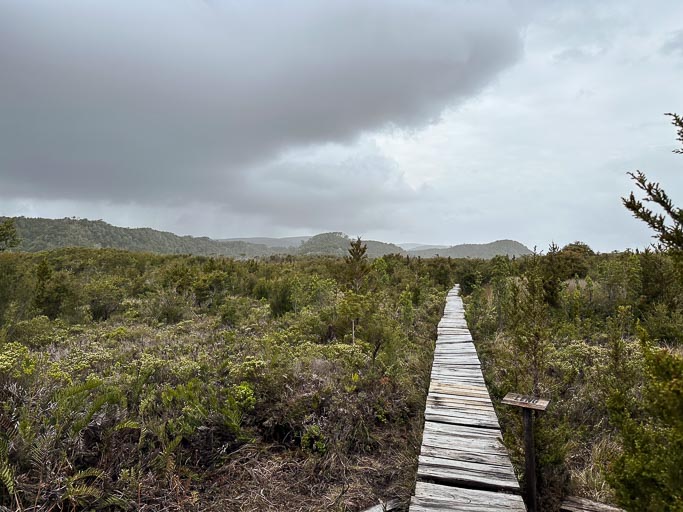
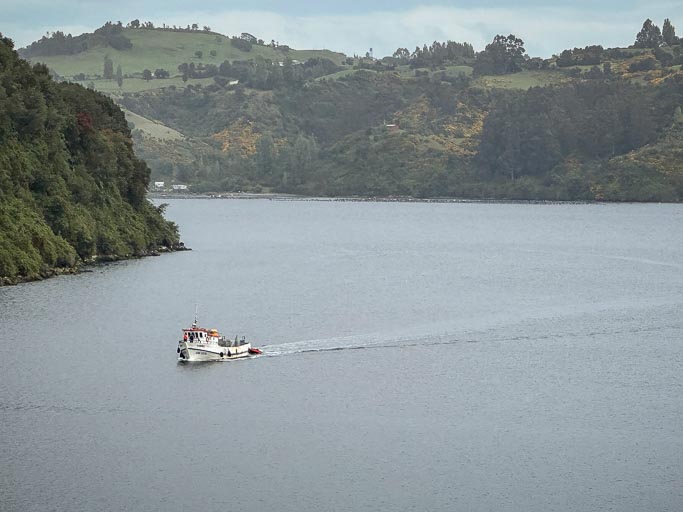
Umgeben von atemberaubender Natur, bietet Castro Zugang zu den Sehenswürdigkeiten der Insel, darunter den Chiloé-Nationalpark.
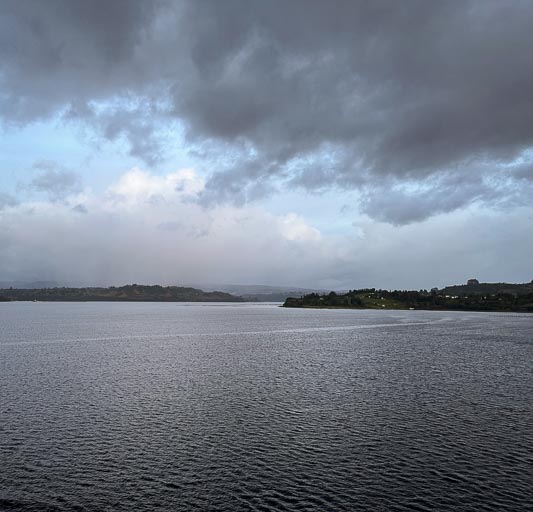
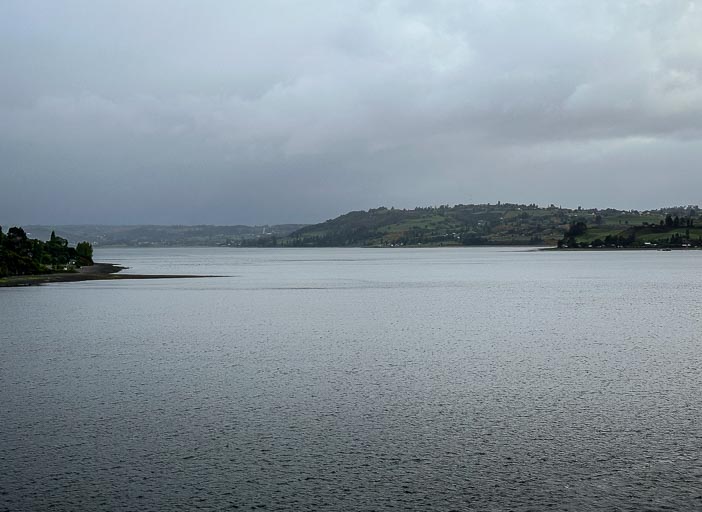
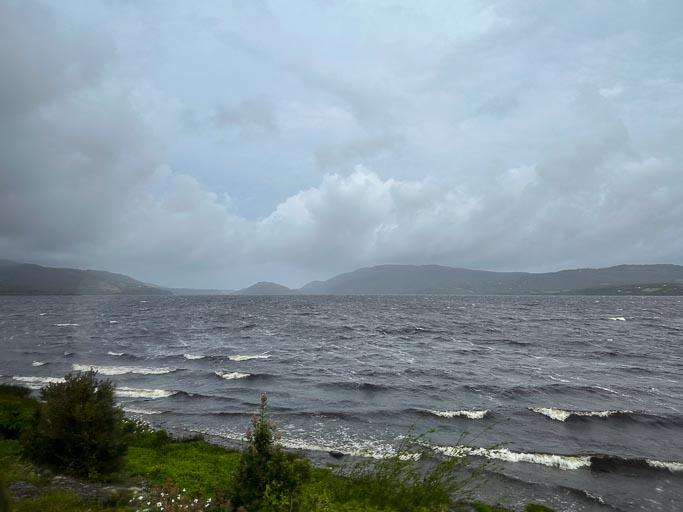
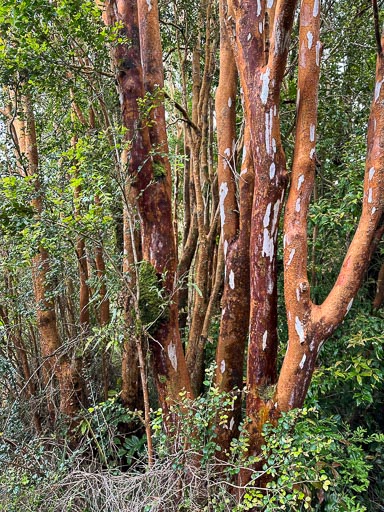
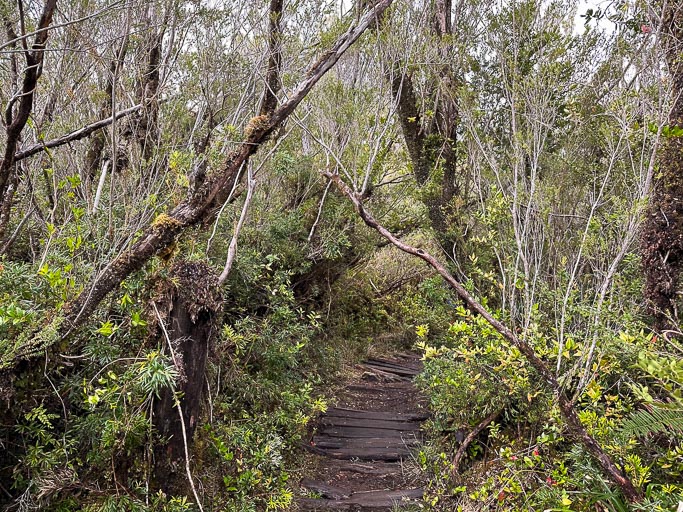
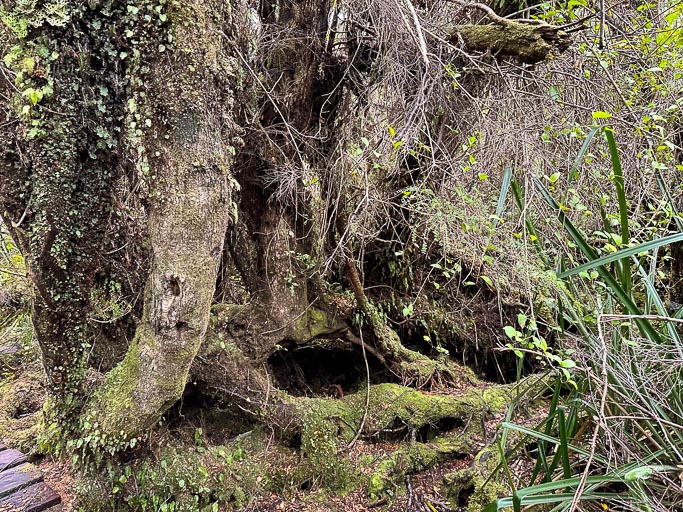
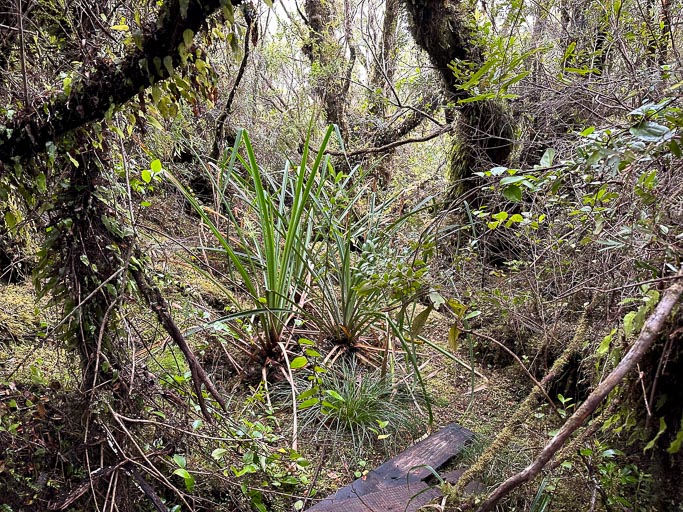
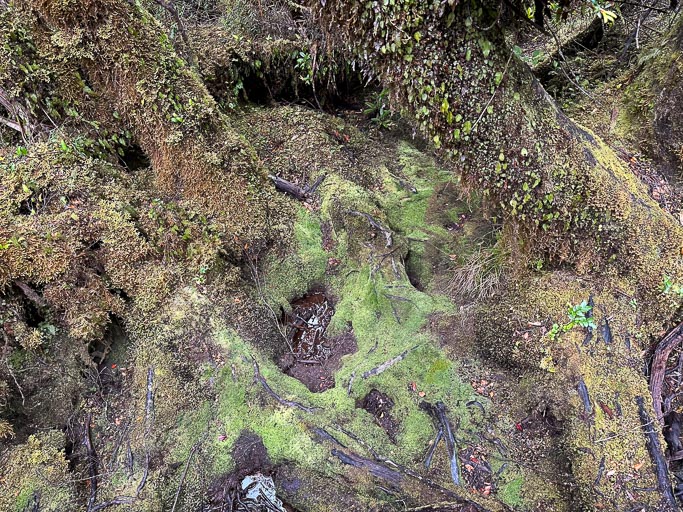
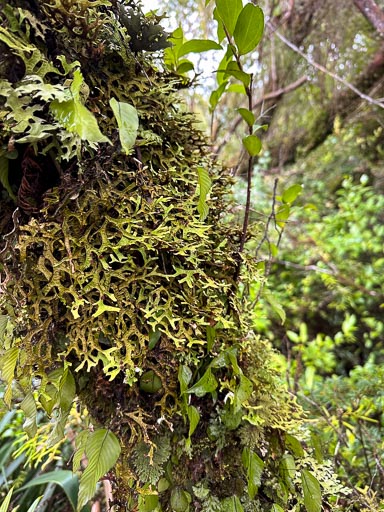
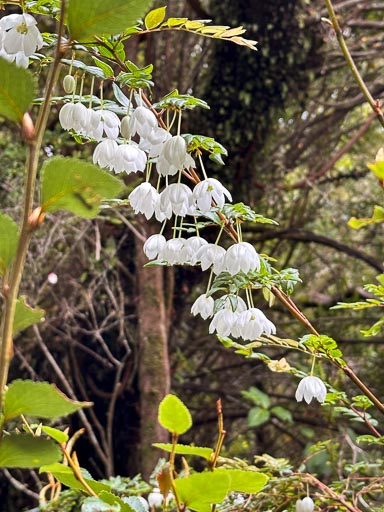
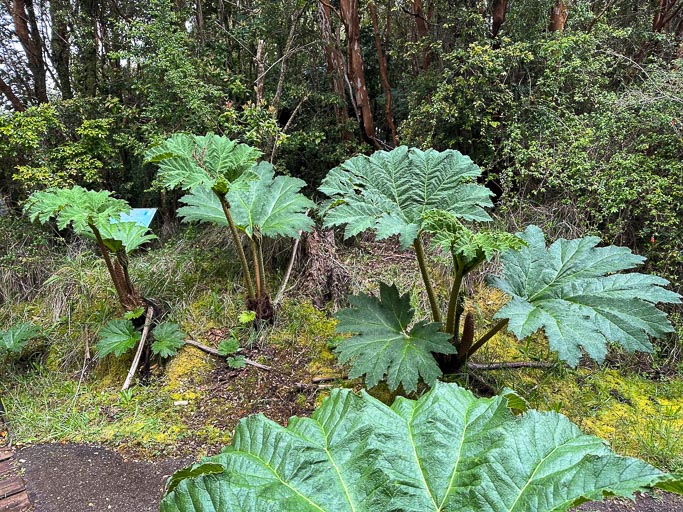
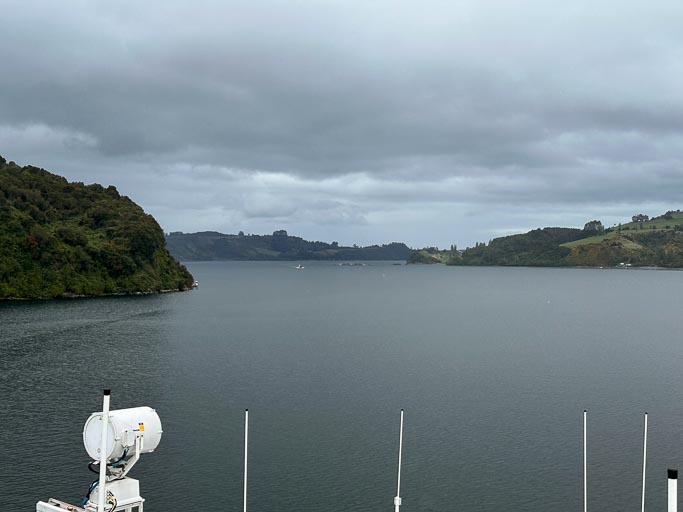
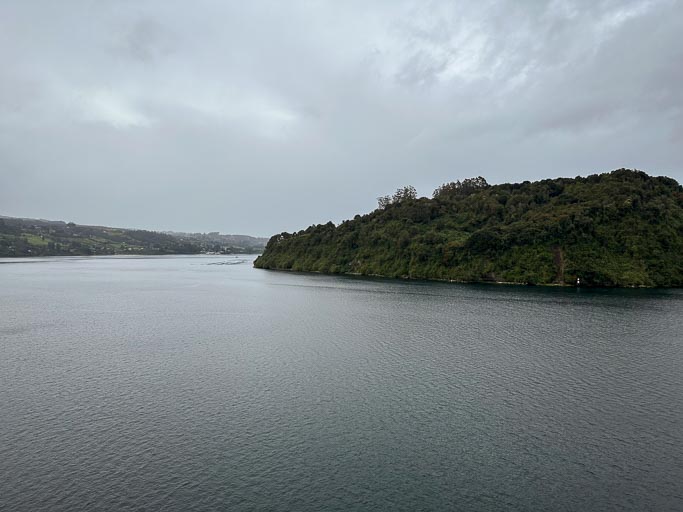
Das Klima ist mild, aber außerordentlich feucht; Regen ist überaus häufig (bei Ancud fallen jährlich 2035 mm), namentlich im Westteil der Insel. Die hohe Feuchtigkeit erklärt die starke Entwicklung der Vegetation, die der fruchtbare Boden noch befördert.
Die Insel gilt neben Peru als eine der möglichen Urheimaten der Kartoffel. Noch heute werden dort ca. zweihundert Kartoffelsorten angebaut (z. B. die Sorte Michune Azul), die sich in Form, Farbe und Geschmack von den in Europa bekannten unterscheiden.
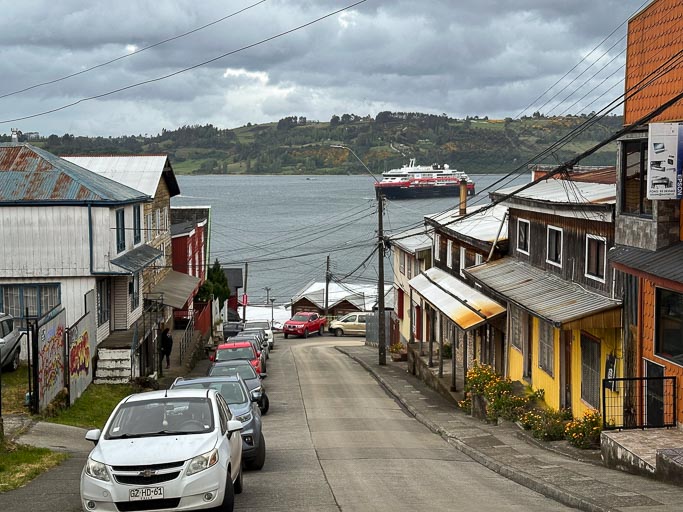
Bilder einer Reise in 2024.
Chiloé – island in southern Chile
Chiloé is a Chilean island located about 1,200 km south of the capital Santiago de Chile, and is, after the main island of Tierra del Fuego (half belonging to Argentina), the second largest island in the country.
Castro is the capital of Chiloé Island and one of the oldest cities in Chile. It is famous for its colorful palafitos (stilt houses on the water) and the historic San Francisco wooden church, a UNESCO World Heritage Site.
Surrounded by breathtaking nature, Castro provides access to the island's attractions, including Chiloé National Park.
The climate is mild but extremely humid; rain is very frequent (in Ancud, about 2035 mm annually), especially in the western part of the island. The high humidity supports lush vegetation, further enhanced by the fertile soil.
The island is, alongside Peru, considered one of the possible original homes of the potato. Even today, around 200 varieties of potatoes are cultivated there (e.g., Michune Azul), differing in shape, color, and taste from those known in Europe.
Images from a trip in 2024.