Puerto Natales
Puerto Natales
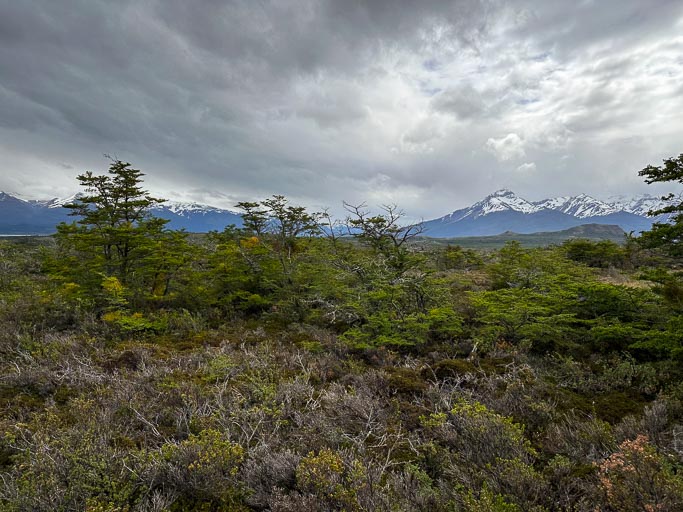
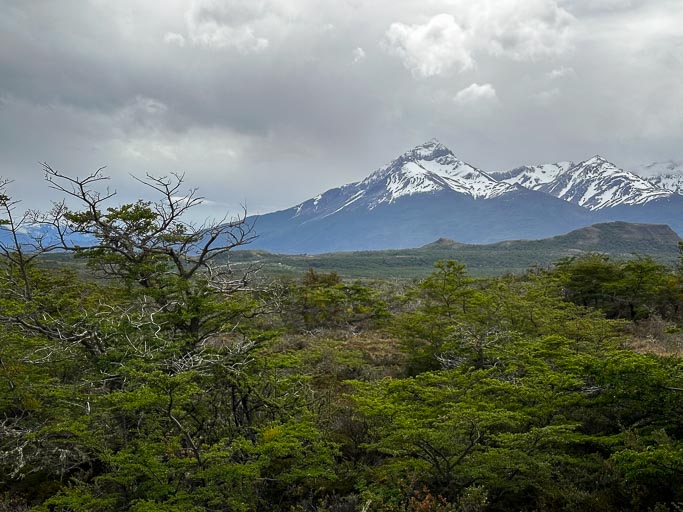
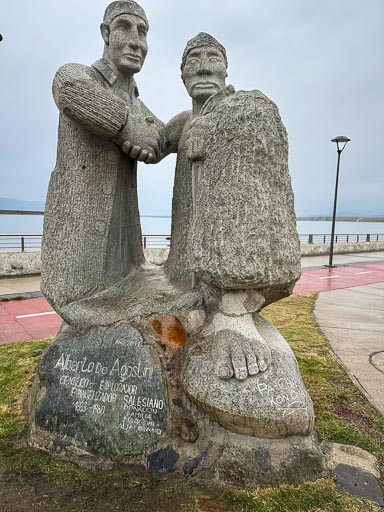
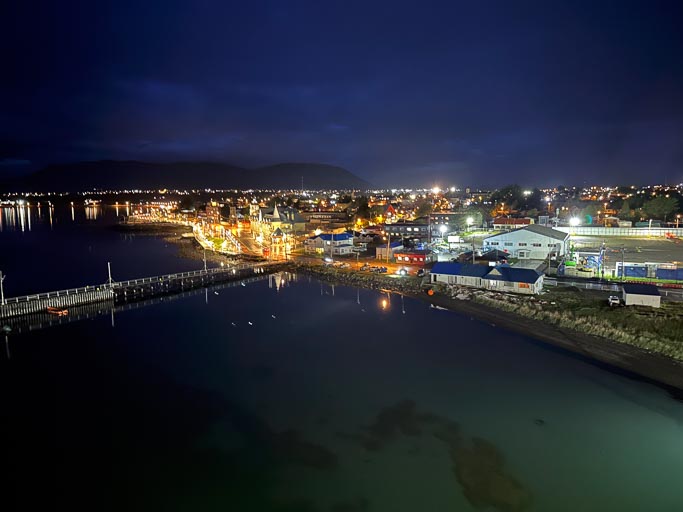
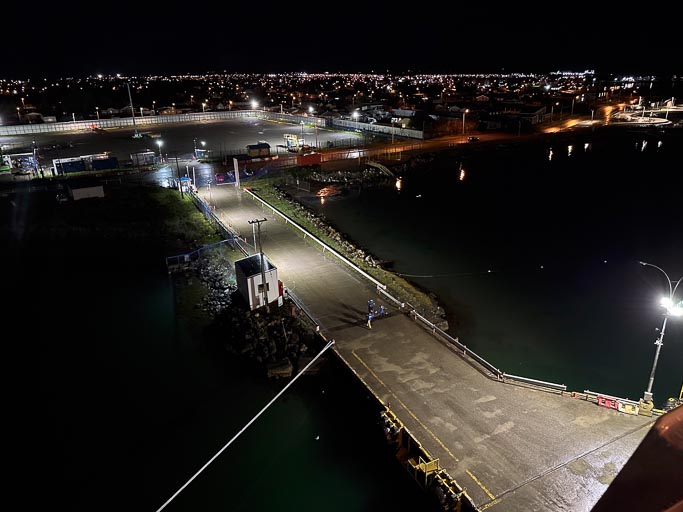
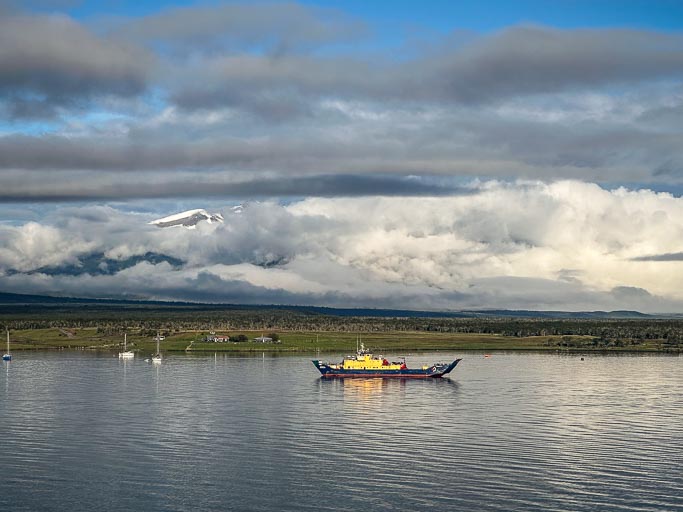
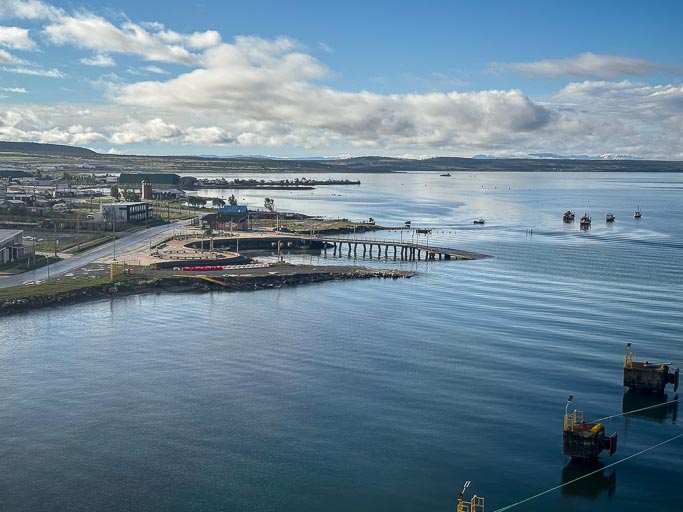
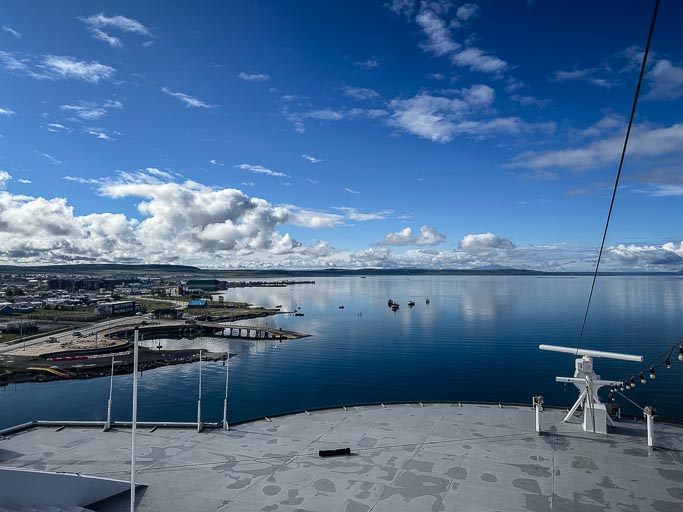
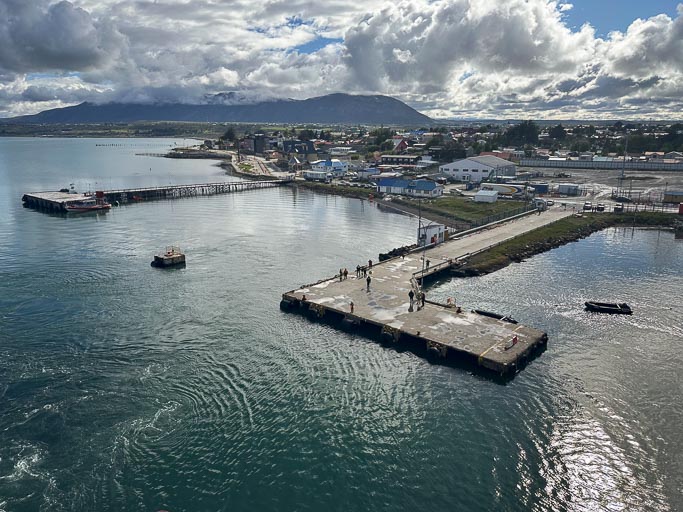
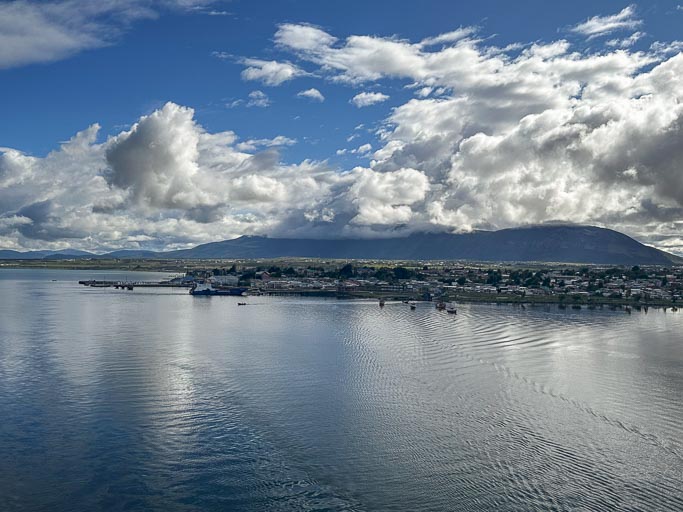
Puerto Natales – Tor zum Nationalpark Torres del Paine
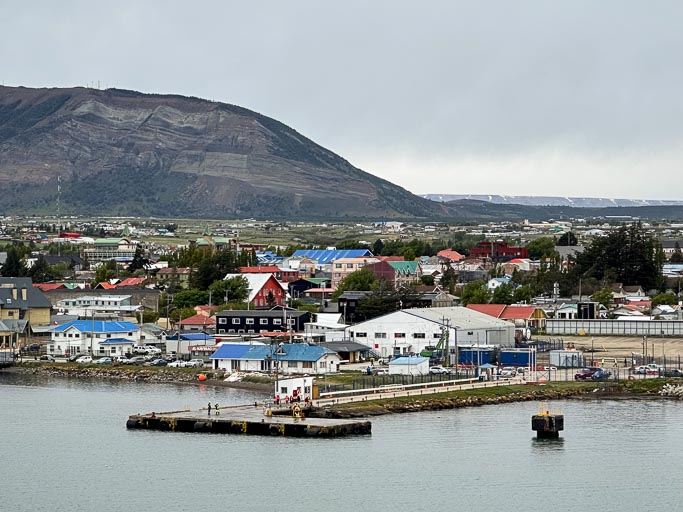
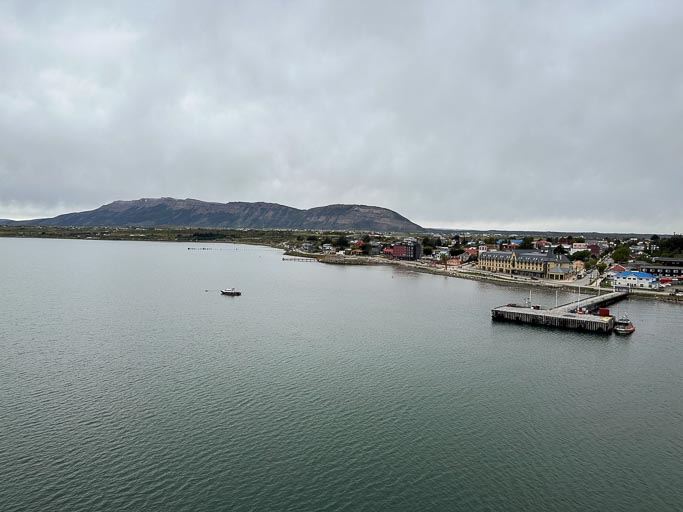
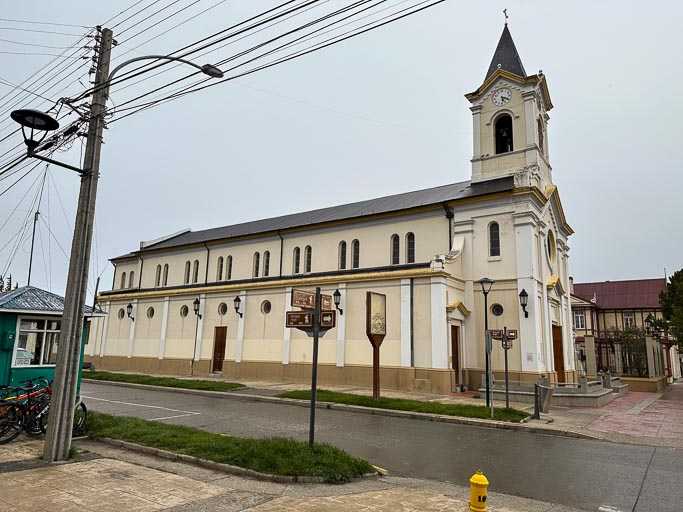
Puerto Natales ist eine kleine Stadt im Süden Chiles mit etwa 20.000 Einwohnern (Stand ca. 2024) und liegt in der Region Magallanes y de la Antártica Chilena.
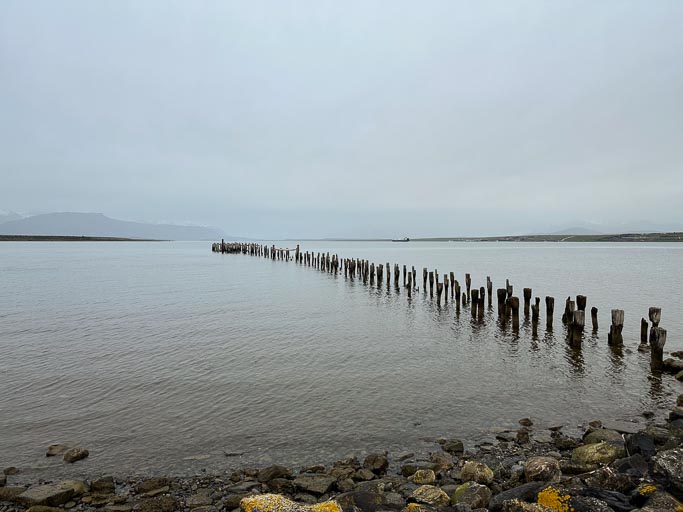
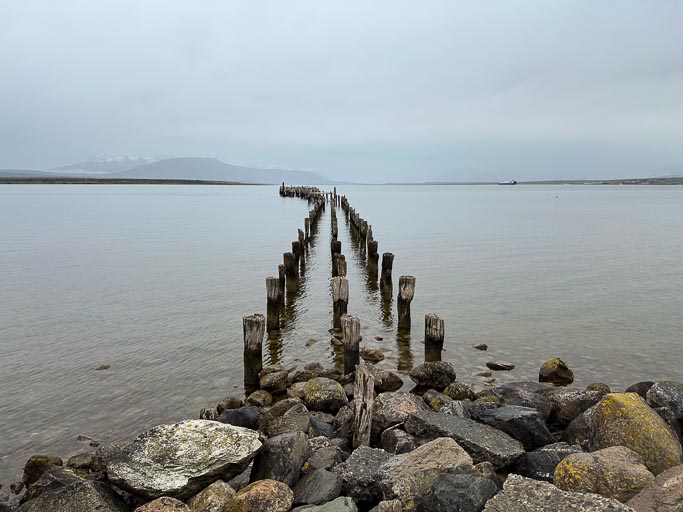
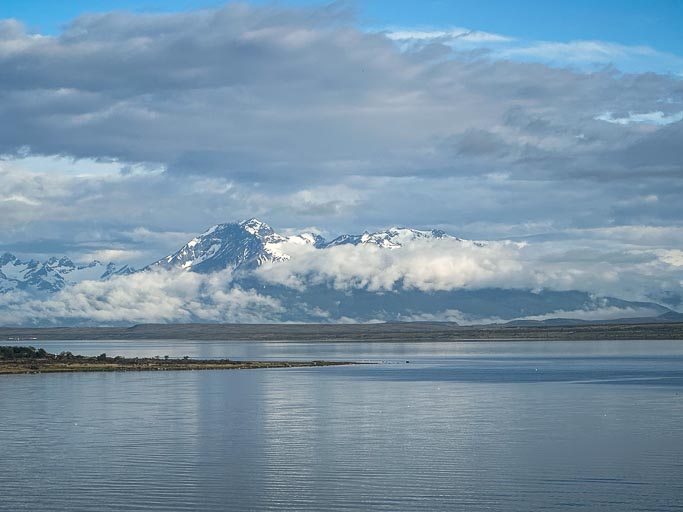
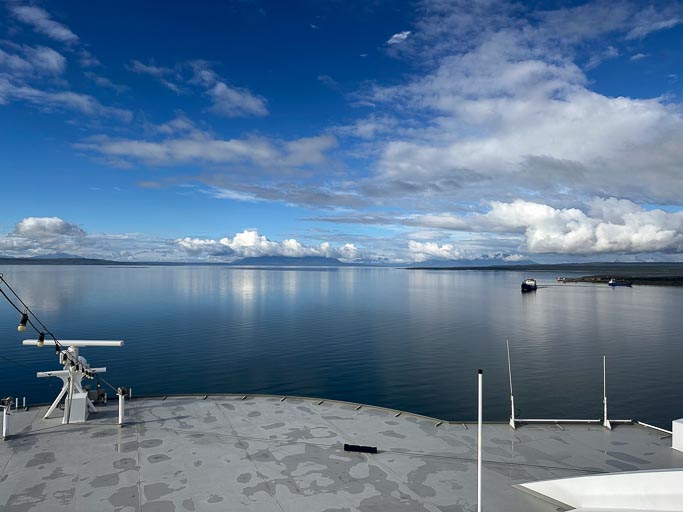
Sie befindet sich direkt am Fjord Última Esperanza („Fjord der letzten Hoffnung“) und ist Tor zum Nationalpark Torres del Paine, einem der bekanntesten Naturparks Südamerikas.
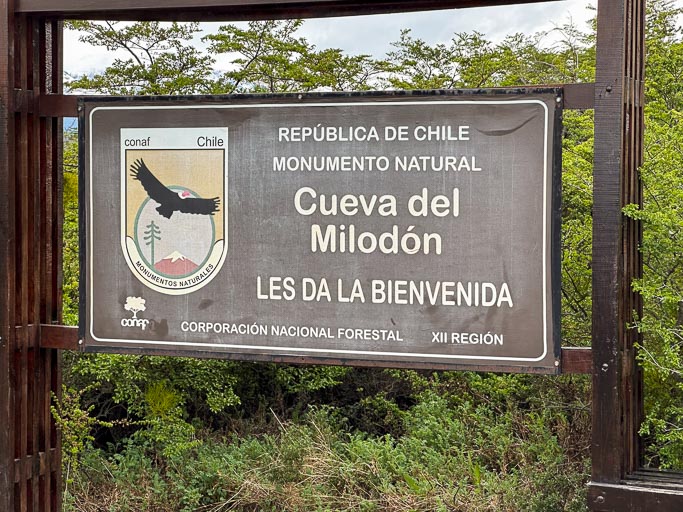
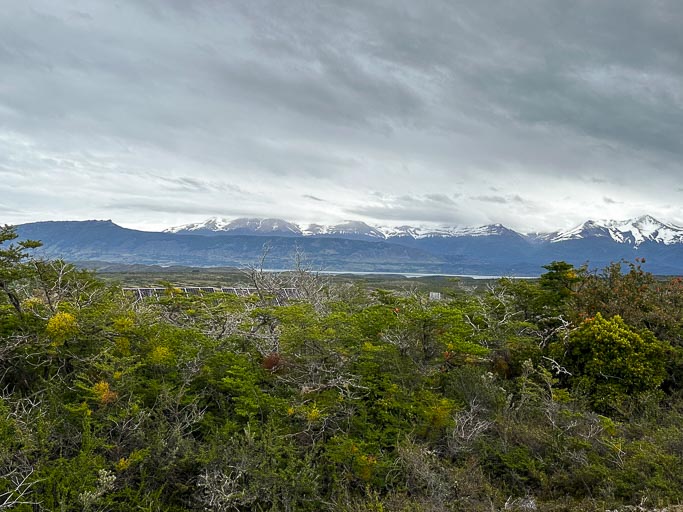
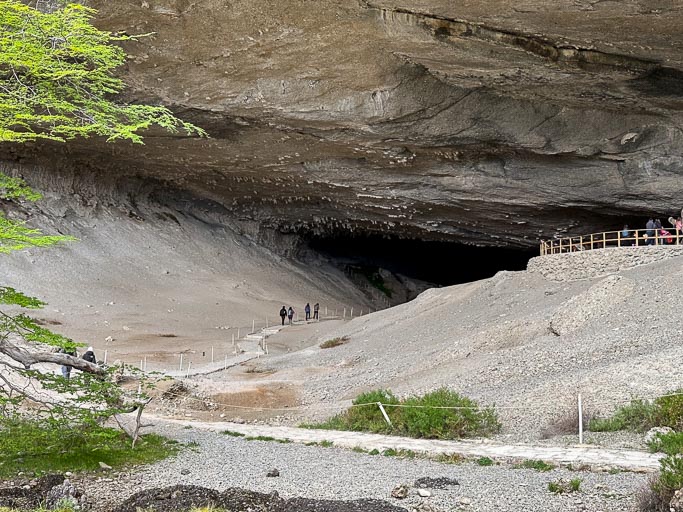
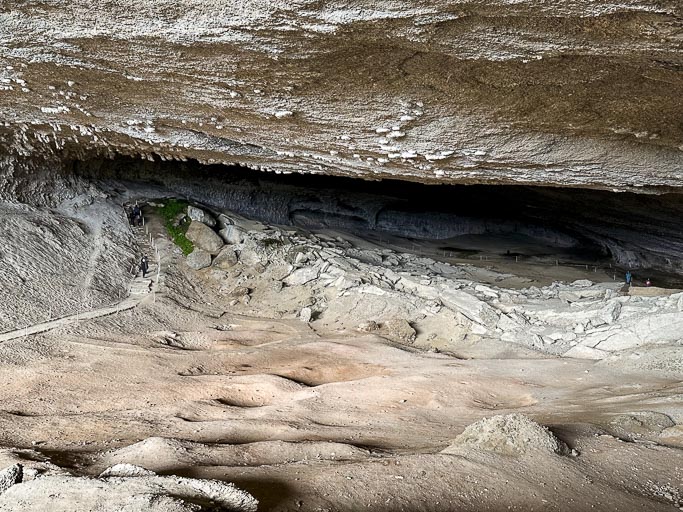
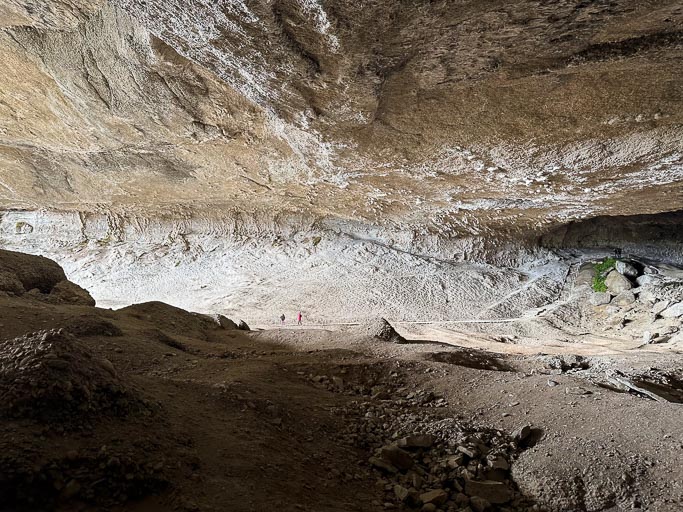
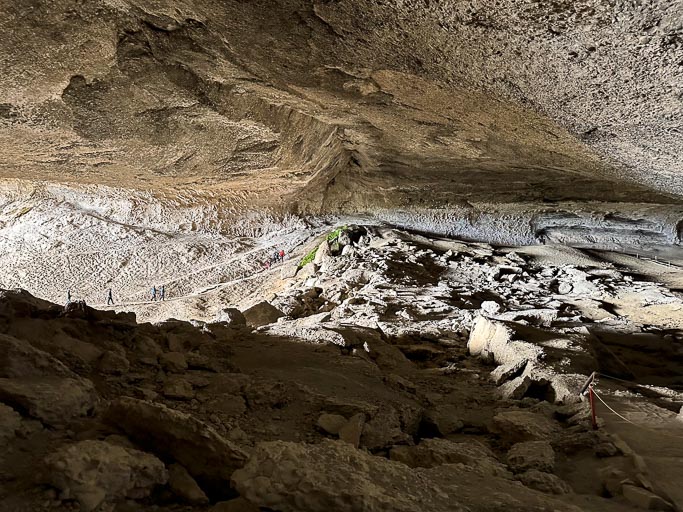
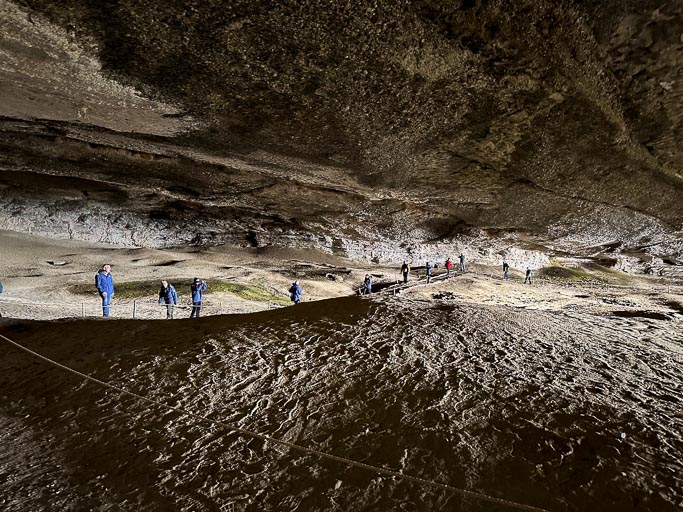
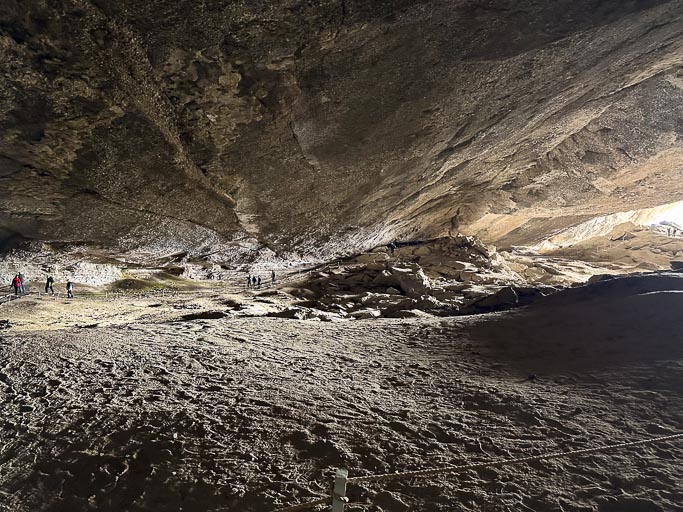
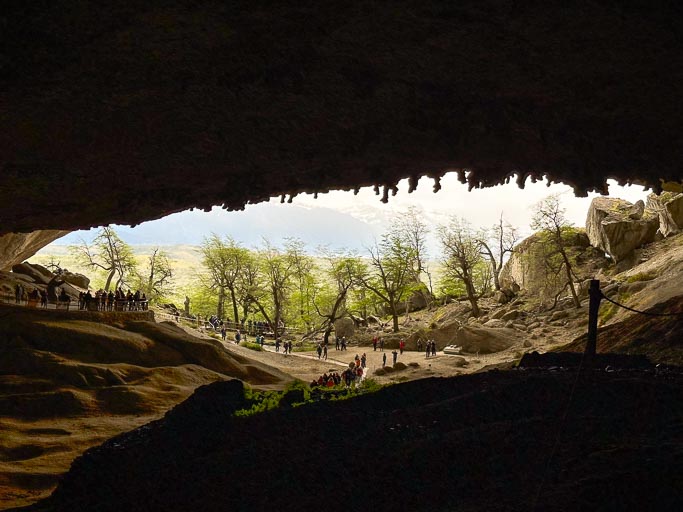
Eine der bekanntesten Sehenswürdigkeiten in der Nähe von Puerto Natales ist die Milodón-Höhle (Cueva del Milodón).
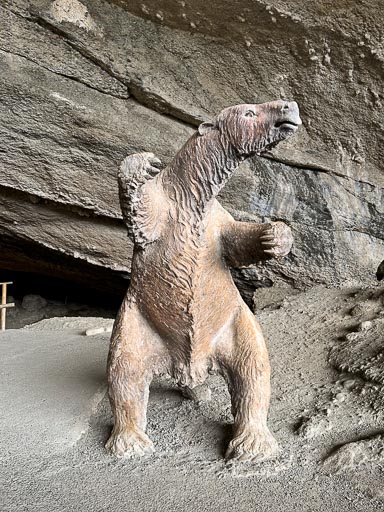
Die Cueva del Milodón ist eine große Naturhöhle etwa 25 km nördlich von Puerto Natales in Patagonien, Chile. Sie wurde 1895 vom deutschen Siedler Hermann Eberhard entdeckt und ist berühmt für die Funde von Überresten des Milodóns – eines ausgestorbenen, riesigen, pflanzenfressenden Riesenfaultiers, das vor etwa 10.000 Jahren lebte.
Die Höhle ist ca. 30 m hoch, 80 m breit und 200 m tief und liegt im Naturdenkmal Cueva del Milodón. Neben den Tierfossilien wurden auch Spuren früher menschlicher Besiedlung gefunden, vermutlich von den Aónikenk, einem indigenen Volk Patagoniens.
Puerto Natales – gateway to Torres del Paine National Park
Puerto Natales is a small town in southern Chile with about 20,000 inhabitants (as of 2024) and is located in the Magallanes and Chilean Antarctic Region.
It is situated directly on the Última Esperanza Fjord (“Fjord of Last Hope”) and serves as the gateway to Torres del Paine National Park, one of South America's most famous natural parks.
One of the most notable attractions near Puerto Natales is the Milodón Cave (Cueva del Milodón).
The Cueva del Milodón is a large natural cave about 25 km north of Puerto Natales in Patagonia, Chile. It was discovered in 1895 by German settler Hermann Eberhard and is famous for the remains of the Milodón – an extinct, giant, herbivorous ground sloth that lived around 10,000 years ago.
The cave is approximately 30 m high, 80 m wide, and 200 m deep, located within the Cueva del Milodón Natural Monument. In addition to animal fossils, traces of early human settlement were found, likely by the Aónikenk, an indigenous people of Patagonia.