Bhaktapur
Bhaktapur
Bhaktapur – Stadt der Frommen
Bhaktapur (Nepali: भक्तपुर – „Stadt der Frommen“), auch Khwopa (Newari: ख्वप – Khvapa), ist neben Kathmandu und Lalitpur mit über 81.000 Einwohnern die dritte und kleinste der Königsstädte des Kathmandutals in Nepal.
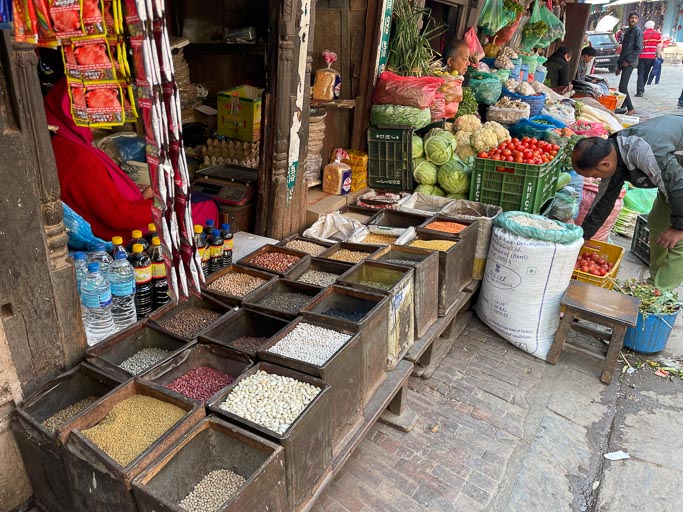
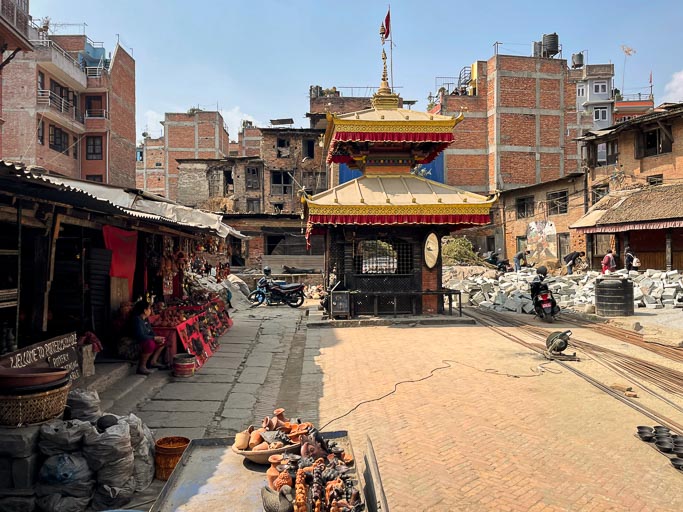
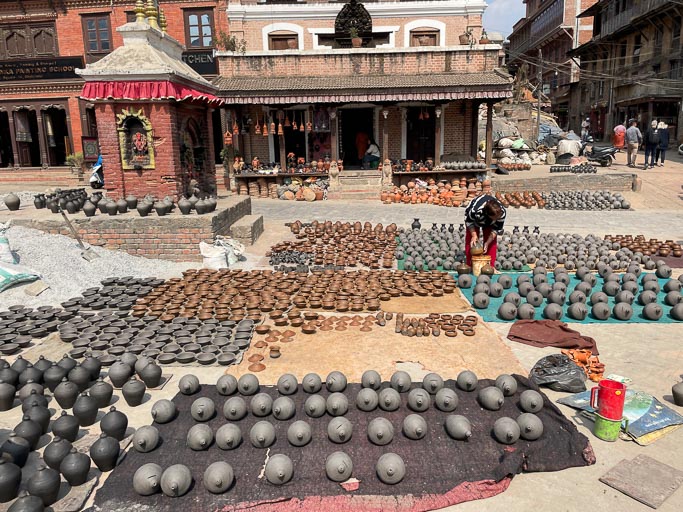
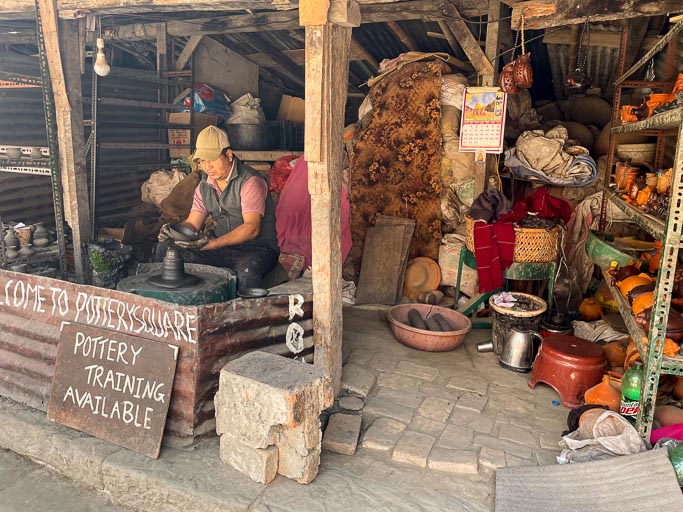
Die Stadt liegt am Fluss Hanumante Khola und befand sich an einer alten Handelsroute nach Tibet, was maßgeblich zu ihrem historischen Reichtum beitrug. Landwirtschaft, Töpferkunst und eine lebendige traditionelle Musikszene prägen bis heute das Stadtbild. Mit über 150 Musik- und rund 100 Kulturgruppen gilt Bhaktapur als Hauptstadt der darstellenden Künste Nepals.
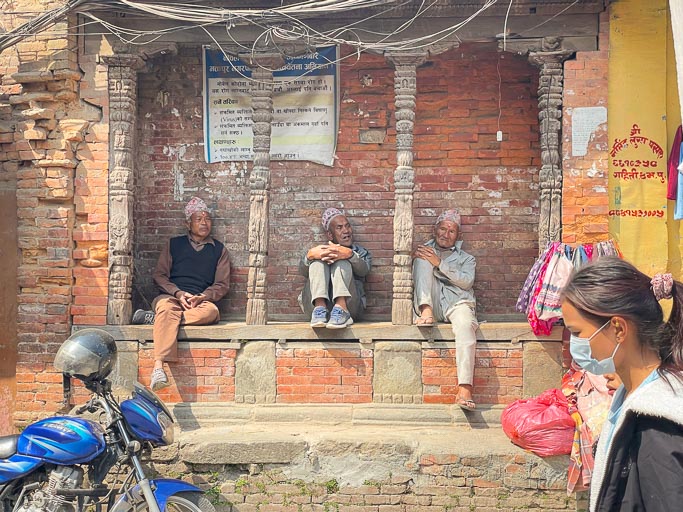
Die Bevölkerung gehört überwiegend zur Volksgruppe der Newar. Etwa 60 Prozent sind Bauern der Jyapu-Kaste. Rund 90 Prozent der Einwohner sind Hindus, etwa zehn Prozent Buddhisten.
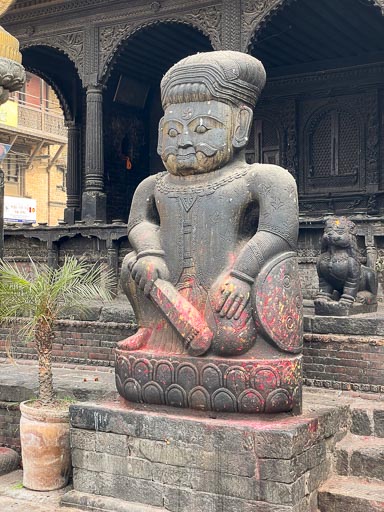
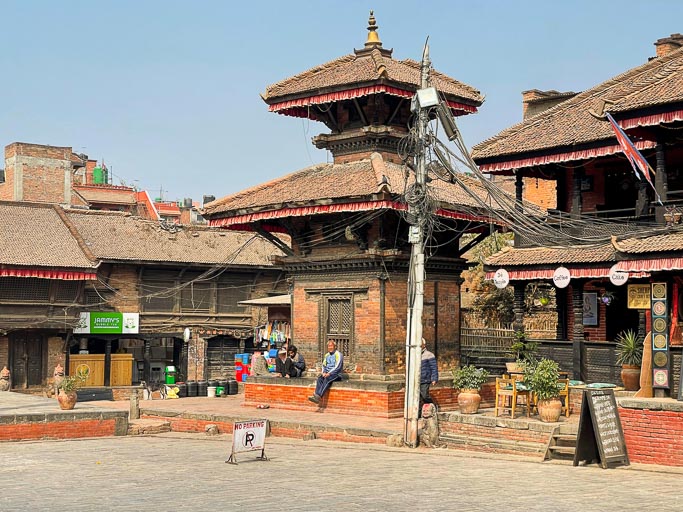
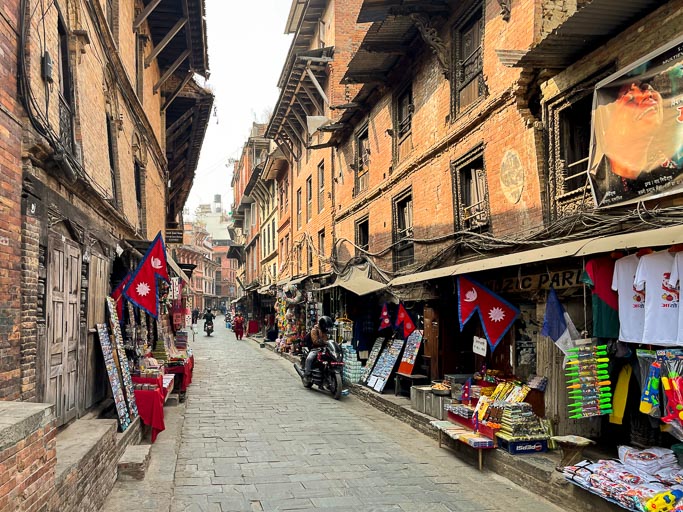
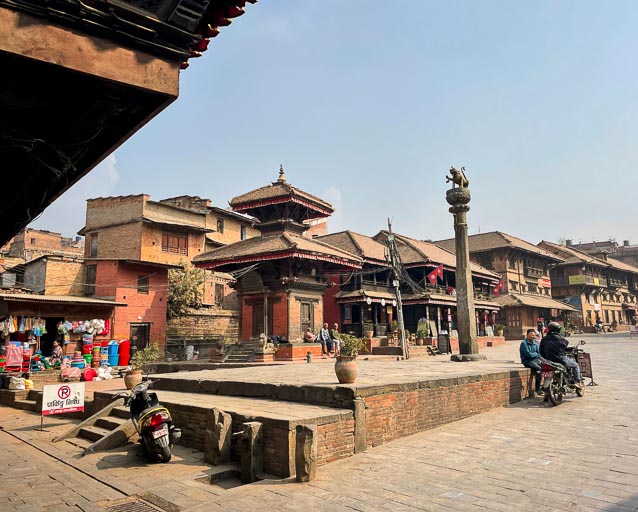
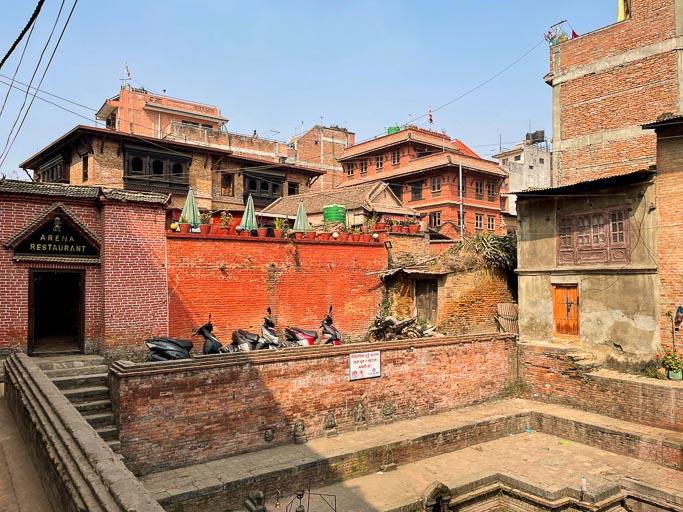
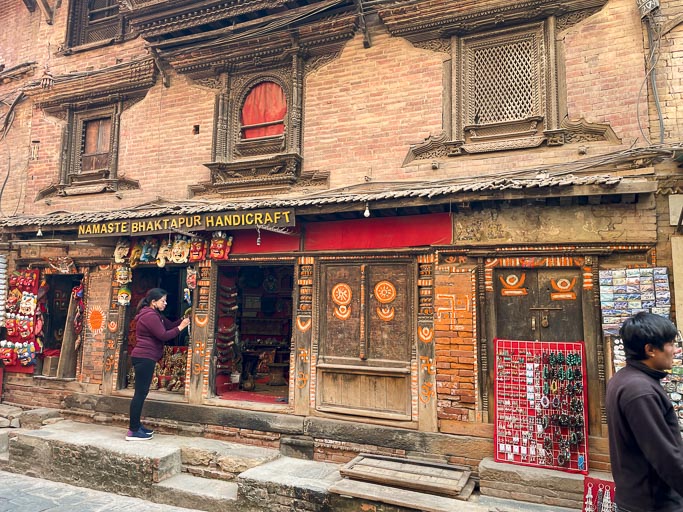
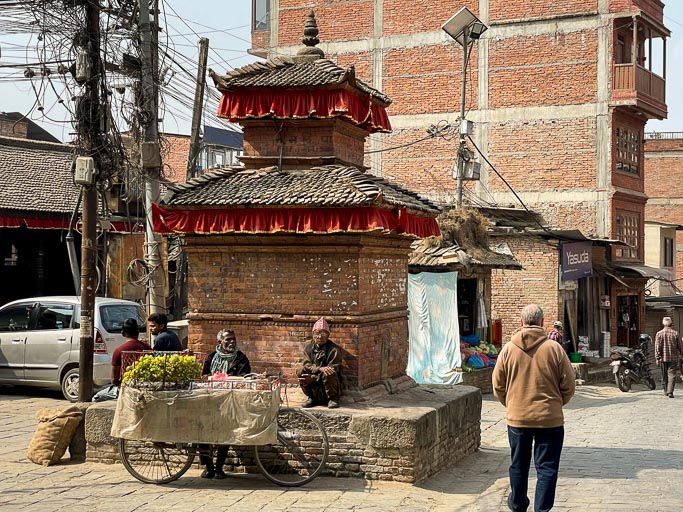
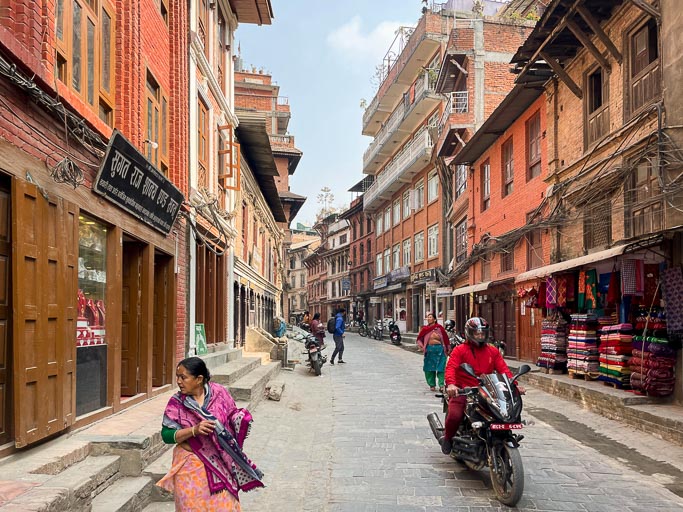
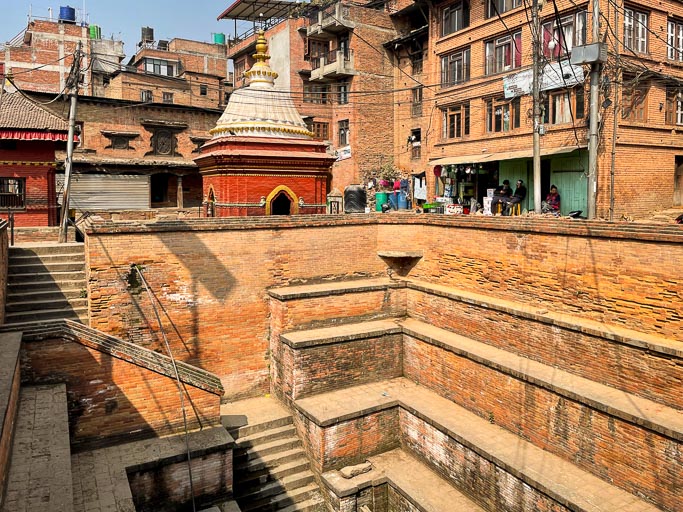
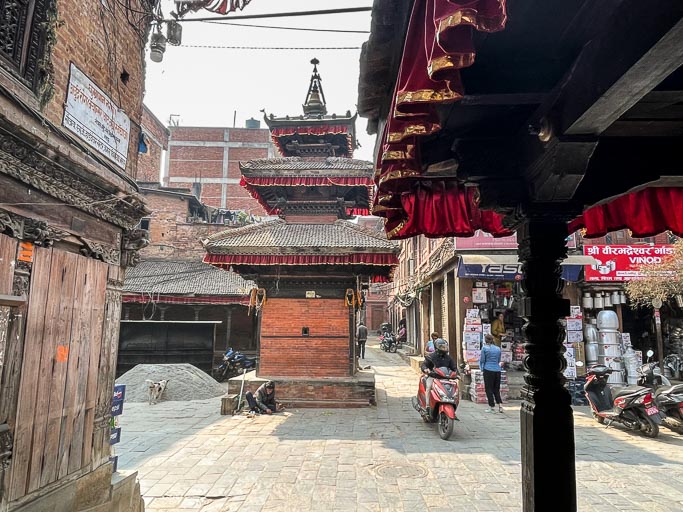
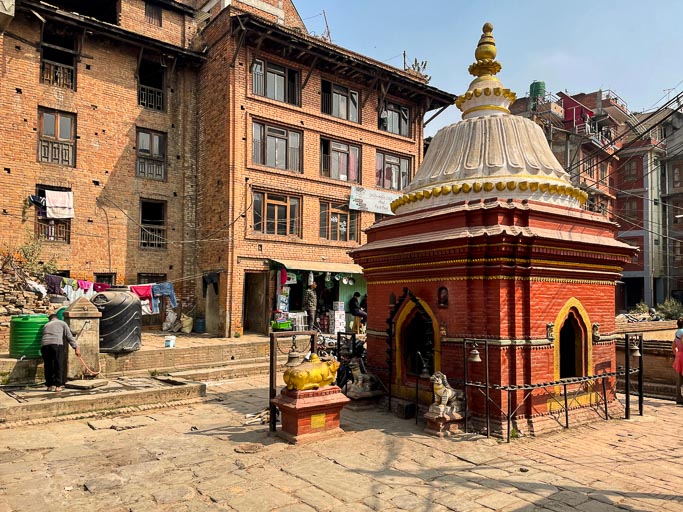
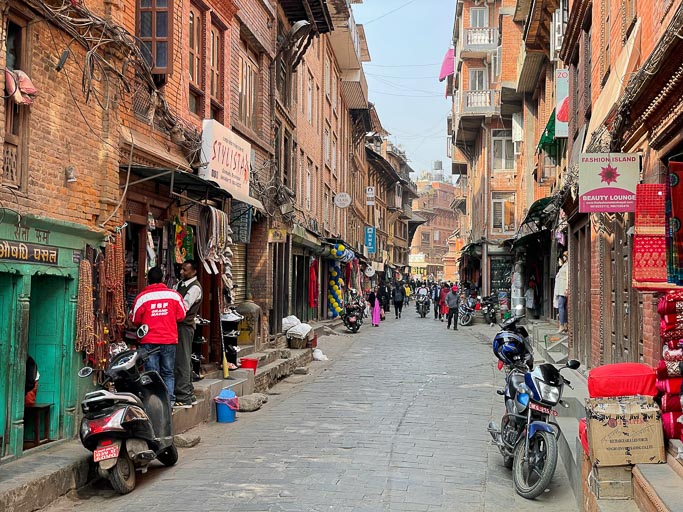
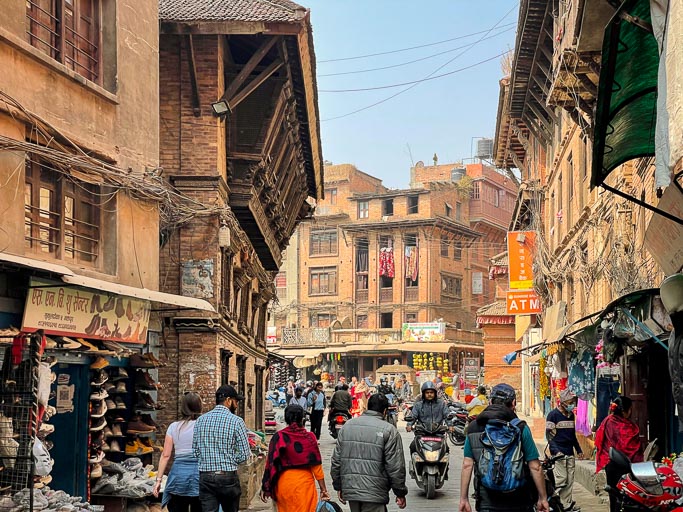
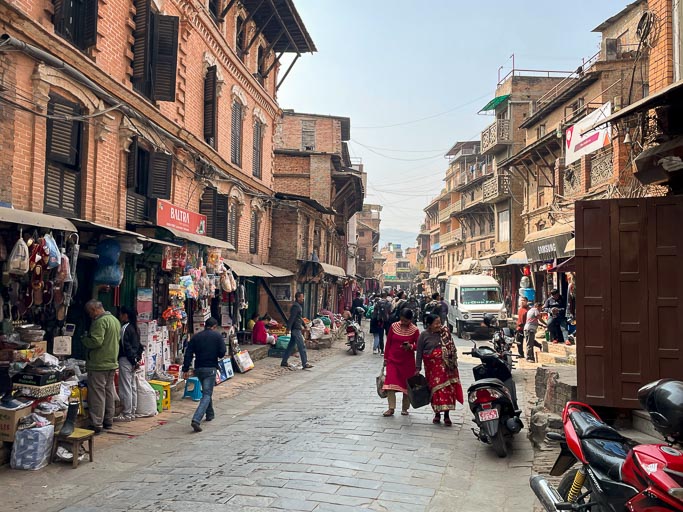
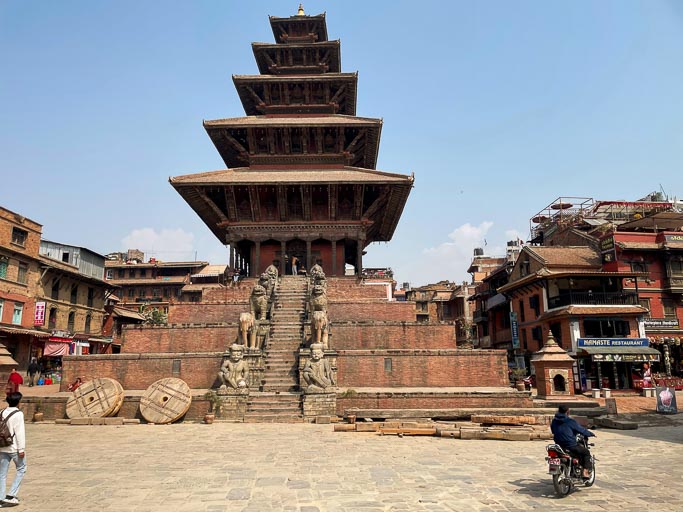
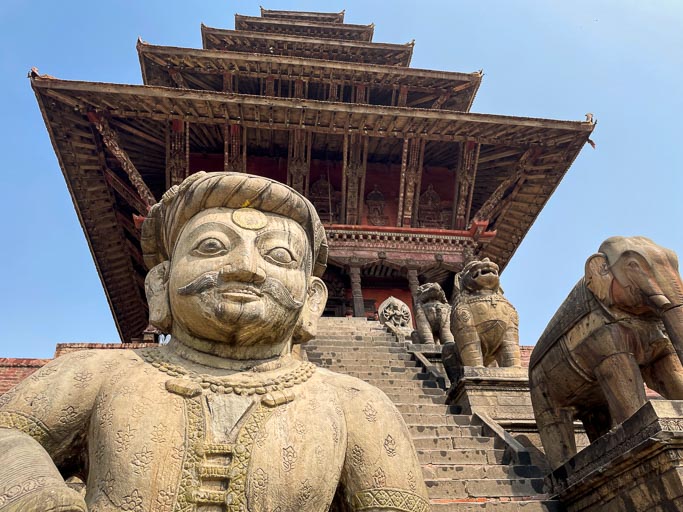
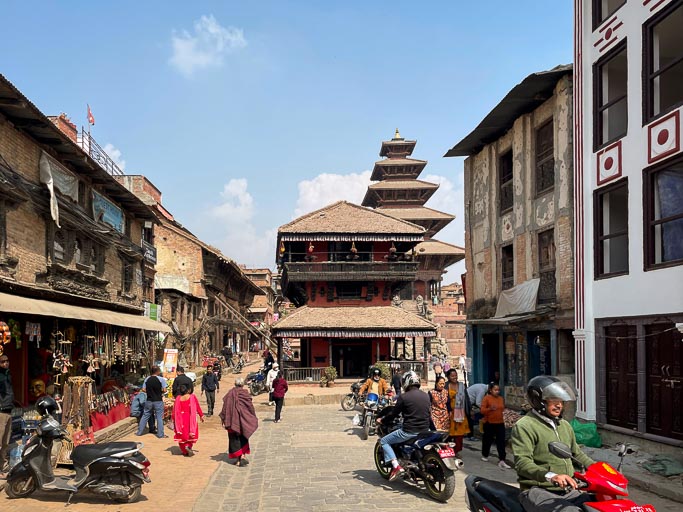
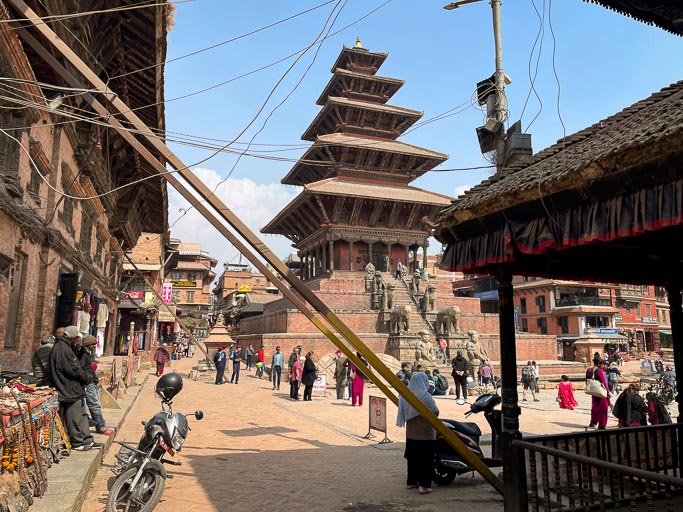
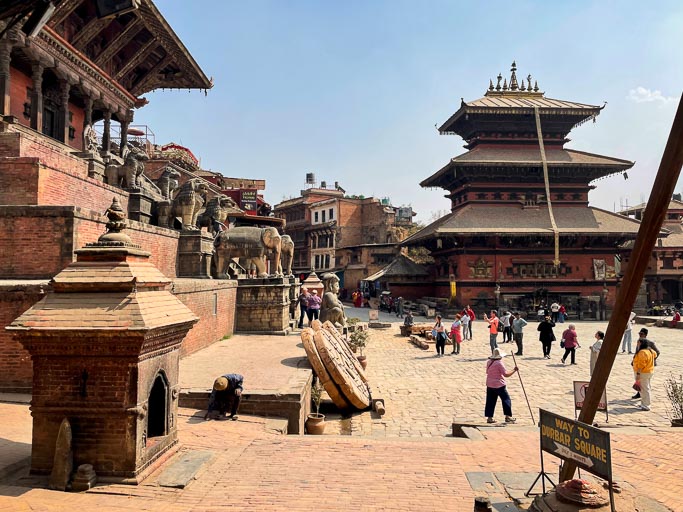
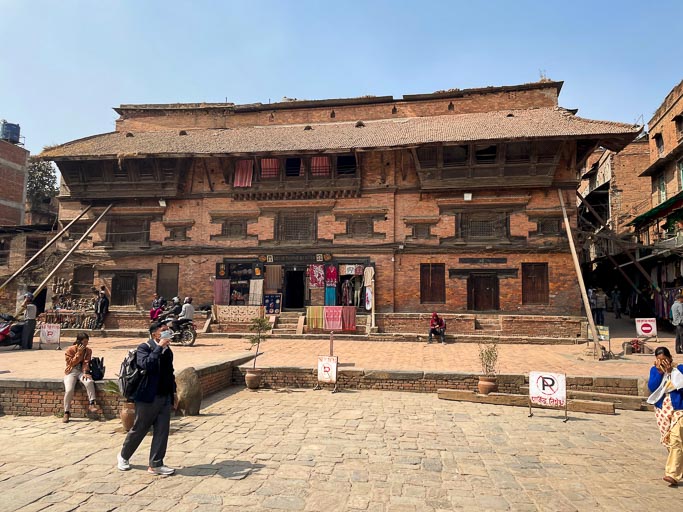
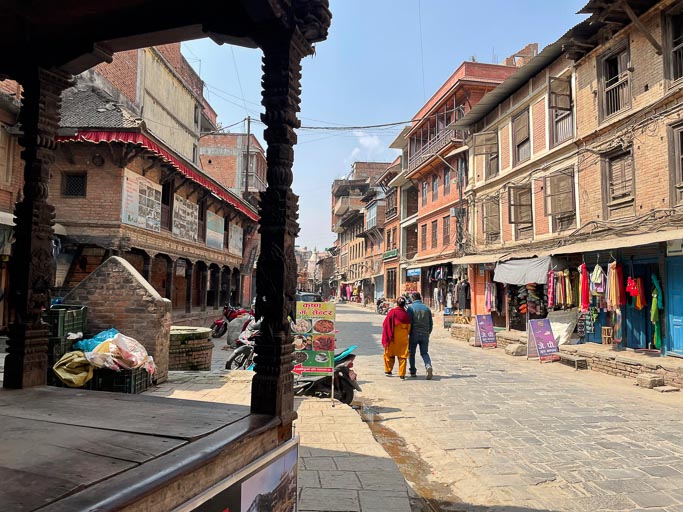
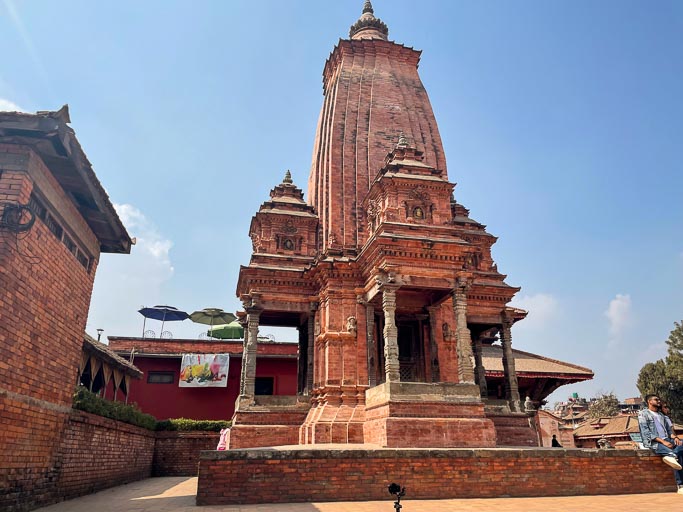
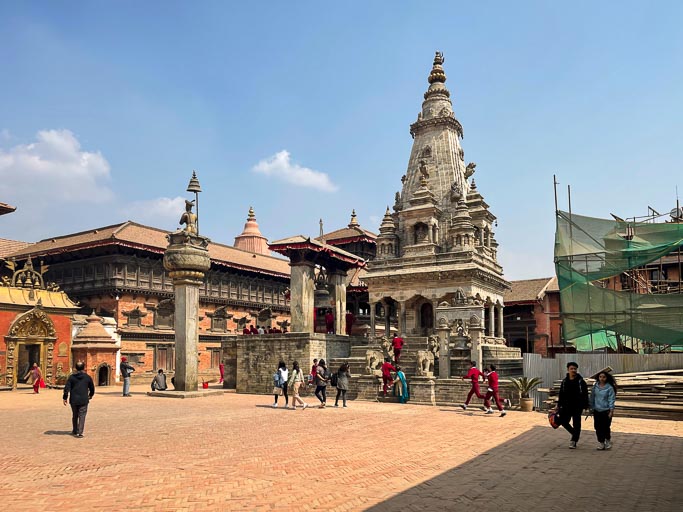
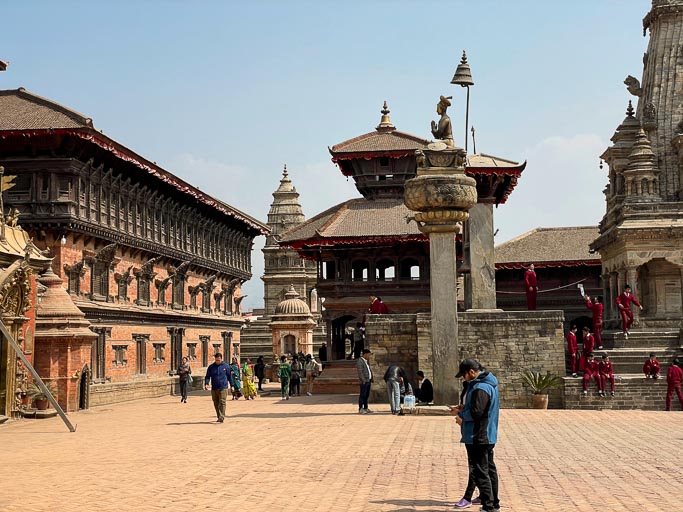
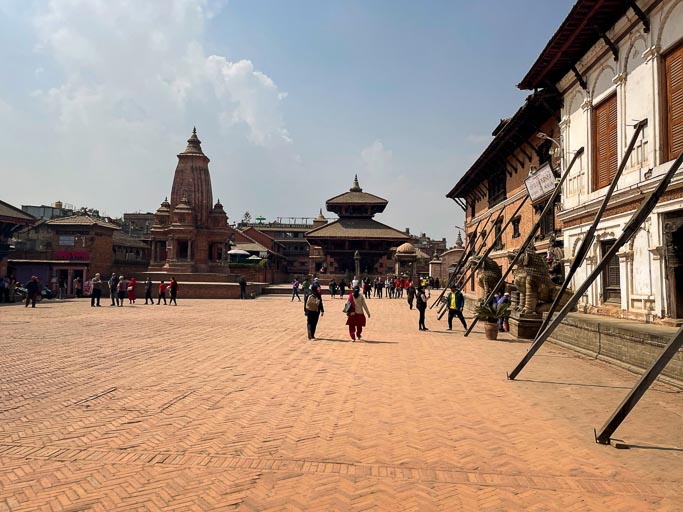
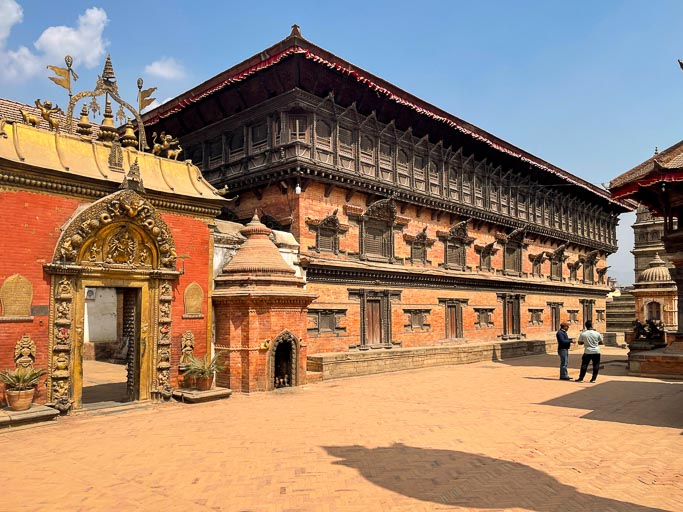
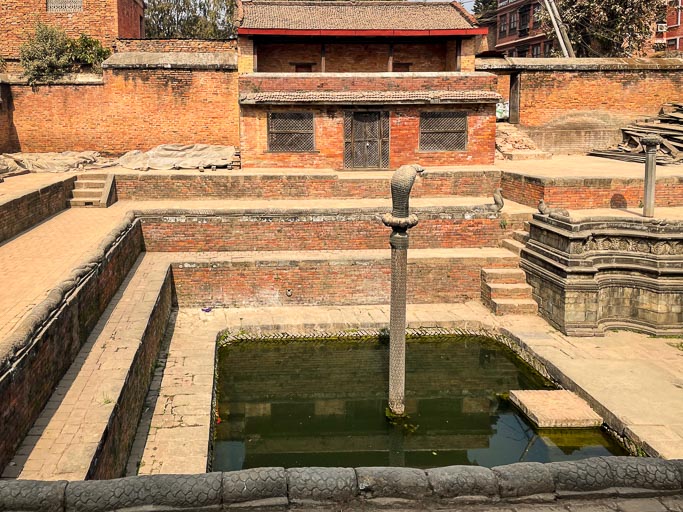
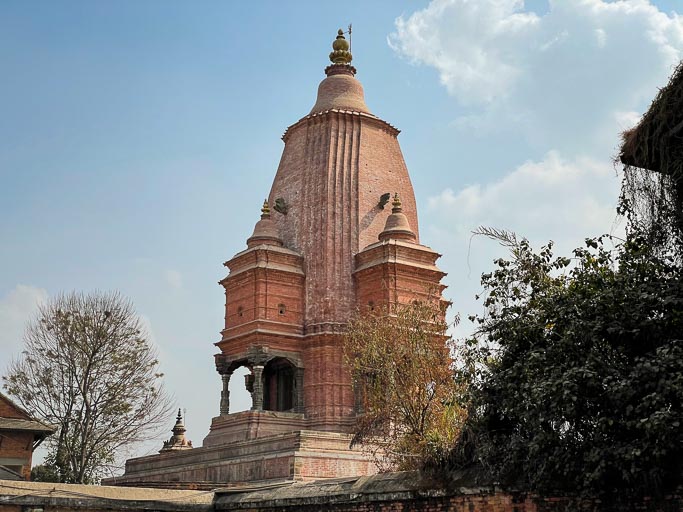
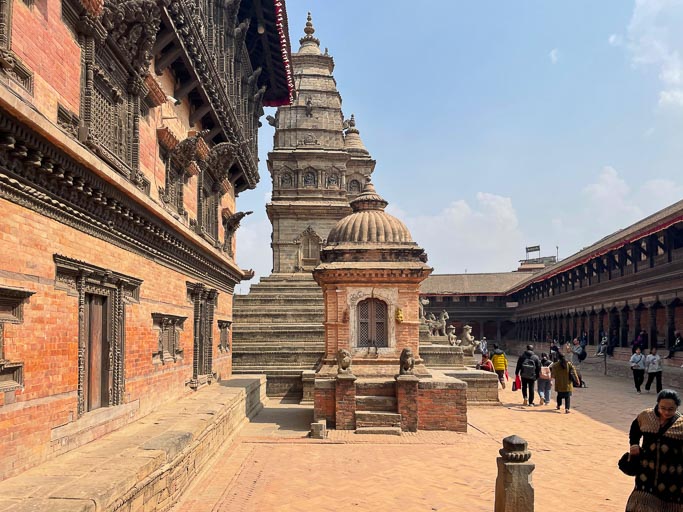
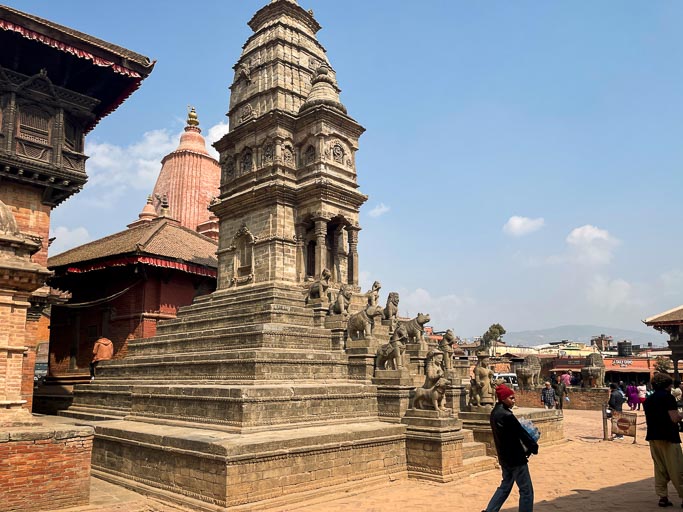
Vom 14. Jahrhundert bis in die zweite Hälfte des 18. Jahrhunderts war Bhaktapur Hauptstadt des Malla-Reiches. Aus dieser Epoche stammen zahlreiche Bauwerke, darunter 172 Tempel, 32 künstliche Teiche sowie kunstvoll mit Holzreliefs verzierte Wohnhäuser.
Ein schweres Erdbeben im Jahr 1934 verursachte große Schäden, doch viele Gebäude wurden restauriert. Seit 1979 gehört Bhaktapur zum UNESCO-Weltkulturerbe. Beim Erdbeben vom 25. April 2015 kamen in der Altstadt etwa 200 Menschen ums Leben, zahlreiche historische Gebäude wurden erneut beschädigt.
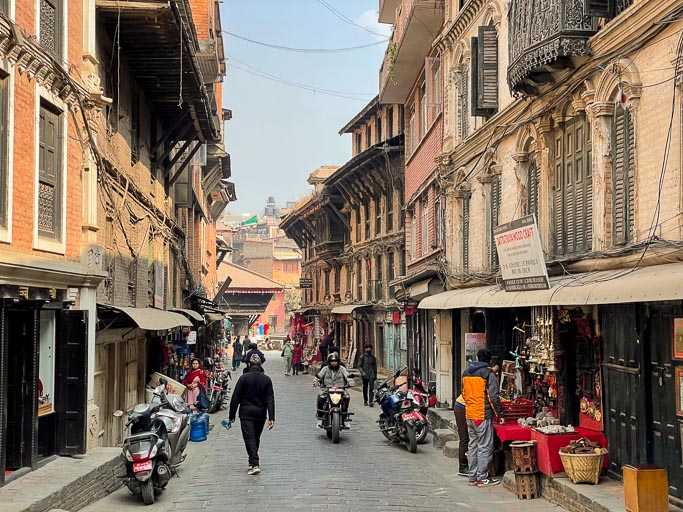
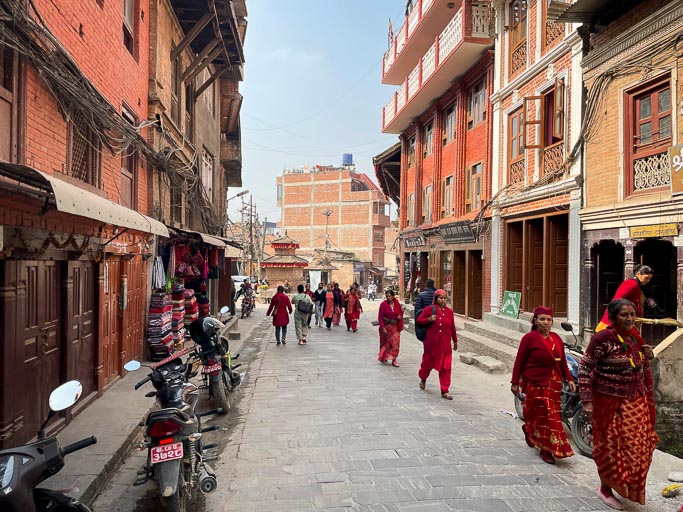
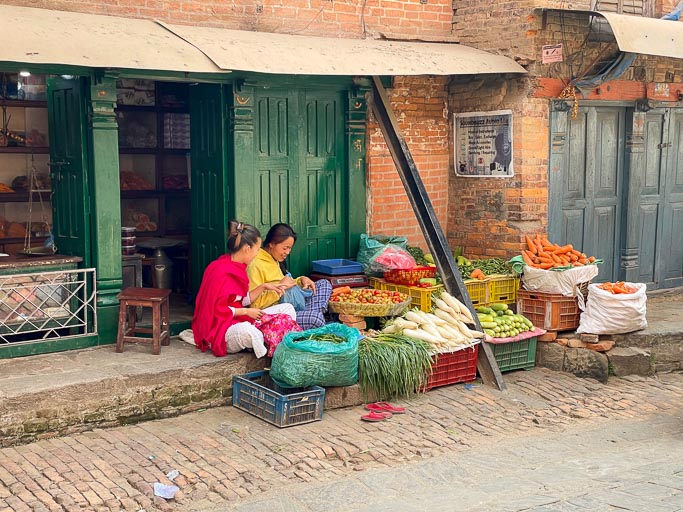
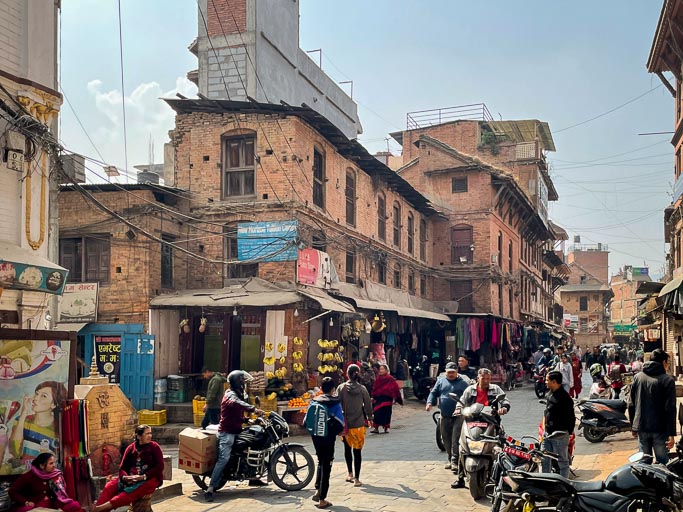
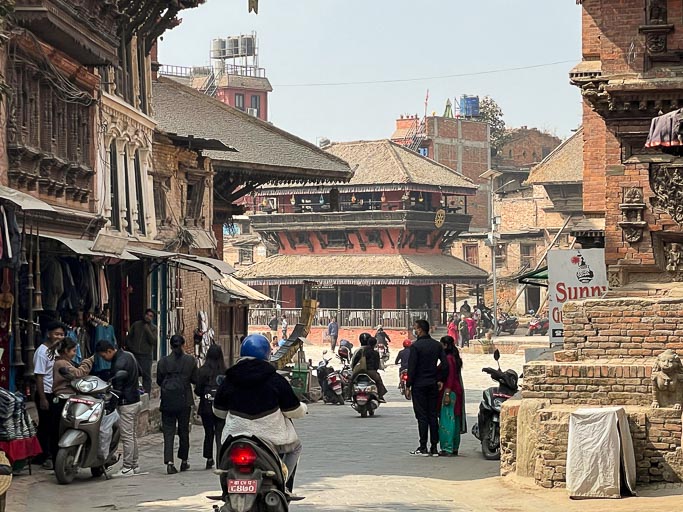
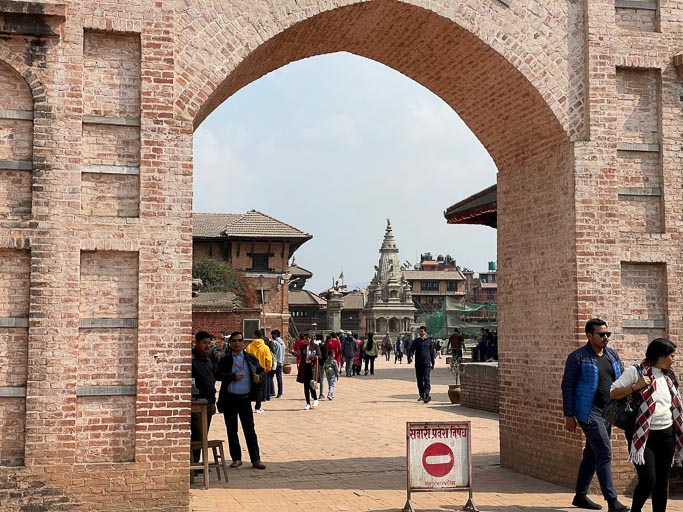
Bilder einer Reise in 2023.
Bhaktapur – City of the Devout
Bhaktapur (Nepali: भक्तपुर – “City of the Devout”), also known as Khwopa (Newari: ख्वप – Khvapa), is, alongside Kathmandu and Lalitpur, the third and smallest of the royal cities of the Kathmandu Valley, with over 81,000 inhabitants.
Located on the Hanumante Khola River, the city once lay on an important trade route to Tibet, which contributed greatly to its prosperity. Agriculture, pottery, and a vibrant traditional music scene continue to shape the character of Bhaktapur. With more than 150 music and around 100 cultural groups, it is often regarded as Nepal’s capital of performing arts.
Most residents belong to the Newar ethnic group. Around 60 percent are farmers of the Jyapu caste. Approximately 90 percent of the population are Hindus and about ten percent are Buddhists.
From the 14th century until the late 18th century, Bhaktapur was the capital of the Malla Kingdom. Many historic structures date from this period, including 172 temples, 32 artificial ponds, and elaborately carved wooden houses.
A major earthquake in 1934 caused significant damage, but many buildings were restored. Bhaktapur has been listed as a UNESCO World Heritage Site since 1979. During the earthquake of April 25, 2015, around 200 people lost their lives in the old town, and numerous historic buildings were again damaged.
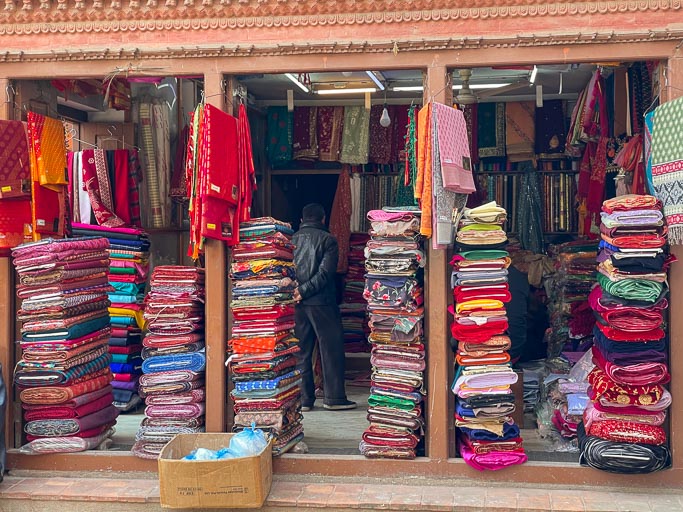
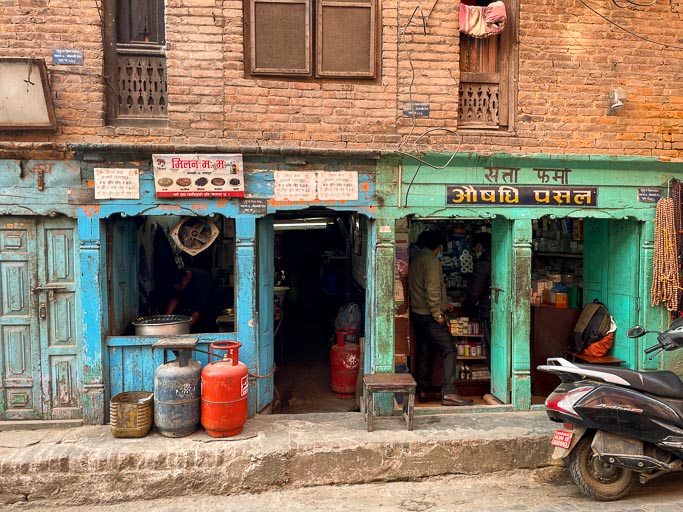
Images from a trip in 2023.