Philae Tempel
Philae Tempel
Tempel von Philae – Heiligtum der Isis
Als Tempel von Philae (auch Hut-chenti, „Haus des Anfangs“) bezeichnet man einen Tempelkomplex in Oberägypten, etwa acht Kilometer südlich von Assuan.
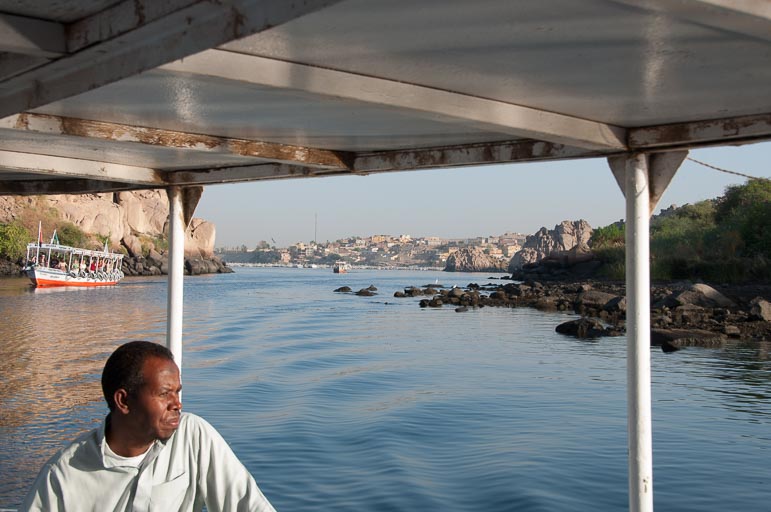
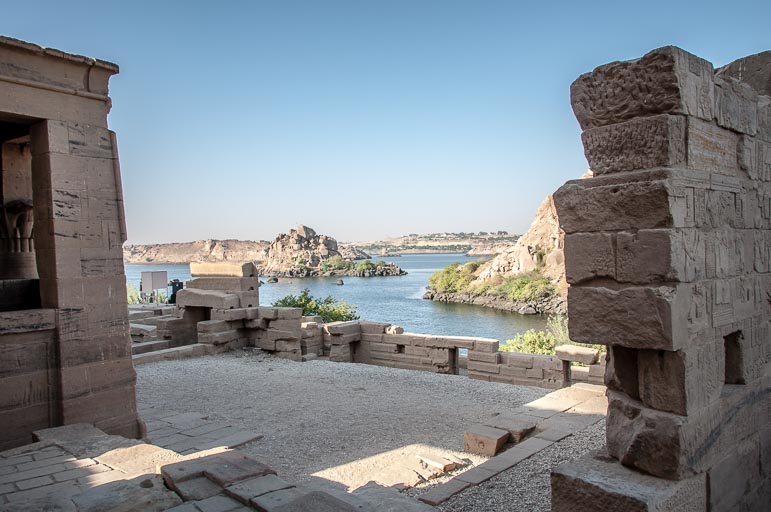
Die Tempelanlagen befinden sich heute auf der Insel Agilkia. Zwischen 1977 und 1980 wurden sie vom ursprünglichen Standort auf der Insel Philae abgetragen und etwa 600 Meter nordwestlich auf höherem Gelände wieder aufgebaut, da die alte Insel durch den Assuan-Staudamm überflutet wurde.
Das Hauptgebäude der Anlage ist der Tempel der Göttin Isis, der am Westufer etwa in der Mitte der Insel liegt.
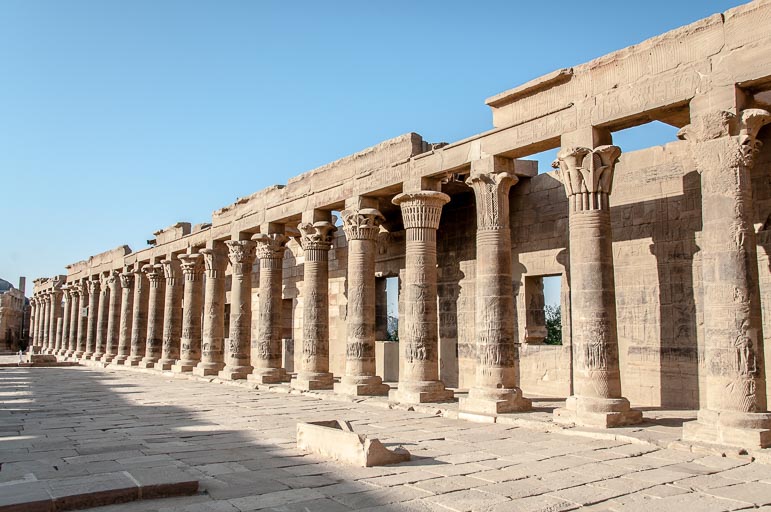
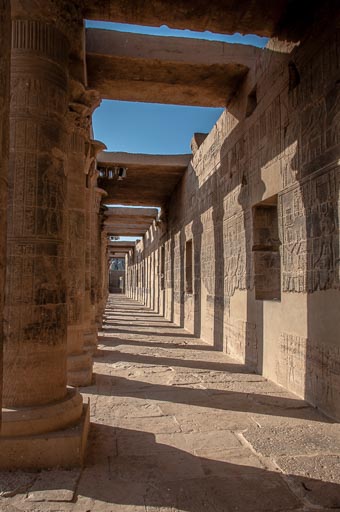
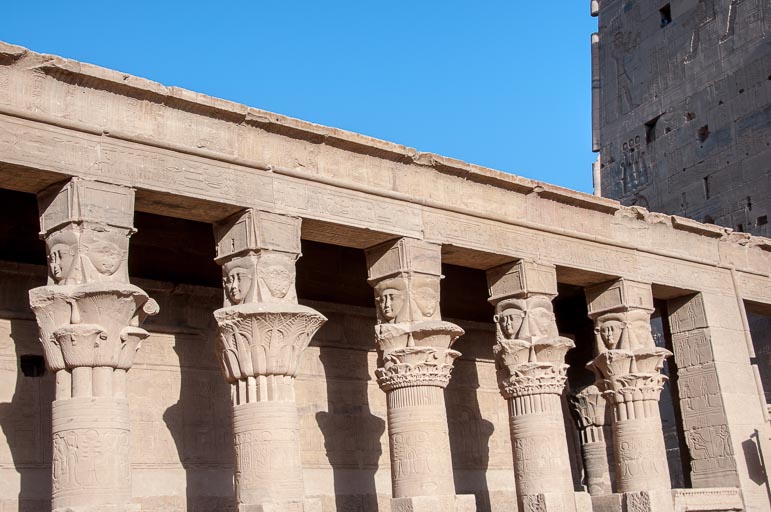
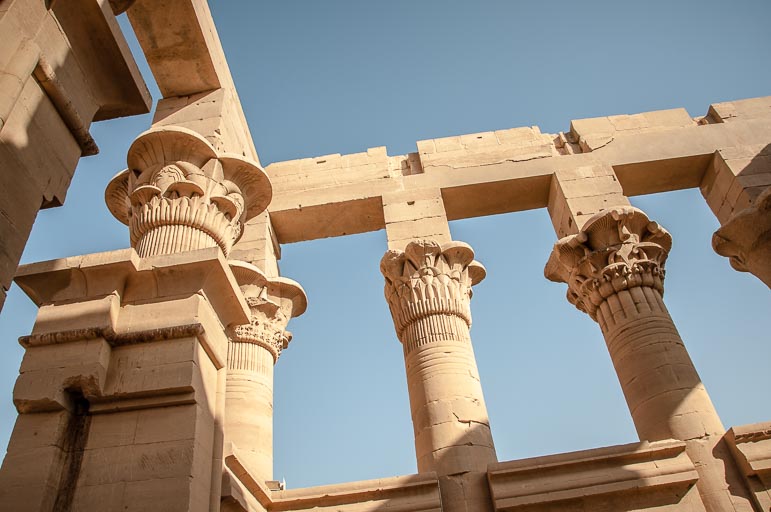
Um ihn herum befinden sich mehrere kleinere Bauwerke, darunter der Kiosk des Nektanebos I., der Trajan-Kiosk, der Tempel der Hathor, der Tempel des Harendotes, der Tempel des Imhotep, die Hadrian-Bastion sowie weitere Kapellen und Heiligtümer.
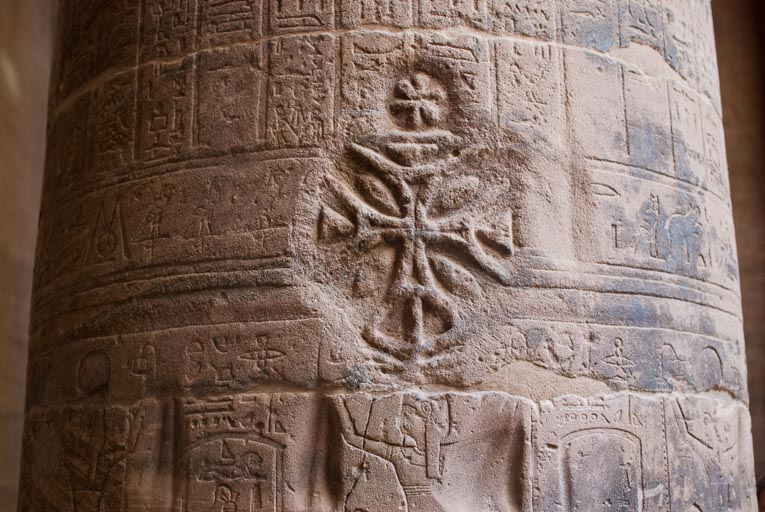
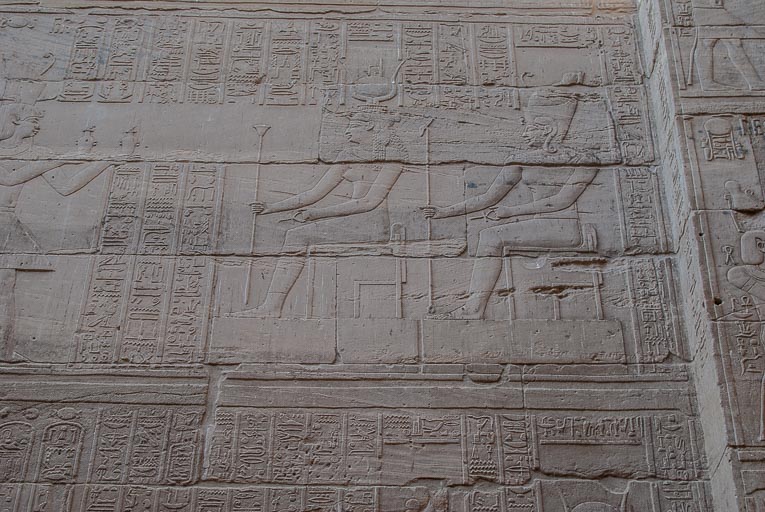
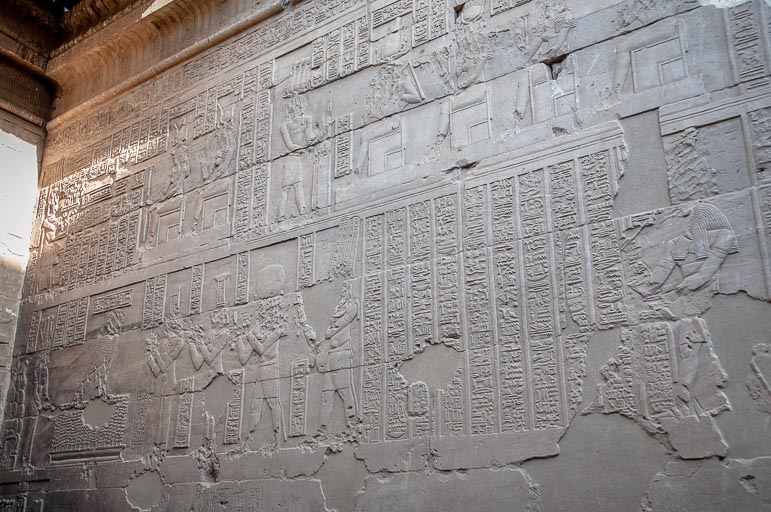
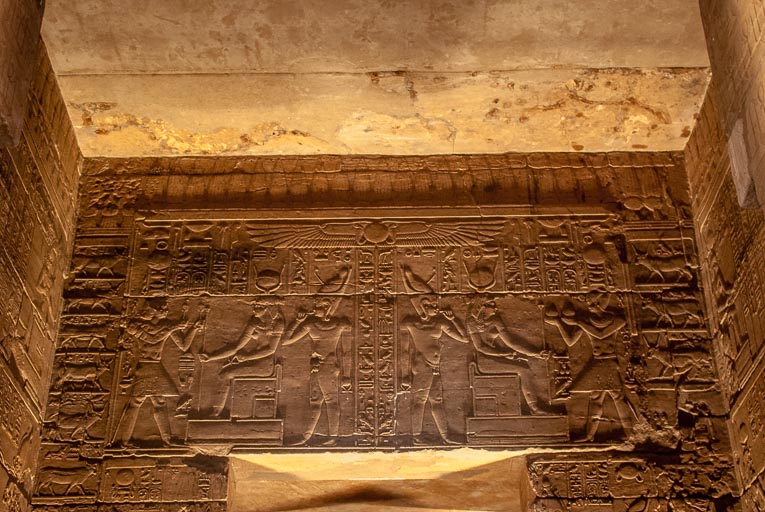
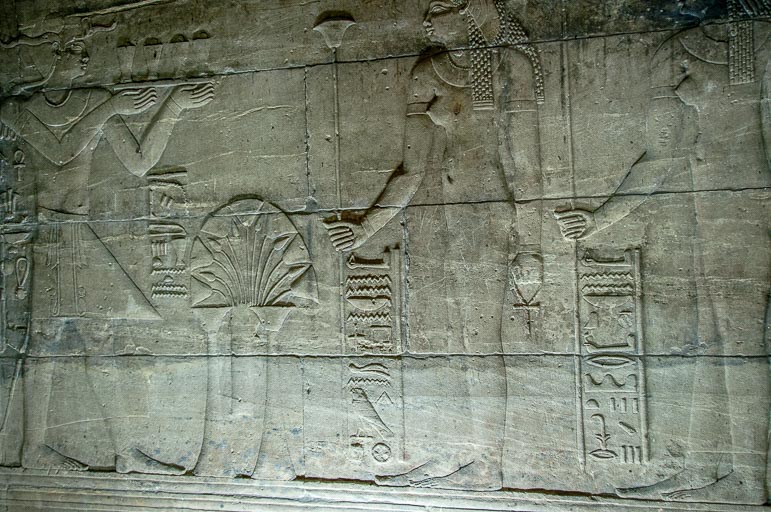
Die hieroglyphischen Reliefs der Tempelanlage werden im Rahmen des Projekts Edition der Tempelinschriften von Philae der Österreichischen Akademie der Wissenschaften wissenschaftlich bearbeitet und veröffentlicht. (Quelle: Wikipedia)
Temple of Philae – sanctuary of Isis
The Temple of Philae (also called Hut-chenti, “House of the Beginning”) is a temple complex in Upper Egypt, about eight kilometres south of Aswan.
Today the temples stand on the island of Agilkia. Between 1977 and 1980 they were dismantled from their original location on Philae Island and rebuilt about 600 metres to the northwest on higher ground, because the former site was flooded after the construction of the Aswan High Dam.
The main building of the complex is the temple dedicated to the goddess Isis, located roughly in the centre of the island’s western shore.
Around it stand several smaller structures, including the kiosk of Nectanebo I, the famous Kiosk of Trajan, the temple of Hathor, the temple of Harendotes, the temple of Imhotep, the Hadrian Bastion, and other chapels and sanctuaries.
The hieroglyphic reliefs of the complex are studied and published as part of the project Edition of the Temple Inscriptions of Philae by the Austrian Academy of Sciences in Vienna. (Source: Wikipedia)